Choosing between mobility scooter rental vs buying is one of the biggest decisions a new scooter user will face, and it’s not always obvious which path makes more financial and practical sense. Whether you need a scooter for a short recovery period, an upcoming vacation, or long-term daily independence, understanding mobility scooter rental vs buying costs, convenience factors, and long-term value can save you hundreds or even thousands of dollars. In this guide, we break down mobility scooter rental vs buying from every angle so you can make a confident, informed decision.
Why the Mobility Scooter Rental vs Buying Question Matters
Every year, thousands of people search for guidance on mobility scooter rental vs buying because their needs don’t fit a one-size-fits-all answer, and getting the mobility scooter rental vs buying decision wrong can mean overspending by hundreds of dollars. A traveler visiting Disney World for a week has very different requirements than someone recovering from hip surgery for three months, or a senior who needs a scooter every single day for the rest of their life. The mobility scooter rental vs buying decision really comes down to three factors: how long you’ll need the scooter, your budget, and how much flexibility you want in terms of scooter type and features.
Mobility Scooter Rental: Costs and Best Use Cases
Renting is often the first option people consider when they’re unsure how long they’ll need mobility assistance. Companies like Scootaround, CareLinc, and Cloud of Goods offer short-term and long-term rental programs across the United States.
Typical rental costs:
- Daily rental: $35–$75 per day depending on scooter type
- Weekly rental: $150–$250 per week
- Monthly rental: $300–$600 per month
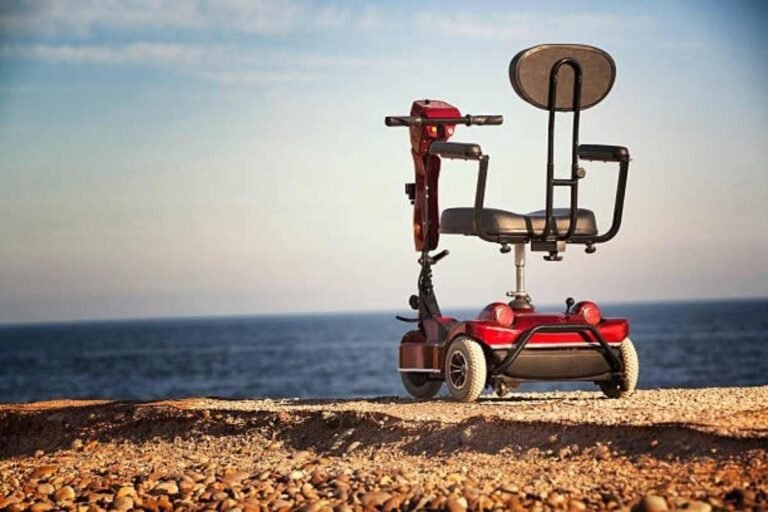
Rentals are ideal for vacations, cruises, theme park visits, post-surgery recovery, or trying out a scooter before committing to a purchase. Most rental companies deliver directly to hotels, airports, or cruise terminals, which adds a layer of convenience that buying simply can’t match for short trips.
However, when you compare mobility scooter rental vs buying over a period longer than two or three months, renting quickly becomes the more expensive option. A three-month rental at $500/month totals $1,500 — often more than the price of a brand-new mid-range scooter.
Buying a Mobility Scooter: Costs and Best Use Cases
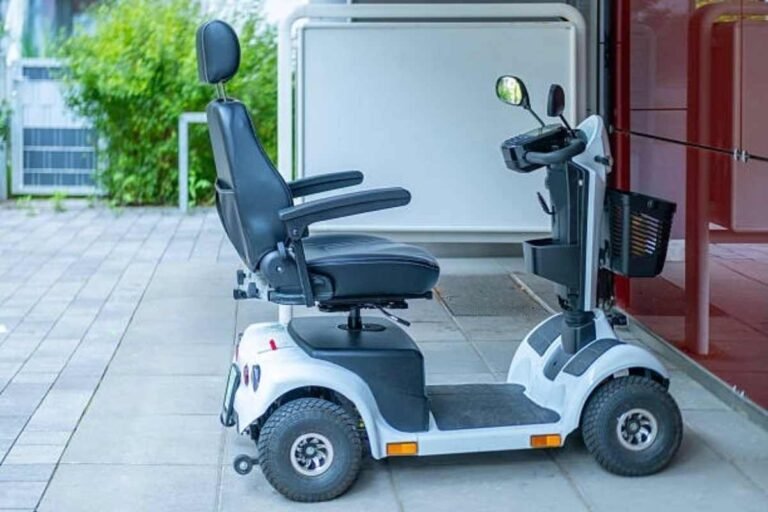
Buying makes the most sense for anyone who expects to need a scooter for six months or longer. Popular brands like Pride Mobility, Golden Technologies, Drive Medical, Shoprider, and EV Rider offer models ranging from budget-friendly to premium, heavy-duty options.
Typical purchase costs:
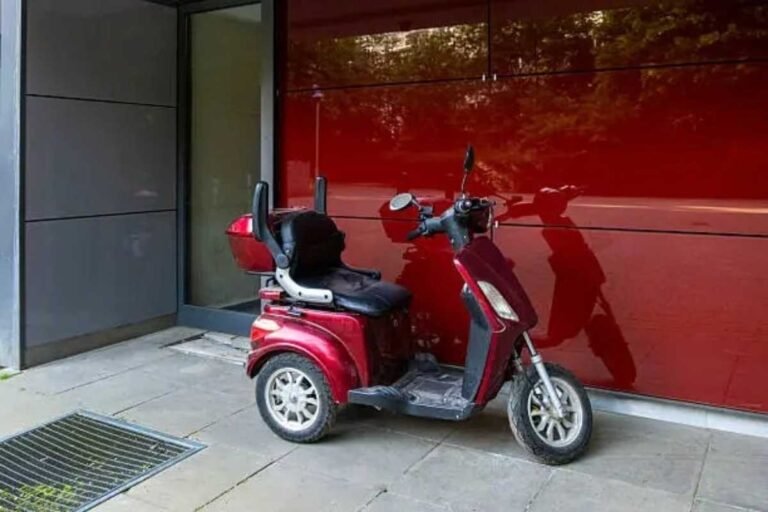
- Budget scooters (3-wheel, lightweight): $600–$1,200
- Mid-range scooters (4-wheel, better suspension): $1,200–$2,500
- Heavy-duty/bariatric scooters: $2,500–$5,000+
When you buy, you also gain full ownership, meaning no daily mileage restrictions, no return deadlines, and the freedom to customize your scooter with accessories like baskets, cup holders, or all-terrain tires. Additionally, many buyers qualify for partial reimbursement through Medicare Part B or private insurance if a doctor certifies medical necessity, which can dramatically shift the mobility scooter rental vs buying math in favor of purchasing.
Mobility Scooter Rental vs Buying: Side-by-Side Comparison
| Factor | Renting | Buying |
|---|---|---|
| Best for | Short-term (days to weeks) | Long-term (6+ months) |
| Average cost | $35–$75/day, $300–$600/month | $600–$5,000 one-time |
| Ownership | No, returned after use | Yes, full ownership |
| Customization | Limited to rental fleet | Fully customizable |
| Insurance/Medicare coverage | Rarely covered | Often partially covered |
| Maintenance responsibility | Rental company | Owner |
| Popular providers/brands | Scootaround, CareLinc, Cloud of Goods | Pride Mobility, Golden Technologies, Drive Medical, Shoprider, EV Rider |
| Delivery/setup | Often included | Delivery fees may apply |
| Best example use case | Cruise, vacation, short recovery | Daily use, chronic mobility needs |
This table makes the mobility scooter rental vs buying comparison easier to visualize, but the right choice still depends heavily on your personal timeline and budget.
Key Factors to Consider When Deciding
1. Duration of Need
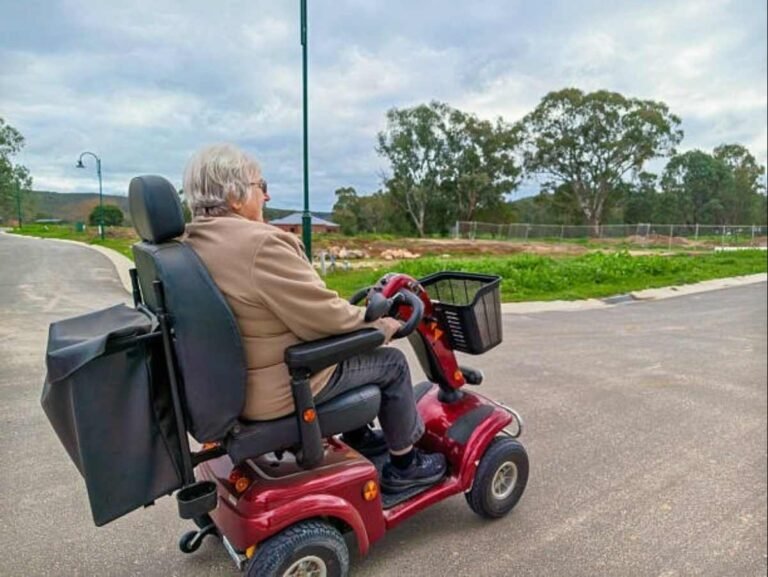
If you only need a scooter for a wedding weekend, a week-long cruise, or a two-week recovery after minor surgery, renting wins almost every time. If you’re managing a chronic condition like arthritis, COPD, or long-term post-stroke mobility limitations, buying is almost always the smarter long-term investment when you weigh mobility scooter rental vs buying costs over a full year.
2. Upfront Budget
Renting requires a smaller upfront payment, which appeals to people on a tight monthly budget. Buying requires a larger initial investment but eliminates recurring rental fees, so the mobility scooter rental vs buying break-even point typically falls between two and four months of continuous use.
3. Medicare and Insurance Coverage
Medicare Part B may cover up to 80% of the cost of a mobility scooter if you meet strict medical necessity requirements, including a face-to-face doctor’s visit and proper documentation. This coverage generally applies only to purchases, not rentals, which is a major consideration in the mobility scooter rental vs buying decision for seniors on a fixed income.
4. Trial Period Before Committing
Many first-time users choose to rent for two to four weeks before buying, essentially using the rental period as a real-world test drive. This hybrid approach to mobility scooter rental vs buying lets you experience different scooter types — 3-wheel vs 4-wheel, folding vs non-folding — before locking in a purchase.
5. Maintenance and Long-Term Costs
Owned scooters require battery replacements every 12–18 months (typically $80–$150), occasional tire replacements, and general upkeep. Rental companies usually handle all maintenance, which simplifies the mobility scooter rental vs buying equation for anyone who doesn’t want ongoing responsibility.
Real-World Cost Breakdown Example
Let’s say you need a scooter for four months during recovery from knee replacement surgery:
- Renting: $450/month × 4 months = $1,800
- Buying: Mid-range Pride Mobility Go-Go Elite Traveller = approximately $1,000, resold afterward for $400–$500
In this scenario, buying and reselling afterward saves nearly $1,200 compared to renting, which is exactly the kind of math that should guide your mobility scooter rental vs buying decision.
Who Should Rent vs Who Should Buy: A Quick Decision Framework
If you’re still torn on mobility scooter rental vs buying after reading through the cost comparisons, it helps to picture your specific situation against a few common profiles.
You should probably rent if:
- You need a scooter for less than 8 weeks
- You’re traveling and only need mobility support for the trip
- You’re testing whether a scooter fits your lifestyle before committing
- You don’t want to deal with maintenance, storage, or resale later
You should probably buy if:
- You have a permanent or long-term mobility condition
- You expect to use the scooter regularly for 6 months or more
- You qualify for Medicare or insurance reimbursement
- You want a scooter customized to your exact needs, from seat width to tire type
Thinking through the mobility scooter rental vs buying question in terms of these profiles, rather than just sticker price, tends to lead to a decision you won’t regret six months down the road.
Hidden Costs People Forget to Factor In
When people run the numbers on mobility scooter rental vs buying, they often forget a few hidden costs that can shift the decision. Rentals sometimes carry delivery fees, damage waivers, or late-return penalties that aren’t obvious until checkout. Purchases carry their own hidden costs too, including shipping, assembly, and eventual disposal or resale hassle if your needs change. Factoring in these smaller costs gives you a much more accurate picture of the true mobility scooter rental vs buying comparison, rather than relying on the advertised sticker price alone.
Frequently Asked Questions
Is it cheaper to rent or buy a mobility scooter?
For usage under two months, renting is typically cheaper. For usage beyond three months, buying almost always wins the mobility scooter rental vs buying cost comparison.
Does Medicare cover mobility scooter rentals?
Medicare rarely covers short-term rentals. It primarily covers purchases that meet medical necessity criteria, which tilts the mobility scooter rental vs buying decision toward buying for Medicare-eligible seniors.
Can I rent a mobility scooter for a one-time event like a wedding or theme park visit?
Yes, companies like Scootaround specialize in short-term, event-based, and travel rentals delivered directly to your destination.
What happens if a rented scooter breaks down?
Reputable rental companies provide 24/7 support and will swap out a malfunctioning unit, whereas owned scooters require the owner to arrange repairs or warranty service.
Final Verdict: Mobility Scooter Rental vs Buying
There’s no universal winner in the mobility scooter rental vs buying debate — it genuinely depends on your timeline, budget, and health outlook. Short-term needs under two to three months almost always favor renting, while anything longer strongly favors buying, especially when Medicare or insurance reimbursement is on the table. Take a moment to honestly assess how long you’ll need mobility support, and let that timeline — not just the upfront price tag — guide your final mobility scooter rental vs buying decision. Whichever way you lean, revisiting the mobility scooter rental vs buying comparison periodically as your health or travel plans change is always a smart habit.