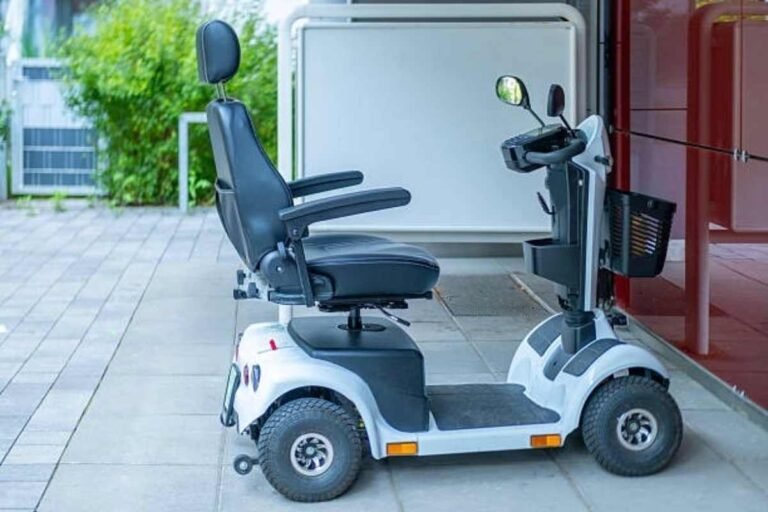
Finding a bariatric mobility scooters that actually holds up under real weight is harder than it should be. Most “standard” scooters top out around 300 lbs, which leaves a lot of riders stuck comparing spec sheets that don’t apply to them. This guide only covers bariatric mobility scooters built for 400 lbs and up, so every option below is one you can actually consider. After digging through manufacturer specs, weight-capacity ratings, and real owner feedback across six of the most talked-about bariatric mobility scooters on the market, here’s what actually holds up for bigger riders — and where each one falls short.
Quick Comparison Table
| Scooter | Best For | Weight Capacity | Range | Top Speed |
|---|---|---|---|---|
| Merits Health Silverado Extreme S941L | Longest range outdoors | 450 lbs | Up to 55 miles | 9.6 mph |
| AFIKIM Afiscooter S4 | All-terrain power | 500 lbs | 36-38 miles | 9.3 mph |
| Pride Mobility Maxima 4-Wheel | Reclining comfort seat | 500 lbs | ~19.5 miles | 5.8 mph |
| Golden Technologies Companion HD | Best value at 500 lbs | 500 lbs | 16 miles | 6 mph |
| Pride Victory 10 4-Wheel | Lighter, everyday use | 400 lbs | Moderate | 5.3 mph |
| E-Wheels EW-66 | Highest capacity, 2-rider | 600 lbs | Moderate | Varies |
Merits Health Silverado Extreme S941L
The Silverado Extreme is built for riders who want to go far, not just fast. It pairs a 450 lb weight capacity with 100AH batteries, which is where that class-leading range comes from.
- 55-mile range on a single charge
- Full suspension with shock absorbers for rough terrain
- 16-inch rear wheels, 5-inch ground clearance, 10-degree incline rating
- High-back captain’s seat with adjustable headrest and armrests
- Tiller-mounted LCD dashboard with battery and maintenance alerts
Best For: Riders who regularly travel long distances outdoors and don’t want to think about charging mid-trip.
Watch Out For: At 450 lbs, it caps out lower than several other options on this list — if you’re near or above that limit, size up before you buy.
Pros:
- Best-in-class range for a bariatric mobility scooters
- Genuinely capable on uneven ground, not just marketed that way
- Real-time dashboard cuts down on guesswork
Cons:
- Lower weight ceiling than the S4 or EW-66
- Larger footprint means it’s not the easiest to store or transport
AFIKIM Afiscooter S4
The Afiscooter S4 is the scooter people mention when the conversation turns to “which one can actually handle a rough backyard or gravel driveway.” A 1400-watt motor and 500 lb capacity give it real muscle.
- 500 lb weight capacity
- 1400-watt motor for steep inclines (11.3-degree rating)
- 5-inch ground clearance
- 36-38 mile range per charge
- Energy-saving LED headlights that dim automatically when parked
Best For: Bariatric riders who need to cross grass, gravel, or uneven yards regularly, not just paved sidewalks.
Watch Out For: The extra power and battery capacity add weight and bulk — this isn’t a scooter you’re folding into a car trunk on your own.
Pros:
- Strong incline performance for a scooter this size
- Long enough range for full-day outings
- Reputation for durability holds up in owner reports
Cons:
- Premium price point relative to entry-level bariatric models
- Assembly/disassembly for transport takes real effort
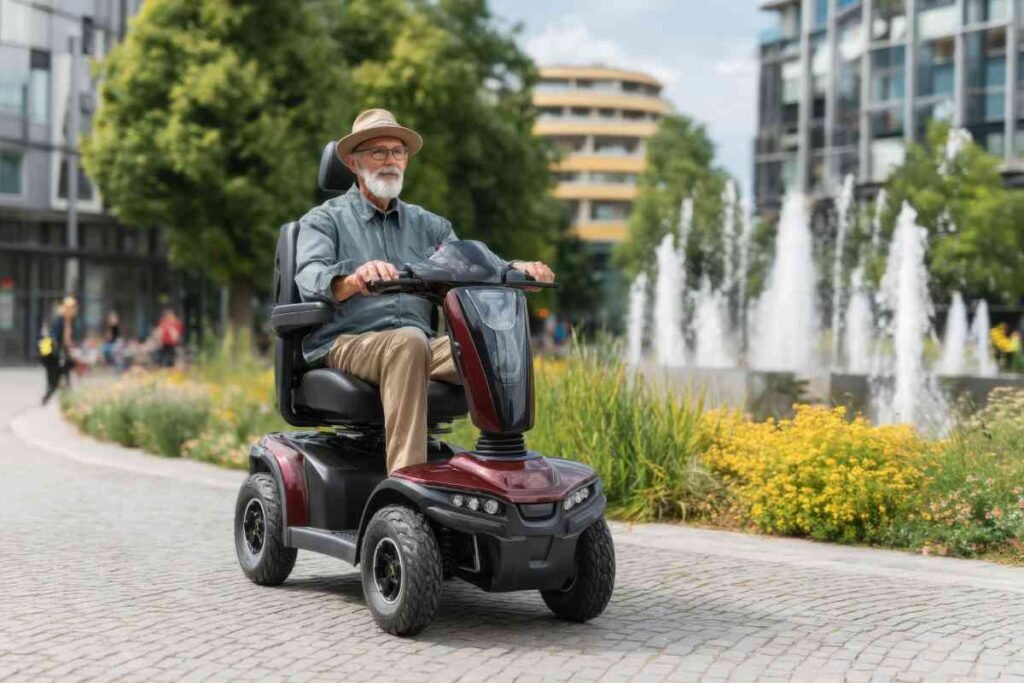
Pride Mobility Maxima 4-Wheel
The Maxima leans into comfort as much as capacity. A 22-inch-wide captain’s seat that rotates a full 360 degrees is the standout feature here, alongside a 500 lb rating.
- 500 lb weight capacity
- 22-inch captain’s seat, 360-degree rotation
- Fully adjustable armrests and tiller
- Foam-filled, flat-free tires
- Roughly 19.5-19.8 mile range, 5.8 mph top speed
Best For: Riders who prioritize seating comfort and easy in/out access over top speed or maximum range.
Watch Out For: The trade-off for that plush seat and stable frame is a shorter range than the Silverado or S4 — plan your outings around a 20-mile ceiling.
Pros:
- Comfortable seat suits longer sitting sessions
- Stable, confidence-inspiring ride at 500 lbs
- Backed by Pride’s established parts and service network
Cons:
- Slower top speed than most on this list
- Shorter range limits all-day outdoor use
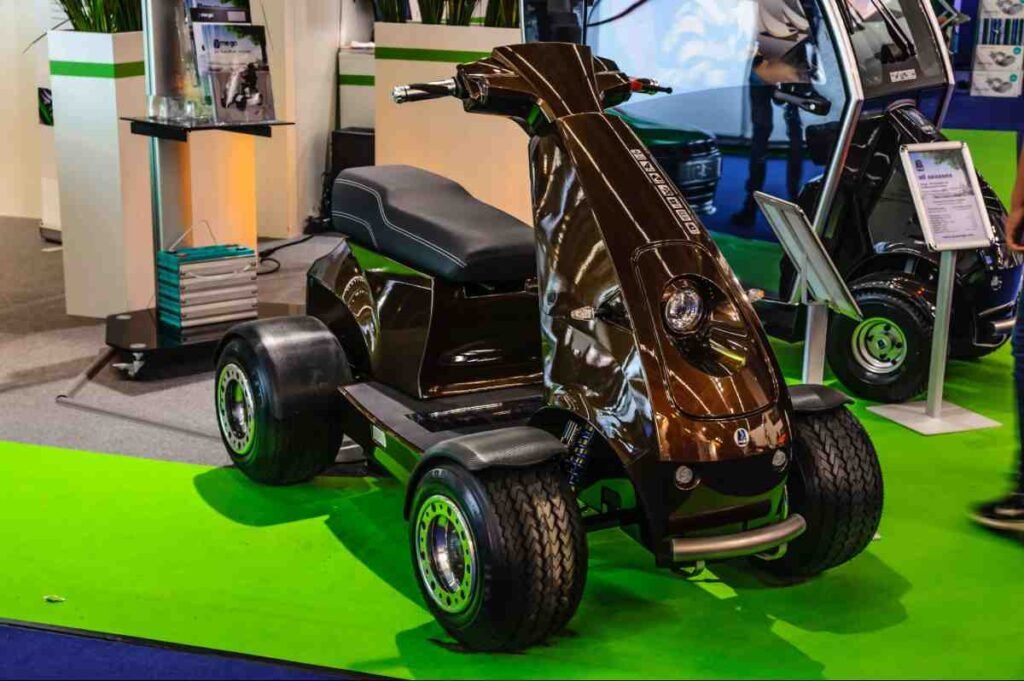
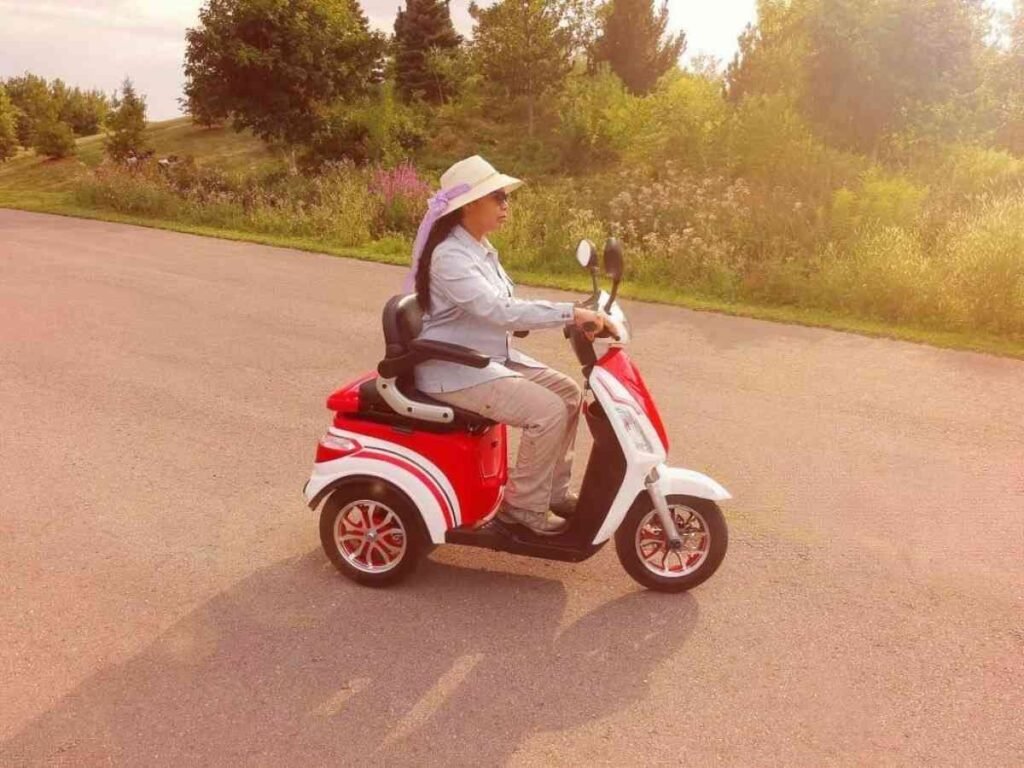
Golden Technologies Companion HD (3-Wheel)
If budget matters alongside capacity, the Companion HD is usually the one people land on. It holds the same 500 lb rating as pricier competitors at a noticeably lower cost — commonly listed around $2,999.
- 500 lb weight capacity
- Rear suspension for smoother rides on uneven pavement
- 51-inch turning radius, useful indoors and out
- 16-mile range on dual NF22 batteries
- USB charging port built into the tiller
Best For: Riders who want a genuine 500 lb-rated scooter without paying for range or features they won’t use.
Watch Out For: 16 miles is the shortest range on this list — fine for errands and neighborhood use, less ideal for full-day outdoor trips.
Pros:
- Strong value for the weight capacity offered
- Tight turning radius makes indoor use realistic
- 1-year in-home service contract included
Cons:
- Shortest range of the 500 lb-rated models here
- 3-wheel design means slightly less stability than 4-wheel options on very uneven ground
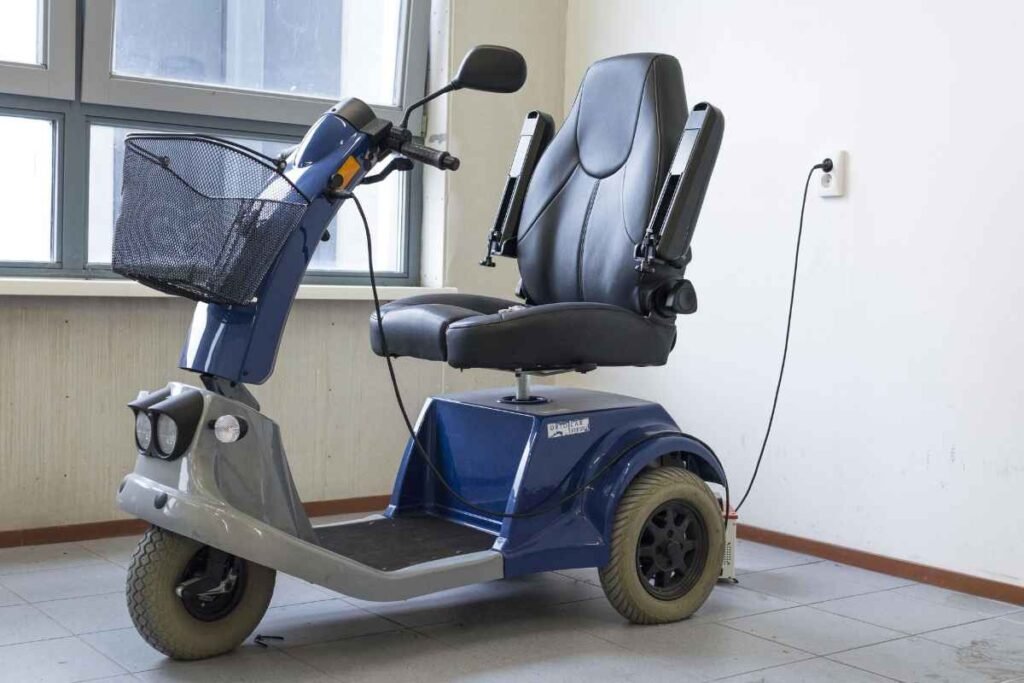
Pride Victory 10 4-Wheel
Not every bariatric rider needs the absolute highest capacity. The Victory 10 sits at a 400 lb rating and is built more like a full-size scooter than an ultra-heavy-duty one — which some riders actually prefer.
- 400 lb weight capacity
- One-hand Feather-Touch disassembly for transport
- High-intensity LED headlight
- Flat-free, non-marking tires
- 5.3 mph top speed
Best For: Riders closer to the 350-400 lb range who want a full-size scooter without the bulk of a 500-600 lb-rated machine.
Watch Out For: If your weight is close to or above 400 lbs, this isn’t the one — Pride and most manufacturers recommend a 25-50 lb buffer above your actual weight.
Pros:
- Easier to disassemble and transport than heavier-duty models
- Full-size ride quality without the largest-scooter price tag
- Reliable brand backing from Pride Mobility
Cons:
- Lower weight ceiling rules it out for many bariatric riders
- Fewer standout comfort features than the Maxima or Silverado
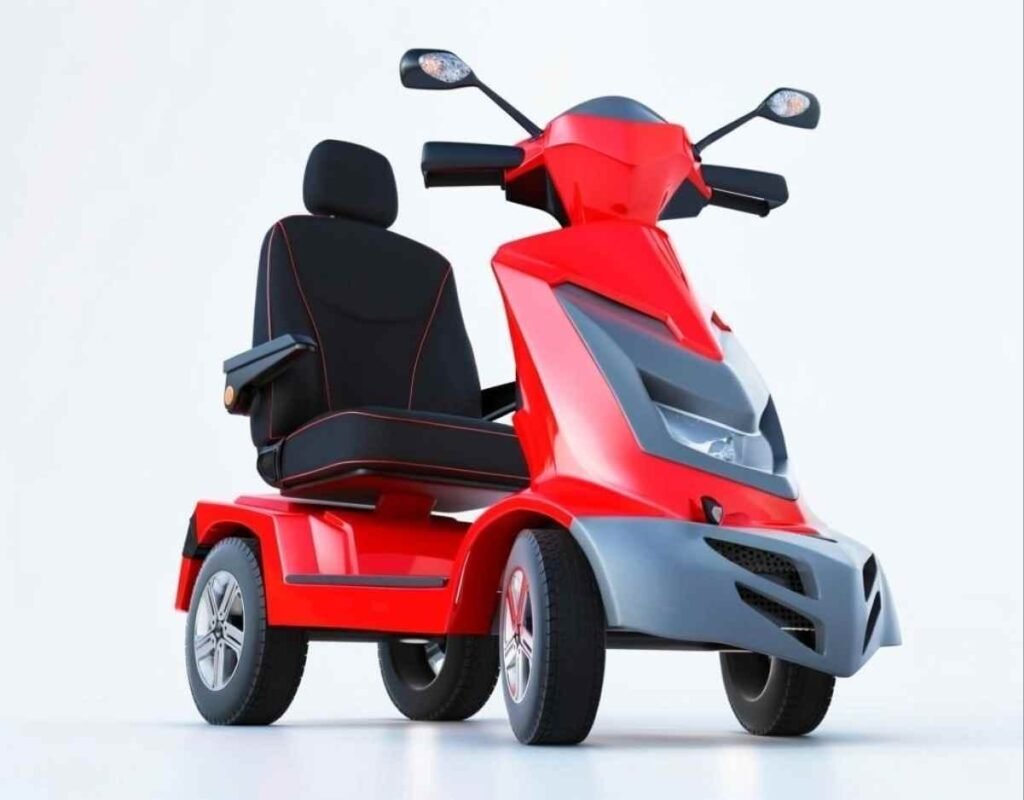
E-Wheels EW-66
The EW-66 sits in its own category: a 600 lb weight capacity that’s high enough to carry two riders at once. If nothing else on this list clears your weight comfortably, this is usually the fallback.
- 600 lb weight capacity
- Two-rider capable design
- Wide, reinforced frame built for the highest capacity class
Best For: Riders at or above 500 lbs who haven’t found enough buffer room on other 500 lb-rated scooters.
Watch Out For: Highest-capacity scooters like this trade portability for strength — expect a heavier, bulkier unit than anything else on this list.
Pros:
- Highest weight capacity in this comparison
- Two-rider capability is rare in this category
- Reinforced build suited to daily heavy use
Cons:
- Bulkiest and heaviest to transport or store
- Fewer range/speed details published compared to bigger-brand competitors — confirm current specs before buying
How to Choose the Right Bariatric Mobility Scooter
Once you’ve narrowed down a bariatric mobility scooters by weight capacity alone, a few other factors decide whether it actually fits how you’ll use it day to day.
Weight capacity buffer. Never buy at your exact weight. Most manufacturers and mobility dealers recommend picking a scooter rated 25-50 lbs above your actual body weight, since carrying groceries, bags, or accessories adds to the total load — and running a motor at its absolute limit shortens its lifespan.
3-wheel vs. 4-wheel. Three-wheel scooters generally turn tighter, which helps indoors. Four-wheel models are more stable on grass, gravel, and uneven outdoor terrain — worth prioritizing if most of your riding happens outside.
Range vs. seat comfort. As you can see from the models above, the longest-range scooters (Silverado, Afiscooter S4) aren’t always the most plush, and the most comfortable seats (Maxima) don’t always have the longest range. Decide which matters more for how you’ll actually use it.
Ground clearance and incline rating. If you’re riding on anything besides flat sidewalks — grass, curbs, gentle slopes — check the ground clearance and incline rating specifically. A scooter rated for smooth pavement can struggle on terrain a higher-clearance model handles easily.
Transport and storage. Heavier-duty scooters are, by nature, heavier and bulkier. If you need to load one into a vehicle regularly, look specifically at disassembly options and piece weight, not just the overall footprint.
Battery type and charging. Larger batteries mean longer range but also longer charge times and more weight. If daily range needs are modest, a mid-range battery scooter may serve you better than paying for capacity you won’t use.
Frequently Asked Questions
These are the questions we hear most often from people shopping for a bariatric mobility scooters for the first time.
What is the highest weight capacity available in a bariatric mobility scooters? Most bariatric mobility scooters top out between 500 and 600 lbs, with a small number of specialized models rated even higher. The EW-66 in this comparison is rated for 600 lbs.
How much should I buy above my actual body weight? Most manufacturers recommend a 25-50 lb buffer above your actual weight to account for carried items and to avoid running the motor at its maximum limit daily.
Are 3-wheel or 4-wheel bariatric mobility scooters more stable? Four-wheel models are generally more stable on grass, gravel, and uneven outdoor terrain, while 3-wheel scooters offer a tighter turning radius that’s easier to manage indoors.
How far can a bariatric mobility scooters travel on one charge? Range varies widely by model, from around 16 miles on entry-level 500 lb-rated scooters up to 55 miles on longer-range models like the Silverado Extreme.
Do bariatric mobility scooters require a prescription? In the US, some bariatric mobility scooters are classified as Class II medical devices, and insurance or Medicare coverage often requires a physician’s prescription — direct cash purchases typically do not.
Can a bariatric mobility scooters be used both indoors and outdoors? Yes, but the best-suited model depends on your primary use. Compact-turning 3-wheel scooters handle indoor spaces better, while 4-wheel, higher-clearance models are built for regular outdoor use.
Final Verdict
For most bariatric riders who spend real time outdoors, the AFIKIM Afiscooter S4 is the strongest all-around pick — a genuine 500 lb capacity, real incline performance, and enough range for full days out. If budget is the deciding factor, the Golden Technologies Companion HD delivers the same 500 lb rating at a noticeably lower price, just with a shorter range. And if you’re closer to or above 500 lbs, the E-Wheels EW-66 is the one option here built specifically for that higher end. Whichever you choose, buy a capacity buffer above your actual weight — it’s the single detail that affects comfort, safety, and how long any bariatric mobility scooters lasts.