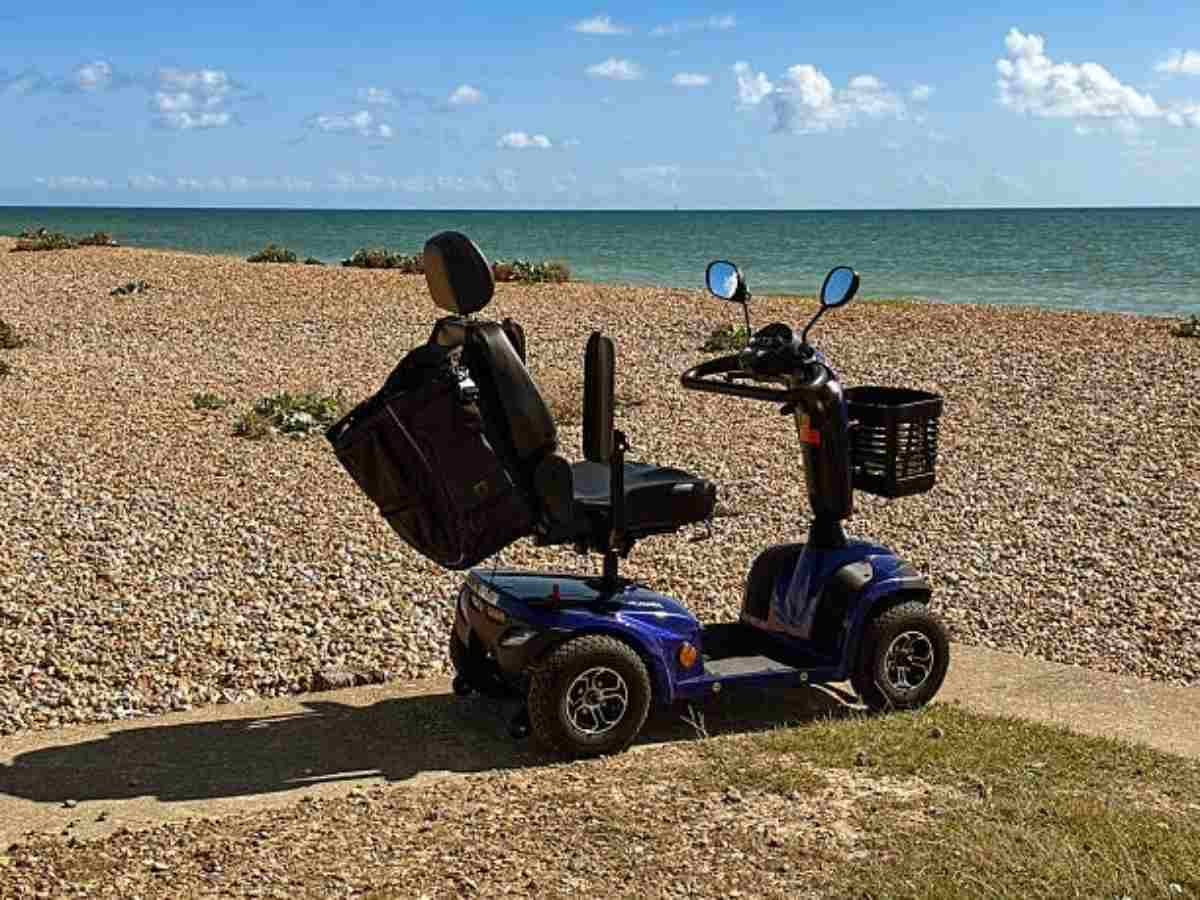
Finding a reliable budget mobility scooter doesn’t mean settling for poor quality or unsafe equipment. Whether you’re recovering from surgery, managing a chronic condition, or simply want more independence for errands and outdoor trips, a well-chosen affordable scooter can restore your mobility without draining your savings. In this guide, we’ll walk through exactly what makes a good affordable option, compare top models on the market, and help you avoid the common mistakes people make when shopping on a tight budget.
Why Consider a Budget Mobility Scooter?
Not everyone needs a $3,000 all-terrain scooter with every bell and whistle. For many users, an affordable scooter offers everything required for daily life: getting to the mailbox, navigating the grocery store, or taking a short trip around the neighborhood. The key is understanding that “budget” doesn’t have to mean “cheaply made.” A good budget mobility scooter still needs to deliver safe braking, a stable frame, decent battery range, and comfortable seating.
People who benefit most from a budget mobility scooter include:
- Seniors with limited walking endurance who mostly stay close to home
- Individuals recovering from hip, knee, or foot surgery
- People with arthritis or joint pain who need occasional mobility support
- Anyone wanting a lightweight, foldable option for travel or storage in a small apartment
What Makes a Good Budget Mobility Scooter?
Before you buy, it helps to know what separates a genuinely useful budget mobility scooter from one that will disappoint you within a few months. Here are the features that matter most:
1. Weight Capacity
Check the manufacturer’s listed weight limit carefully. Most entry-level models support 250–300 lbs, though some heavier-duty affordable scooter options go up to 400 lbs.
2. Battery Range
A dependable entry-level scooter should offer at least 8–10 miles per charge for practical daily use. Lithium battery upgrades are becoming more common even in affordable models, offering lighter weight and longer lifespan than older lead-acid batteries.
3. Portability
If you plan to transport your scooter in a car trunk or take it on trips, look for a foldable or easily disassembled budget mobility scooter. Many budget-friendly models now break down into three or four pieces, none exceeding 35 lbs.
4. Turning Radius
A tight turning radius makes a huge difference indoors. A good budget mobility scooter for home use should have a turning radius under 32 inches to comfortably navigate hallways and doorways.
5. Comfort Features
Even affordable models should include an adjustable seat, padded armrests, and a tiller that can be positioned for your height. Look for a seat that swivels for easier entry and exit, since this small feature makes a noticeable difference for users with limited hip or knee mobility. A backrest with lumbar support is also worth prioritizing if you plan longer outings, since basic flat-back seating can become uncomfortable after 20–30 minutes.
6. Ground Clearance and Tire Type
Solid tires are common on lower-cost models because they never go flat, but they transmit more vibration on uneven pavement. Pneumatic (air-filled) tires cost slightly more but offer a smoother ride over cracks, curbs, and gravel. If your neighborhood has rough sidewalks, this trade-off is worth factoring into your decision.
Top Budget Mobility Scooter Picks for 2026
Below is a comparison of some of the most reliable and affordable options currently available. These models were selected based on price, battery life, portability, and verified customer satisfaction.
| Model | Price Range | Weight Capacity | Battery Range | Folds/Disassembles | Best For |
|---|---|---|---|---|---|
| Pride Mobility Go-Go Elite Traveller | $900–$1,100 | 300 lbs | Up to 9.2 miles | Yes, disassembles into 5 pieces | Travel and everyday errands |
| Drive Medical Scout Compact | $700–$900 | 250 lbs | Up to 8 miles | Yes, splits into 4 lightweight parts | Indoor and light outdoor use |
| Golden Technologies Buzzaround EX | $850–$1,050 | 260 lbs | Up to 8.5 miles | Yes, compact fold | Seniors seeking simplicity |
| Shoprider Echo | $750–$950 | 300 lbs | Up to 12 miles | Partial disassembly | Longer trips on a budget |
| EV Rider Transport AF+ | $950–$1,150 | 275 lbs | Up to 12 miles | Yes, auto-folding with remote | Users wanting one-touch portability |
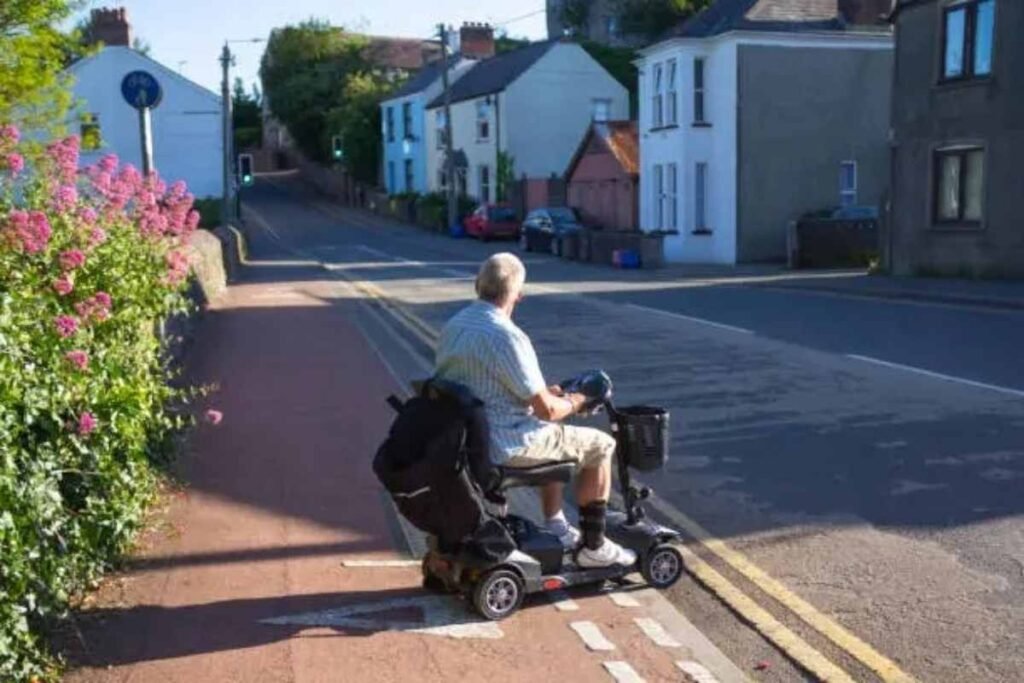
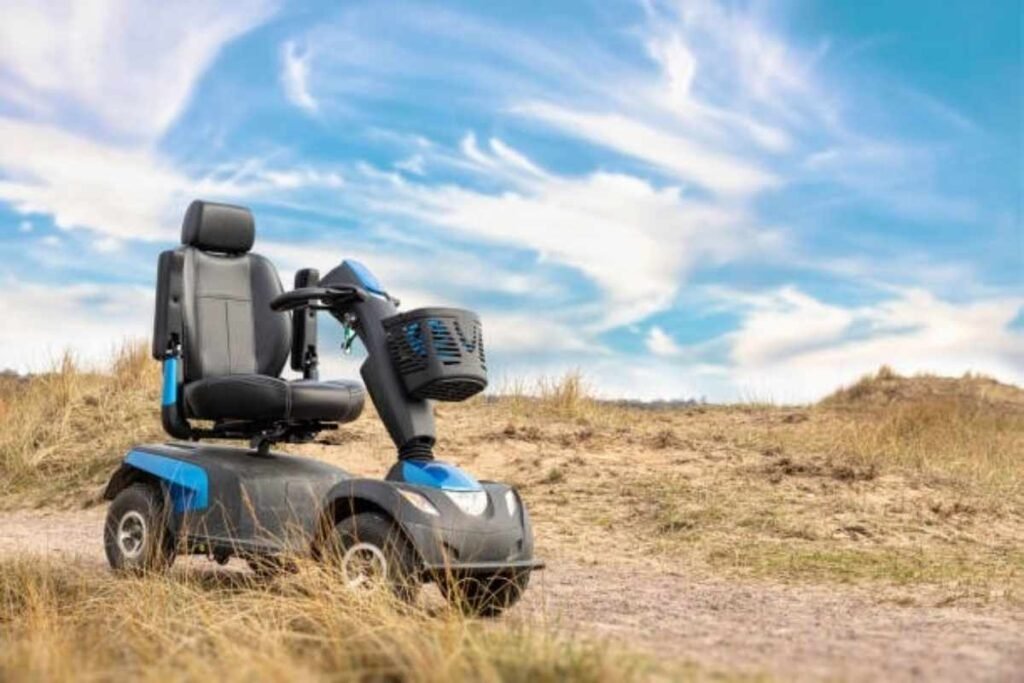
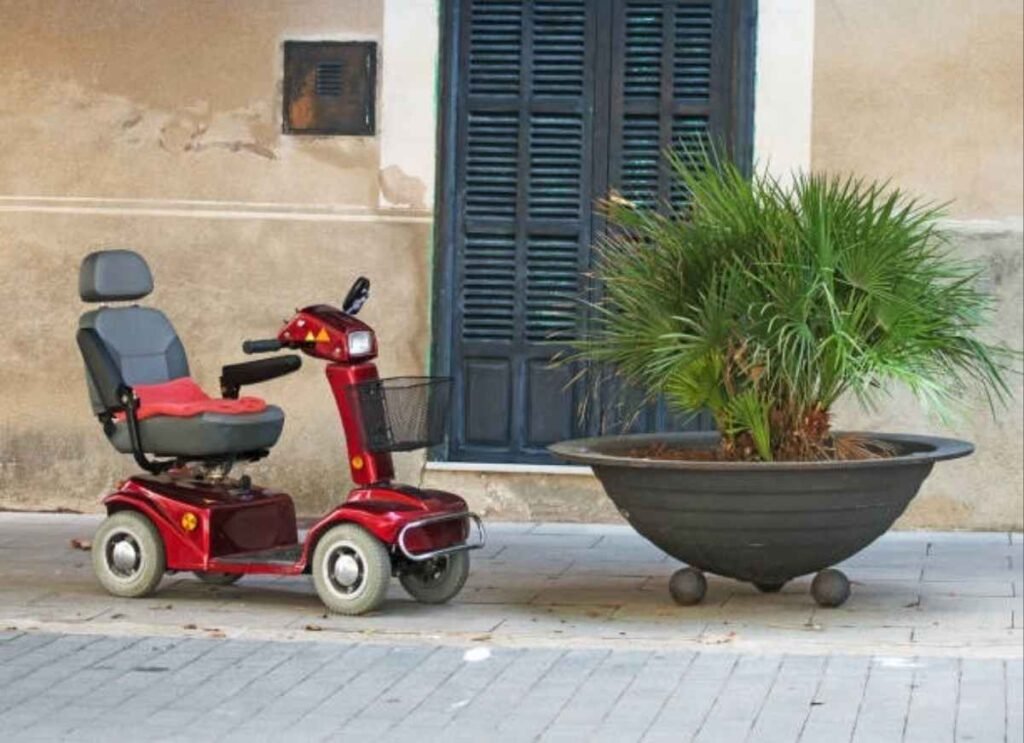

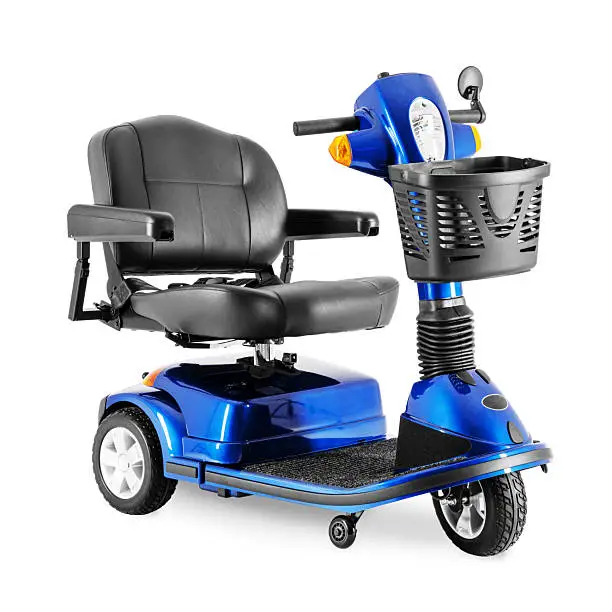
Pride Mobility Go-Go Elite Traveller
This model remains one of the most trusted names in the budget mobility scooter category. It splits into five manageable pieces, none heavier than 24 lbs, making it a genuinely practical choice for anyone who needs to load it into a car regularly. The delta tiller design also improves handling compared to cheaper competitors.
Drive Medical Scout Compact
If your main need is getting around the house and occasional short outings, the Scout Compact is a smart budget mobility scooter choice. It’s one of the lightest options in its price bracket, and its compact frame handles tight indoor spaces with ease.
Golden Technologies Buzzaround EX
Golden Technologies has built a strong reputation for durability, and the Buzzaround EX brings that reliability into the budget mobility scooter market. It offers a smoother ride than many competitors thanks to its slightly wider wheelbase.
Shoprider Echo
For users who want more range without spending extra, the Shoprider Echo stands out as an affordable option with impressive battery life. Twelve miles per charge is unusual at this price point, making it ideal for people who run multiple errands in one outing.
EV Rider Transport AF+
The Transport AF+ brings a genuinely premium feature — automatic folding via remote control — into the budget mobility scooter space. While it sits at the higher end of what we’d call “budget,” it remains significantly cheaper than comparable auto-folding scooters from other brands.
Budget Mobility Scooter vs. Premium Models: What Are You Really Giving Up?
It’s natural to wonder whether a budget mobility scooter will leave you missing out on important features. In most cases, the differences come down to top speed, suspension quality, and extra comfort add-ons rather than core safety or reliability. It typically tops out around 4–5 mph, while premium models can reach 8 mph or more. For most users running errands or moving around a neighborhood, this difference is rarely noticeable in daily life.
Premium scooters also tend to include full suspension systems for smoother rides over rough terrain, while a budget mobility scooter usually relies on basic pneumatic or solid tires. If you mostly travel on paved sidewalks, driveways, and indoor flooring, this trade-off is unlikely to affect your experience.
How to Save Even More on a Budget Mobility Scooter
- Check manufacturer refurbished programs. Many reputable brands sell certified refurbished units with warranties, letting you get a like-new budget mobility scooter for significantly less.
- Ask about insurance and Medicare coverage. Some users qualify for partial reimbursement, which can shift your search toward slightly higher-featured models.
- Buy off-season. Retailers often discount mobility equipment in late fall and winter when demand dips.
- Compare local medical supply stores against online retailers. Prices for the same budget mobility scooter can vary by hundreds of dollars depending on where you shop.
- Look into payment plans. Many retailers now offer interest-free installment options, which can make a slightly higher-featured model fit within a tight monthly budget.
- Join local mobility or senior support groups. Members often sell gently used equipment at a fraction of retail price once they upgrade or no longer need their scooter.
Maintenance Tips to Extend the Life of Your Budget Mobility Scooter
A budget mobility scooter can last just as long as a premium one with proper care. Charge the battery fully after each use rather than letting it drain completely, store the scooter indoors or under cover to protect electronics from moisture, and check tire pressure monthly if your model uses pneumatic tires. Regularly inspecting brake responsiveness is especially important, since braking components tend to wear faster on lower-cost frames.
Frequently Asked Questions
Is a budget mobility scooter safe for daily use? Yes, as long as you choose a reputable brand and follow the manufacturer’s weight and terrain guidelines. Most entry-level models undergo the same basic safety testing as more expensive units.
What is the average price of a budget mobility scooter? Most reliable options fall between $700 and $1,200, though prices fluctuate based on battery type, range, and portability features.
Can I use a budget mobility scooter outdoors? Many affordable models are designed for light outdoor use on sidewalks and paved paths, though they generally aren’t built for off-road or rugged terrain.
Do budget mobility scooters come with a warranty? Most reputable brands offer at least a one-year warranty on the frame and electrical components, even on their most affordable models.
Will insurance or Medicare help pay for one? In some cases, yes. If a doctor documents medical necessity, Medicare Part B may cover a portion of the cost for certain models classified as durable medical equipment. Coverage rules vary, so it’s worth checking with your provider and the retailer before purchasing.
Final Thoughts
Choosing the right budget mobility scooter comes down to matching your specific needs — daily distance, storage space, and portability requirements — with a model that delivers solid basics without unnecessary extras. The five options covered above represent some of the most dependable choices available today, each offering a strong balance of price and performance. With the right research, an affordable, comfortable, and safe budget mobility scooter is well within reach.




One Comment