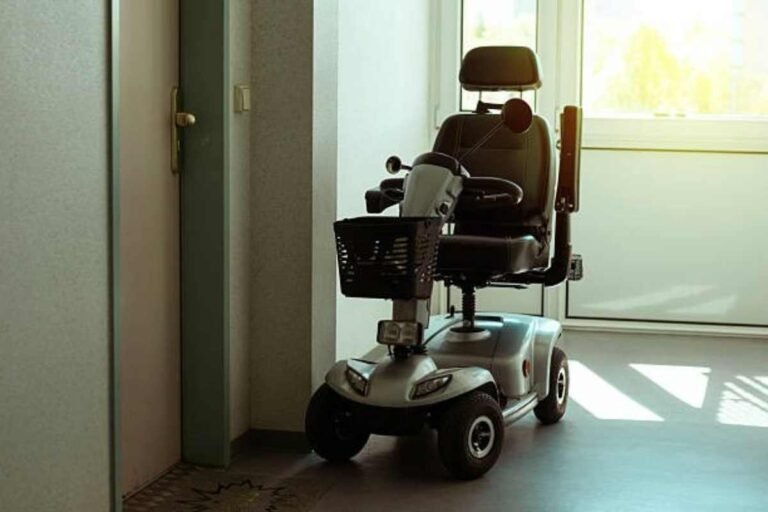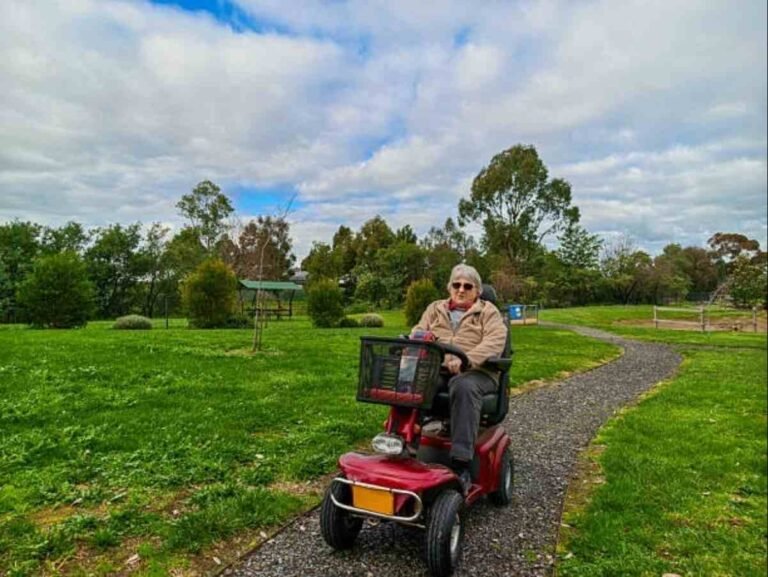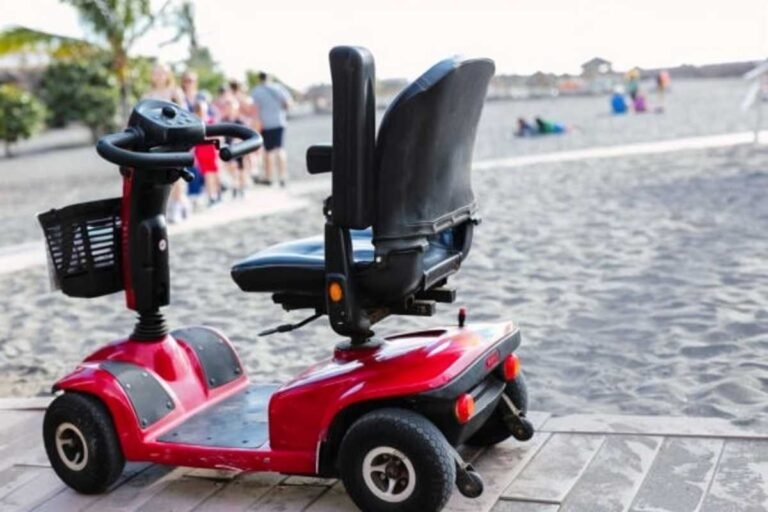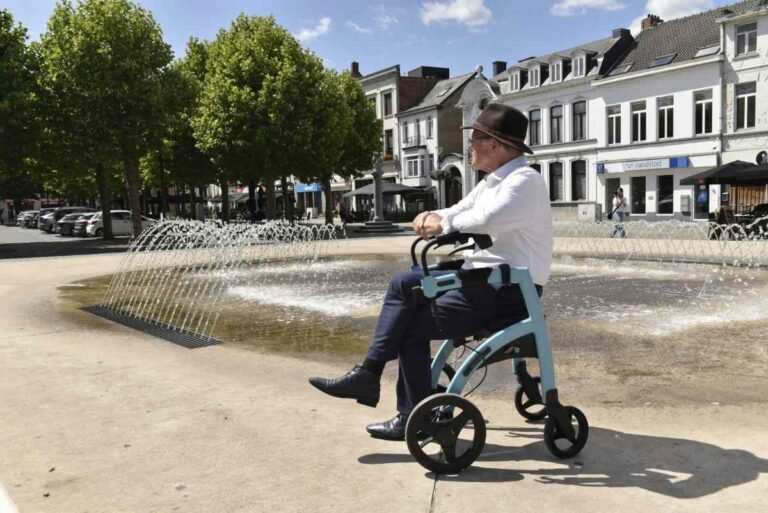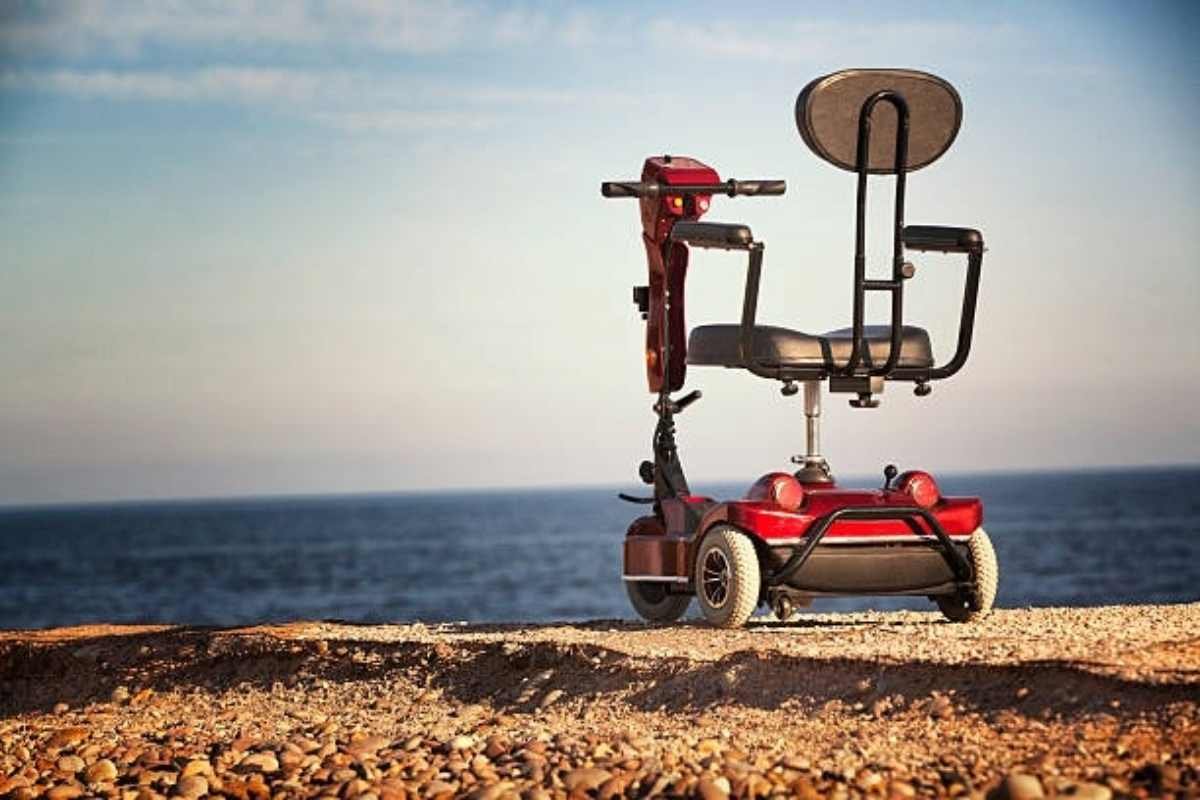
If you live in an apartment, a condo, or a home with narrow hallways, finding the right mobility solution can feel like a puzzle. This is exactly why more people are turning to compact mobility scooters for small spaces — they solve the everyday problem of getting around comfortably without needing a garage-sized storage area. In this guide, we’ll walk through everything you need to know before buying, compare the top models on the market, and help you pick the best compact mobility scooter for your home and lifestyle.
Why Compact Mobility Scooters for Small Spaces Make Sense
Traditional mobility scooters are built for open outdoor terrain, but they’re often too bulky for tight apartments, small elevators, or homes with narrow doorways. Compact mobility scooters solve this by trimming down the frame, tightening the turning radius, and making the whole unit easier to fold or disassemble. If your living space includes narrow hallways, small bathrooms, or limited closet storage, a compact model is almost always the smarter choice over a full-size scooter.
Beyond the space-saving design, these scooters also tend to be lighter, which makes them easier to lift into a car trunk or carry up a few steps. For seniors and people with limited mobility who still want independence at home and on short errands, compact mobility scooters offer a practical middle ground between a manual wheelchair and a full-size outdoor scooter.
Who Should Consider a Compact Mobility Scooter?
Not everyone needs the same type of scooter. Compact mobility scooters are generally the best fit for:
- People living in apartments, condos, or assisted-living communities with tight hallways
- Frequent travelers who need something that fits in a car trunk or airplane cargo hold
- Users who mainly need help indoors or for short outdoor trips (grocery stores, pharmacies, community centers)
- Anyone who wants a lightweight, easy-to-store option rather than a heavy-duty outdoor scooter
If you regularly travel long distances outdoors, over uneven terrain, or need to carry heavier loads, a full-size scooter with bigger wheels and a longer battery range might serve you better. But for day-to-day indoor use and short trips, compact mobility scooters for small spaces are usually the more practical pick.
What to Look for When Buying Compact Mobility Scooters
Choosing among compact mobility scooters isn’t just about picking the smallest option on the shelf. A few key factors make the difference between a scooter that fits your life and one that ends up gathering dust in a closet.
1. Turning Radius
Since the whole point of compact mobility scooters is maneuvering in tight spaces, pay close attention to the turning radius. A scooter with a turning radius under 32 inches will usually handle small kitchens, bathrooms, and hallways with ease.
2. Weight and Portability
Most compact mobility scooters weigh somewhere between 40 and 100 pounds, often split into two or three pieces for easier lifting. If you’ll be loading the scooter into a car regularly, look for models under 50 pounds per piece, or ones with a folding frame that a caregiver can manage alone.
3. Battery Range
Indoor-focused compact mobility scooters typically offer a shorter range than outdoor models — usually between 8 and 15 miles per charge. That’s plenty for a day of errands, but always check the range against your typical routine before buying.
4. Weight Capacity
Weight capacity varies quite a bit across compact mobility scooters, generally from around 250 to 400 pounds. Make sure to choose a model with enough buffer above your own weight for comfort and long-term durability.
5. Storage Footprint
One of the biggest selling points of compact mobility scooters for small spaces is how little room they take up once folded or disassembled. Some models fold flat enough to slide under a bed, while others break into pieces that fit in a closet.
6. Seat Comfort and Adjustability
Even a small scooter should have a comfortable, adjustable seat. Look for swivel seats, padded armrests, and adjustable tillers, since these small comforts matter a lot if you’re using the scooter daily.
Comparison Table: Top Compact Mobility Scooters for Small Spaces
| Scooter Model | Weight | Weight Capacity | Turning Radius | Battery Range | Best For |
|---|---|---|---|---|---|
| Journey Air Lightest | 42 lbs (heaviest piece) | 265 lbs | 31.5 in | Up to 12 miles | Air travel & tight apartments |
| Fold and Go | 55 lbs (heaviest piece) | 300 lbs | 33 in | Up to 15 miles | One-touch folding, car trunk storage |
| EV Rider Transport AF+ | 50 lbs (heaviest piece) | 300 lbs | 34 in | Up to 12 miles | Frequent travelers |
| Golden Buzzaround LX | 50 lbs (heaviest piece) | 300 lbs | 34.5 in | Up to 18 miles | Slightly longer indoor/outdoor range |
| Drive Scout Compact | 45 lbs (heaviest piece) | 250 lbs | 31 in | Up to 10 miles | Smallest apartments and studios |
Specs are approximate and can vary by retailer and model year — always confirm exact figures on the product page before purchasing.
Top Picks: Best Compact Mobility Scooters for Small Spaces
1. Journey Air Lightest — Best for Air Travel and Tiny Apartments
Among compact mobility scooters, the Journey Air Lightest stands out for how easily it breaks down into airline-friendly pieces, with no piece heavier than around 42 pounds. Its tight turning radius makes it a strong pick for studio apartments and small bathrooms. If travel is a priority alongside indoor use, this is one of the best compact mobility scooters for small spaces on the market right now.
2. Fold and Go — Best One-Touch Folding
The Fold and Go earns its name with a one-button folding mechanism that collapses the entire scooter without needing to remove any parts. For anyone who wants one of the more convenient compact mobility scooters to load in and out of a car trunk without heavy lifting, this model is worth a close look.
3. EV Rider Transport AF+ — Best for Frequent Travelers
This model folds automatically at the press of a button and rolls like a suitcase when folded. It’s a favorite among compact mobility scooters for people who split time between home and travel, since it stores easily in a car trunk or even some closets.
4. Golden Buzzaround LX — Best Battery Range in a Compact Frame
If you want a bit more range without sacrificing the small footprint, the Golden Buzzaround LX offers one of the longer battery ranges among compact mobility scooters for small spaces, while still folding down for manageable storage.
5. Drive Scout Compact — Best for the Smallest Spaces
For studio apartments or homes with very narrow doorways, the Drive Scout Compact is one of the smallest compact mobility scooters available, with a turning radius tight enough to navigate galley kitchens and small bathrooms comfortably.
Tips for Using Compact Mobility Scooters Indoors
- Measure your doorways first. Before buying any of these compact mobility scooters, measure your narrowest doorway and hallway to confirm clearance.
- Clear rug edges and cords. Small scooters can catch on loose rugs or cables, so tidy up walking paths in advance.
- Charge overnight. Most compact mobility scooters charge fully overnight, so plug in near where you plan to store it.
- Practice in an open room first. Get comfortable with turning and braking before navigating your tightest hallway.
- Check weight limits for ramps. If your building has a wheelchair ramp, confirm it supports the combined weight of the scooter and rider.
Frequently Asked Questions
Are compact mobility scooters as sturdy as full-size scooters? Compact mobility scooters are generally built for lighter-duty, shorter-distance use. They’re sturdy enough for daily indoor trips and short outdoor errands, but they’re not designed to replace a heavy-duty outdoor scooter for long distances or rough terrain.
Can compact mobility scooters go outside? Yes, most compact mobility scooters handle smooth sidewalks and paved paths well, though their smaller wheels aren’t ideal for grass, gravel, or steep inclines.
How much do compact mobility scooters cost? Prices for compact mobility scooters typically range from around $900 to $2,000, depending on battery range, weight capacity, and folding mechanism.
Do I need a prescription to buy a compact mobility scooter? In most cases, no prescription is required to purchase, though insurance reimbursement may require documentation from a doctor.
Final Thoughts
Choosing among compact mobility scooters for small spaces comes down to matching the scooter’s size, weight, and folding mechanism to your specific home and routine. Whether you prioritize air-travel portability, one-touch folding, or a slightly longer battery range, there’s a compact model built for nearly every small-space scenario. Measure your space, compare the options above, and pick the compact mobility scooter that fits both your home and your daily life.