Choosing between a mobility scooter and a rollator is one of the most common decisions older adults and people with limited mobility face when shopping for daily support. The mobility scooter vs rollator debate comes up constantly because both devices solve similar problems — getting around safely, reducing fall risk, and staying independent — but they work in very different ways. If you’ve been searching “mobility scooter vs rollator” trying to figure out which one fits your lifestyle, this guide breaks down everything you need to know before you spend a dollar.
We’ll compare cost, portability, physical effort, indoor and outdoor use, storage space, insurance coverage, and real product recommendations so you can make a confident, informed choice.
Mobility Scooter vs Rollator: The Quick Answer
If you need a short answer to the mobility scooter vs rollator question: choose a rollator if you can still walk but need support, balance, and a place to rest. Choose a mobility scooter if walking any real distance is painful, exhausting, or unsafe, and you need to conserve energy for daily activities.
That’s the simple version. But the mobility scooter vs rollator decision depends on more nuanced factors like your strength, your home layout, your budget, and whether you’re using the device indoors, outdoors, or both. Let’s dig into the details.
What Is a Rollator?
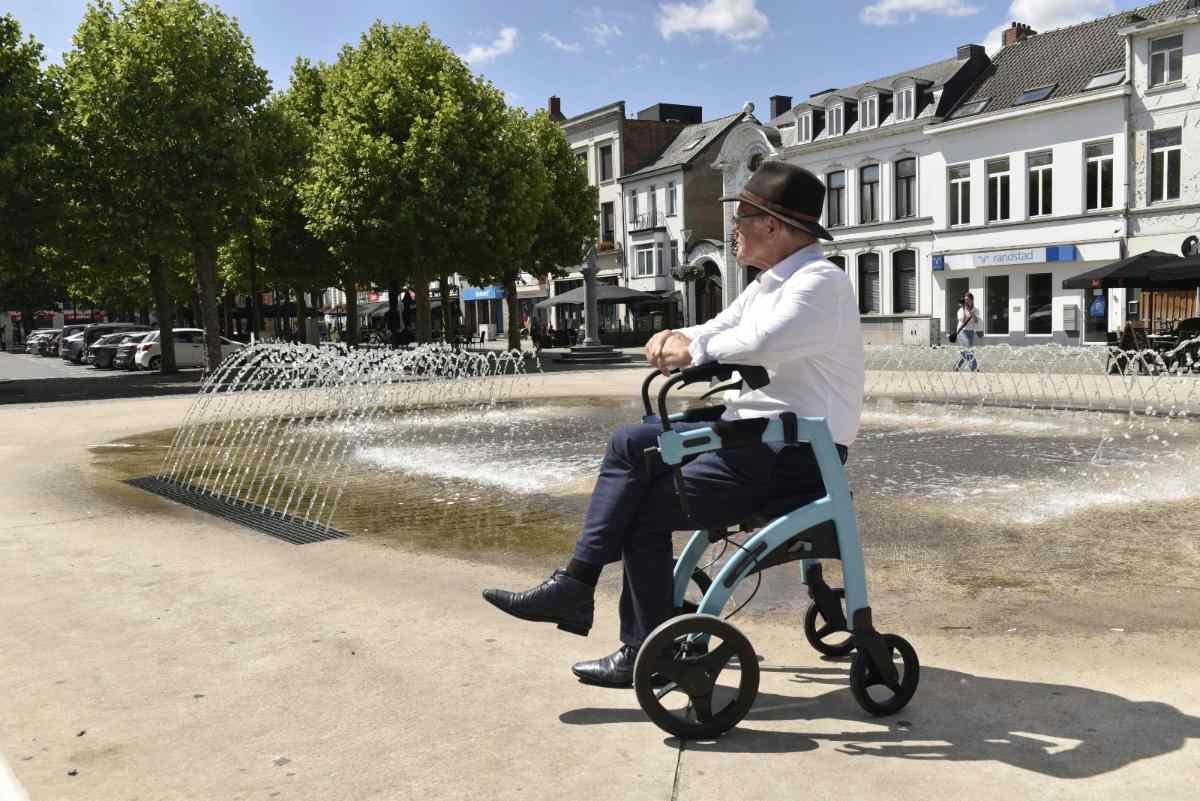
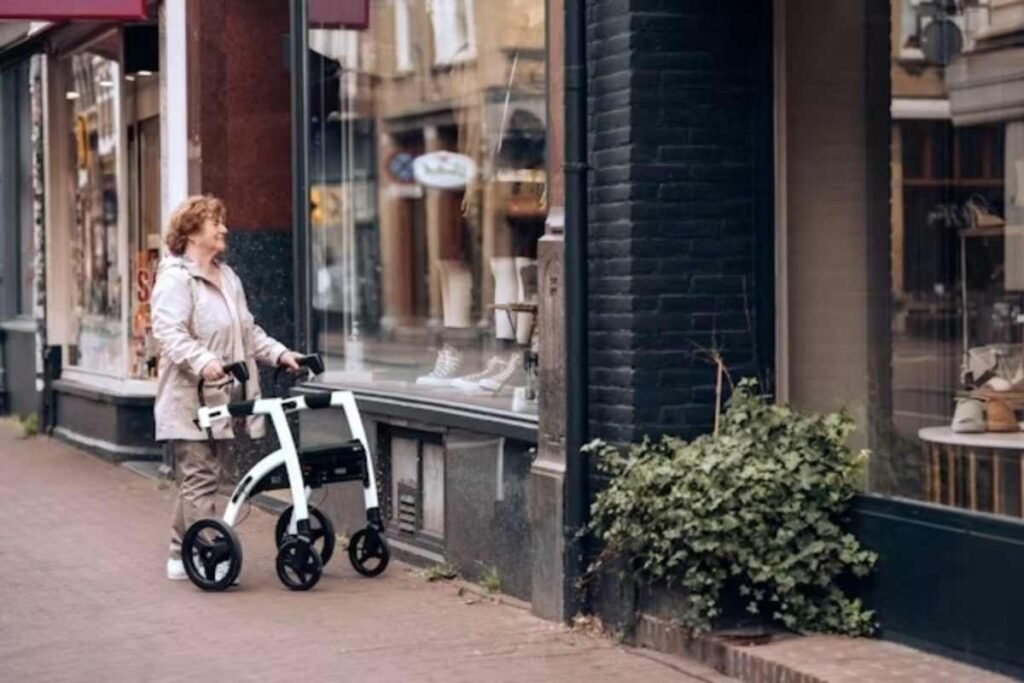
A rollator is a four-wheeled walking frame with a built-in seat, hand brakes, and usually a small storage pouch or basket. Unlike a traditional walker that you lift and place with each step, a rollator rolls forward as you walk, which makes movement smoother and less physically demanding. Most rollators fold flat for transport and weigh between 13 and 20 pounds.
Rollators are designed for people who can bear their own weight and walk independently but need extra balance support, a way to rest during longer outings, or relief from joint pain while moving. This is the starting point most people research before comparing mobility scooter vs rollator options side by side.
What Is a Mobility Scooter?
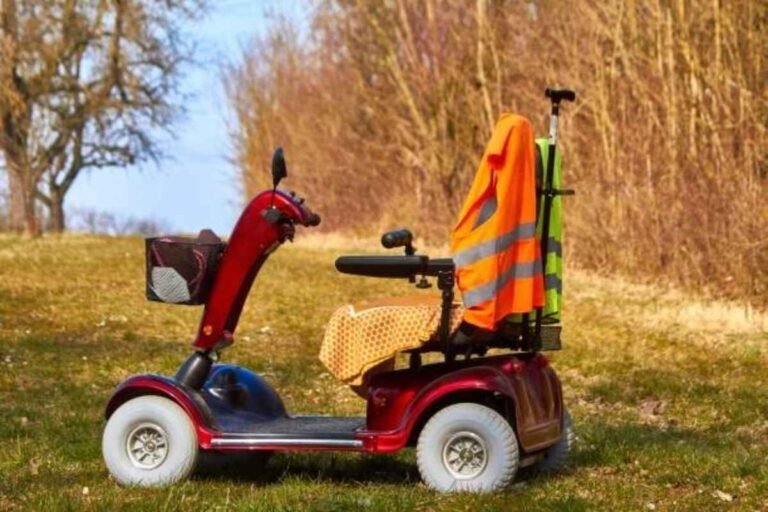
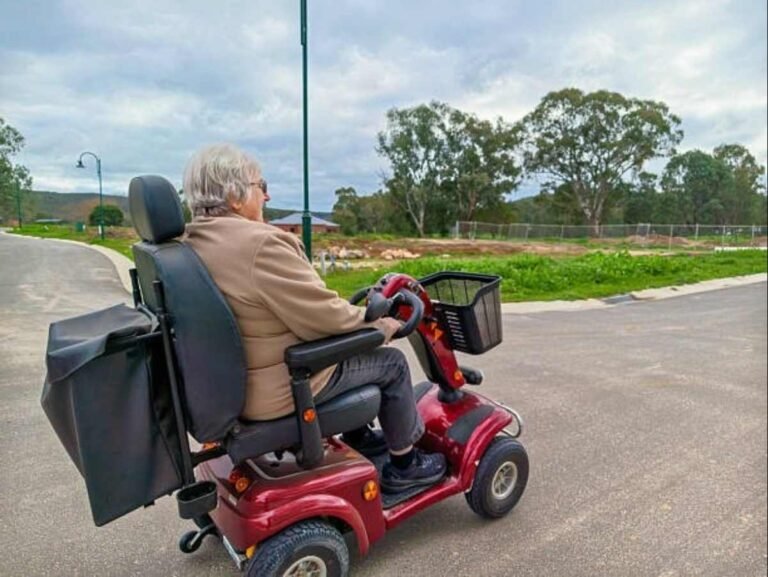
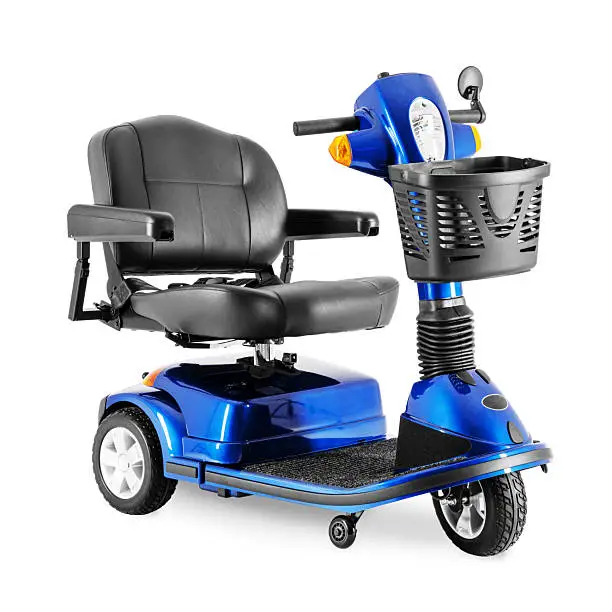
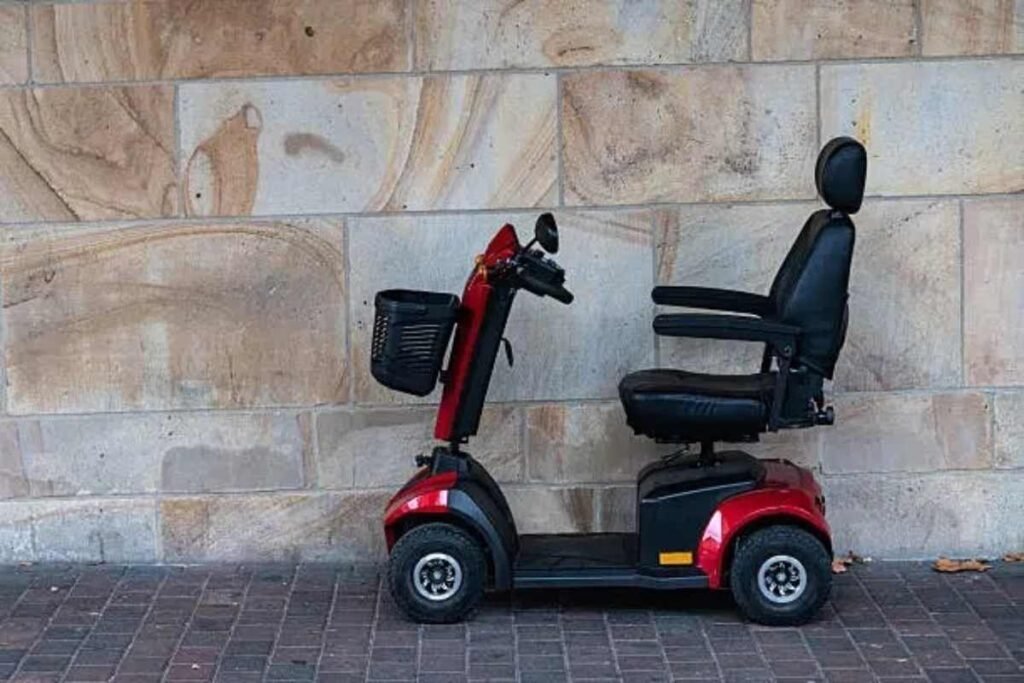
A mobility scooter is a battery-powered device with three or four wheels, a seat, a steering tiller, and a throttle control. Instead of walking, the rider sits and drives. Mobility scooters range from compact travel models that break down into airline-friendly pieces to heavy-duty models built for rough terrain and long-distance outdoor use.
Because the rider doesn’t need to bear weight on their legs, mobility scooters are the better option for people with limited stamina, chronic pain, cardiovascular conditions, or significant mobility loss.
Mobility Scooter vs Rollator: Key Differences at a Glance
| Feature | Rollator | Mobility Scooter |
|---|---|---|
| Power source | Manual (user-propelled) | Battery-powered motor |
| Physical effort required | Moderate — user still walks | Minimal — user sits and drives |
| Average price range | $60–$250 | $700–$3,500+ |
| Portability | Folds flat, lightweight | Heavier, some fold or disassemble |
| Best for | Balance support, short-to-mid distances | Long distances, chronic fatigue, joint pain |
| Indoor use | Excellent | Good in larger homes, harder in tight spaces |
| Outdoor use | Good on flat, paved surfaces | Excellent, especially heavy-duty models |
| Insurance/Medicare coverage | Sometimes covered | Sometimes covered with documentation |
| Learning curve | Very low | Low to moderate |
| Maintenance | Minimal | Battery charging, occasional servicing |
This table is the core of the mobility scooter vs rollator comparison, and it’s worth revisiting as you weigh your own daily routine against each column.
Mobility Scooter vs Rollator: Comparing Cost
Cost is often the deciding factor in the mobility scooter vs rollator conversation. A basic rollator like the Drive Medical Nitro Euro Style Rollator or the NOVA Star 2 Rollator typically costs between $80 and $180. Even premium rollators with all-terrain wheels rarely exceed $300.
Mobility scooters sit in a completely different price bracket. A compact travel scooter such as the EV Rider Transport AF+ starts around $900, while a full-size outdoor model like the Pride Mobility Victory 10.2 or the Golden Technologies Buzzaround EX can run $1,200 to $2,500. Heavy-duty all-terrain scooters from AFIKIM or Shoprider can exceed $3,000. If budget is your primary constraint, this alone may settle the mobility scooter vs rollator question in favor of the rollator.
Mobility Scooter vs Rollator: Physical Effort and Stamina
This is arguably the most important health-based factor in the mobility scooter vs rollator decision. A rollator still requires you to walk, stand, and bear your own body weight, just with added support and stability. That’s a benefit if your doctor wants you staying active, but it’s a limitation if you have conditions like severe arthritis, COPD, heart failure, or post-surgical fatigue that make walking exhausting or unsafe.
A mobility scooter removes the physical demand almost entirely. You sit, steer, and control speed with your hand, which makes it the better option for anyone whose main issue is stamina or pain rather than balance. Many people actually use both: a rollator around the house and a mobility scooter for errands, appointments, or outings that involve more distance.
Mobility Scooter vs Rollator: Portability and Storage
Rollators win decisively on portability. Most fold in seconds, fit in a car trunk without disassembly, and weigh light enough for a caregiver to lift alone. This makes the rollator side of the mobility scooter vs rollator comparison ideal for people who travel frequently or have limited storage space at home.
Mobility scooters require more planning. Travel scooters like the EV Rider Transport AF+ or the Pride Mobility Go-Go Elite Traveller break into 3–4 lighter pieces for car trunk storage, but full-size scooters often need a ramp, a scooter lift, or a larger vehicle. Apartment dwellers should also measure doorways and elevators, since many mobility scooters are wider than a standard rollator.
Mobility Scooter vs Rollator: Indoor vs Outdoor Use
Indoors, a rollator is usually easier to maneuver through hallways, kitchens, and bathrooms because of its narrower frame. Mobility scooters can work indoors too, especially compact 3-wheel models, but tight turning radiuses in older homes can be a challenge.
Outdoors, the mobility scooter vs rollator gap widens. Rollators handle flat sidewalks and smooth pavement fine, but they struggle on gravel, grass, hills, or long distances since the user is still walking. Mobility scooters, particularly 4-wheel and heavy-duty models from Golden Technologies or Pride Mobility, are built for exactly this kind of terrain and distance.
Sizing Guide: Choosing the Right Fit
Getting the sizing right matters as much as the mobility scooter vs rollator category decision itself. A poorly sized rollator or scooter can undermine every other advantage in the mobility scooter vs rollator comparison, so measure carefully before you buy.
For rollators:
- Handle height should let your elbows bend at roughly a 15-degree angle when standing upright and gripping the handles.
- Seat height typically ranges from 20 to 24 inches; taller users should look for adjustable-height models.
- Weight capacity varies from 250 lbs on standard rollators up to 400+ lbs on bariatric versions.
- Frame width matters for narrow hallways and bathroom doors — measure your tightest doorway before buying.
For mobility scooters:
- Check the turning radius against your home’s tightest corners, especially for indoor use.
- Confirm the weight capacity, which usually ranges from 300 lbs on standard models to 500+ lbs on heavy-duty scooters.
- Consider seat width and captain’s chair options for longer rides.
- Battery range should match your typical daily distance, with buffer room — most mobility scooters offer 10 to 30 miles per charge depending on the model.
Pros and Cons
Rollator Pros
- Lightweight and easy to fold or transport
- Much more affordable than a mobility scooter
- Keeps the user physically active
- No charging or battery maintenance
- Easy to store in small apartments
Rollator Cons
- Still requires walking and some physical effort
- Limited range for long outdoor distances
- Less support for people with severe stamina or pain issues
Mobility Scooter Pros
- Minimal physical effort required
- Covers much longer distances
- Comfortable seating for extended outings
- Available in indoor, outdoor, and heavy-duty models
Mobility Scooter Cons
- Significantly more expensive
- Heavier and harder to transport
- Requires battery charging and occasional maintenance
- Learning curve for steering and controls
Weighing these lists side by side is often the fastest way to settle the mobility scooter vs rollator decision for your own situation.
Real Product Recommendations
For rollator shoppers, the Drive Medical Nitro Euro Style Rollator offers a strong balance of weight capacity and maneuverability, while the NOVA Star 2 Rollator is a solid budget-friendly pick with a padded seat and large basket. For those needing extra stability outdoors, the Trust Care Let’s Go Out Rollator has larger wheels suited for uneven pavement.
For mobility scooter shoppers comparing the mobility scooter vs rollator options, the Pride Mobility Go-Go Elite Traveller is a well-reviewed compact scooter for errands and travel. The Golden Technologies Buzzaround EX offers a comfortable middle ground between portability and range. For heavy-duty outdoor use, the AFIKIM Afiscooter S3 and the Shoprider Enduro XL4 both handle rougher terrain with higher weight capacities.
Who Should Choose a Rollator?
A rollator makes sense if you can walk independently but need balance support, want a lightweight option that folds into a car easily, are managing a tighter budget, or your doctor has recommended staying physically active. Many people recovering from hip or knee surgery start with a rollator before transitioning to less support over time.
Who Should Choose a Mobility Scooter?
A mobility scooter is the better fit if walking any real distance causes pain, breathlessness, or fatigue, if you have a chronic condition affecting your legs, heart, or lungs, or if you want to maintain independence for errands, appointments, and social outings without relying on someone else for transportation. Many people in the mobility scooter vs rollator conversation choose a scooter specifically because it extends their independence rather than limiting outings to short walking distances.
Can You Use Both?
Yes, and many people do. It’s common to keep a rollator for short indoor movement — getting to the bathroom, kitchen, or bedroom — while using a mobility scooter for grocery runs, doctor visits, or outdoor errands that require more distance and stamina. Thinking about the mobility scooter vs rollator choice as “either/or” isn’t always necessary; plenty of households own both and use each one where it fits best.
Frequently Asked Questions
Is a mobility scooter or rollator better for arthritis? It depends on severity. Mild arthritis with occasional balance issues usually suits a rollator, since it keeps you moving without added strain. Severe arthritis that makes walking painful over distance is usually better served by a mobility scooter.
Does Medicare cover a mobility scooter or rollator? Both may be covered under Medicare Part B as durable medical equipment if a doctor documents medical necessity, though mobility scooters typically require more extensive documentation, including a mobility evaluation from a physician.
Which is safer, a mobility scooter or rollator? Both are safe when sized and used correctly. Rollators reduce fall risk during walking, while mobility scooters remove walking-related fall risk entirely but require basic steering ability and awareness.
Can a rollator be converted into a wheelchair? No, but many rollators include a seat for resting, which offers similar relief for short breaks without replacing a wheelchair or scooter.
How much does a mobility scooter cost compared to a rollator? Rollators typically range from $60 to $250, while mobility scooters range from roughly $700 for compact travel models to over $3,000 for heavy-duty outdoor scooters.
What’s the weight limit difference between a mobility scooter and a rollator? Standard rollators support 250–350 lbs, with bariatric versions up to 400+ lbs. Standard mobility scooters support 300–400 lbs, while heavy-duty models go up to 500+ lbs or more.
Do I need a prescription to buy either option? Neither typically requires a prescription for out-of-pocket purchases, but Medicare or insurance reimbursement for either side of the mobility scooter vs rollator choice usually requires a doctor’s documentation of medical necessity.
Final Verdict: Mobility Scooter vs Rollator
There’s no universal winner in the mobility scooter vs rollator debate — the right choice depends entirely on your physical ability, budget, and daily routine. If you can still walk and mainly need balance support, a rollator is the more affordable, portable option. If walking distances cause pain, fatigue, or breathlessness, a mobility scooter will protect your independence and energy far better.
Whichever side of the mobility scooter vs rollator decision you land on, prioritize proper sizing, weight capacity, and where you’ll use the device most — indoors, outdoors, or both — before making your final purchase.