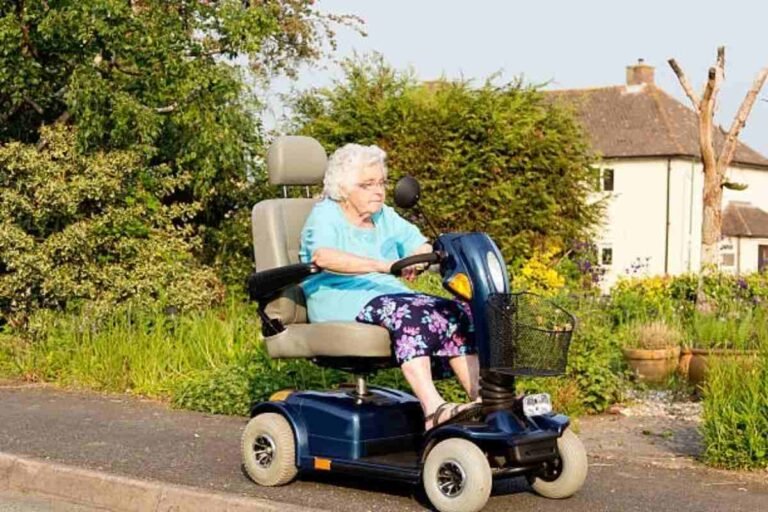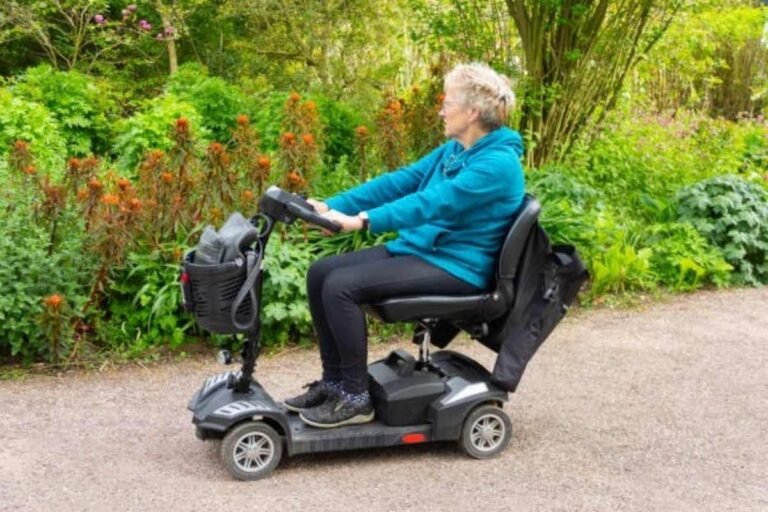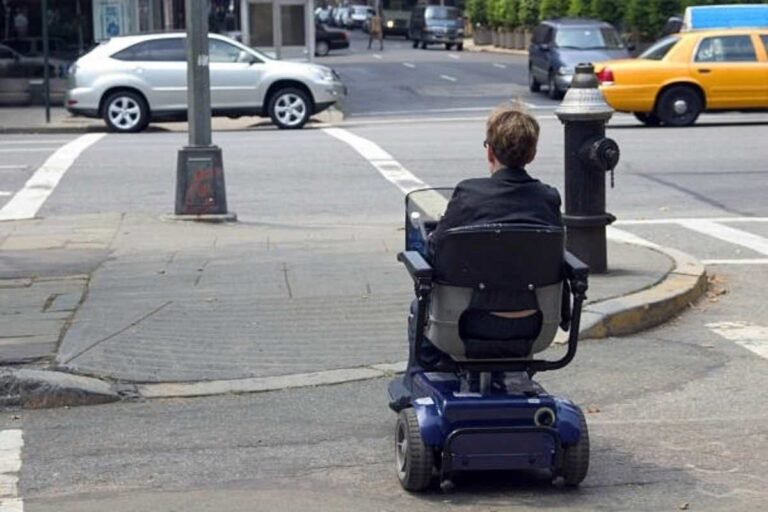
Finding the right mobility scooter for veterans is not the same as picking a scooter for the general public. Veterans dealing with service-connected disabilities, limited mobility from injuries, or age-related conditions need equipment that meets VA documentation standards, fits real-world terrain, and holds up to daily use. If you served your country and now need help getting around your home, your yard, or your town, this guide walks you through everything you need to know before buying a mobility scooter for veterans, including which brands qualify for VA funding, how to navigate the approval process, and which specific models are worth your money in 2026.
Why Veterans Need a Different Approach to Choosing a Mobility Scooter
A mobility scooter for veterans has to satisfy more than comfort and speed. Many veterans qualify for full or partial reimbursement through VA health benefits, but only certain scooter categories and vendors are approved. On top of that, veterans often deal with combined mobility issues, back injuries, amputations, neuropathy, or cardiovascular limits, so the scooter needs to be evaluated by a VA physician or physical therapist before purchase in most reimbursement cases. Choosing the right mobility scooter for veterans starts with understanding this approval pathway, not just browsing scooter listings online.
How VA Benefits Cover a Mobility Scooter for Veterans
The VA classifies power mobility devices, including scooters, under Durable Medical Equipment (DME). To get a mobility scooter for veterans covered, you typically need:
- A referral from your VA primary care provider or a specialist.
- An evaluation from a VA physical or occupational therapist confirming medical necessity.
- Documentation showing that a cane or walker is insufficient for your mobility needs.
- Approval through VA Prosthetic and Sensory Aids Service, which handles DME requests.
Once approved, the VA either issues the scooter directly through a contracted vendor or reimburses an approved purchase. This is why picking a mobility scooter for veterans from a well-known, VA-recognized brand matters: lesser-known imports are far less likely to be approved or serviced under a VA warranty claim.
What to Look for in a Mobility Scooter for Veterans
Not every scooter on the market is a good fit for a veteran’s daily needs. Here is what actually matters:
Weight Capacity: Many veterans need scooters rated for 300 to 500 lbs, especially heavy-duty models built for daily outdoor use.
Battery Range: A mobility scooter for veterans who plan to run errands, visit the VA clinic, or navigate larger properties should have a range of at least 15 to 20 miles per charge.
Portability: Foldable or disassembling scooters make transport in a car trunk realistic for veterans who still drive themselves to appointments.
Terrain Handling: Veterans in rural areas need larger tires and better ground clearance than someone using a scooter only indoors.
Seat Comfort and Back Support: Many veterans have chronic back or spine injuries, so a captain’s seat with lumbar support is not optional, it is essential.
Ease of Repair: Choosing a mobility scooter for veterans from a brand with a wide dealer and parts network avoids long downtime when something breaks.
Top Mobility Scooter Brands and Models for Veterans in 2026
Below is a comparison of some of the most trusted options when shopping for a mobility scooter for veterans, based on weight capacity, range, portability, and VA-vendor familiarity.
| Model | Weight Capacity | Battery Range | Portability | Best For |
|---|---|---|---|---|
| Pride Mobility Go-Go Elite Traveller Plus | 300 lbs | Up to 12.5 miles | Disassembles into 5 pieces | Travel and car trunk storage |
| Golden Technologies Buzzaround EX | 260–350 lbs | Up to 14 miles | Compact, wider wheelbase | Balance and stability outdoors |
| Drive Medical Scout Compact | 250 lbs | Up to 8 miles | Lightweight, easy folding | Budget-conscious, short trips |
| EV Rider Transport AF+ | 300 lbs | Up to 12 miles | Automatic one-touch fold | Limited hand strength |
| Shoprider Enseo | 260 lbs | Up to 10 miles | Compact 3-wheel design | Indoor and tight spaces |
| AFIKIM Afiscooter S3 | 400–500 lbs | Up to 27 miles | Heavy-duty 4-wheel frame | Rural properties and rough terrain |
Pride Mobility Go-Go Elite Traveller Plus
The Go-Go Elite Traveller Plus is one of the most recommended travel scooters and a frequent pick for a mobility scooter for veterans who need something portable. It disassembles into five lightweight pieces, making it easy to load into a sedan trunk without help. Pride Mobility is also one of the most recognized names among VA equipment vendors, which simplifies the reimbursement process.
Golden Technologies Buzzaround EX
The Buzzaround EX is a solid mid-range option for veterans who want a balance between portability and stability. It offers a wider wheelbase than most travel scooters, giving more confidence on uneven sidewalks and ramps, which matters for veterans managing balance issues from injuries or medication side effects.
Drive Medical Scout Compact
Drive Medical’s Scout Compact is a budget-friendly mobility scooter for veterans who mainly need it for short trips around the house or short community outings. It is lightweight, simple to operate, and easy for family caregivers to assist with, which is a common need in veteran households.
EV Rider Transport AF+
The Transport AF+ folds automatically at the push of a button, making it one of the easiest scooters to use for a mobility scooter for veterans with limited hand strength or upper body mobility. This model is particularly popular with veterans who live alone and cannot lift heavy components.
Shoprider Enseo
The Enseo is a compact 3-wheel option that suits veterans who mostly use their scooter indoors or in senior communities with tight turning spaces. Its smaller footprint makes it a practical choice for veterans living in smaller homes or apartments.
AFIKIM Afiscooter S3
For veterans who need something heavier-duty, the Afiscooter S3 is a 4-wheel, all-terrain capable mobility scooter for veterans dealing with rural properties, gravel driveways, or larger yards. Its higher weight capacity and larger tires make it one of the most durable options on this list.
Pros and Cons of a Mobility Scooter for Veterans
Pros:
- Potential full or partial VA reimbursement through DME benefits
- Restored independence for errands, appointments, and daily tasks
- Reduced strain on joints and the back compared to walkers or canes
- Wide range of options from compact travel scooters to heavy-duty outdoor models
- Strong dealer networks for VA-recognized brands, meaning easier repairs
Cons:
- VA approval process can take weeks depending on your regional office
- Higher-capacity, heavy-duty scooters can be expensive if VA does not fully cover the model
- Battery range still requires planning for longer trips
- Storage and transport can be an issue for veterans without vehicle modifications
- Reimbursement is not guaranteed for every brand or model, so verify VA-approved vendors first
Tips to Speed Up VA Approval for a Mobility Scooter for Veterans
Bring documentation of any fall history, chronic pain diagnosis, or mobility-limiting condition to your VA appointment. Ask your provider directly about Prosthetic and Sensory Aids Service referral for a mobility scooter for veterans rather than a general mobility aid request, since specificity often speeds up processing. If your local VA office has long wait times, ask about telehealth evaluations, which many VA medical centers now allow for DME assessments.
Frequently Asked Questions About a Mobility Scooter for Veterans
Does the VA pay for a mobility scooter for veterans in full?
In many cases yes, if a VA physician documents medical necessity and the scooter is sourced through an approved DME vendor. Partial reimbursement is also common depending on the model chosen.
How long does it take to get a mobility scooter for veterans approved?
Timelines vary by region, but most veterans report approval taking anywhere from two to eight weeks after the initial evaluation appointment.
Can veterans buy their own mobility scooter and get reimbursed later?
Sometimes, but only if the VA pre-approves the vendor and model. Buying first without approval often means the VA will deny reimbursement, so confirm before purchasing a mobility scooter for veterans out of pocket.
What is the best mobility scooter for veterans with limited storage space?
Foldable or disassembling models like the Pride Mobility Go-Go Elite Traveller Plus or EV Rider Transport AF+ are the best mobility scooter for veterans options when apartment or vehicle storage space is tight.
Is a 3-wheel or 4-wheel scooter better for veterans?
3-wheel scooters offer a tighter turning radius for indoor use, while 4-wheel scooters like the AFIKIM Afiscooter S3 offer more stability outdoors and on uneven terrain.
Final Thoughts on Choosing a Mobility Scooter for Veterans
Picking the right mobility scooter for veterans comes down to matching your daily terrain, storage situation, and physical needs with a brand that has a strong track record with VA reimbursement. Pride Mobility, Golden Technologies, Drive Medical, EV Rider, Shoprider, and AFIKIM all offer models worth considering, but the right pick still depends on your specific VA evaluation and lifestyle. Talk to your VA provider early, gather your medical documentation, and use this guide as a starting point when comparing your options for a mobility scooter for veterans in 2026.