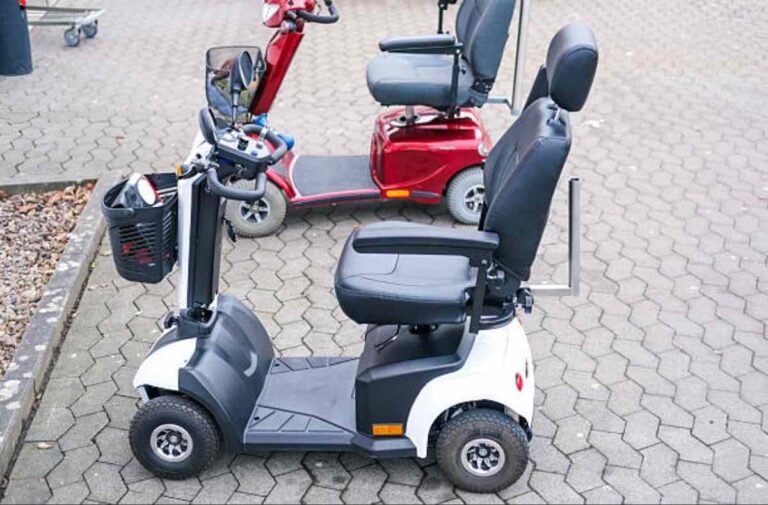
Understanding your mobility scooter warranty before you buy can save you hundreds, sometimes thousands, of dollars in repair costs down the line. Yet most buyers skim past the warranty section entirely, focusing instead on speed, range, or price. This guide breaks down exactly what a mobility scooter warranty typically covers, where the common gaps are, and how to compare warranty terms across brands so you’re not caught off guard when something eventually needs fixing. Think of this as a practical checklist for the mobility scooter warranty conversation you should have with any dealer before signing off on a purchase.
Why Mobility Scooter Warranty Terms Deserve Real Attention
A mobility scooter warranty isn’t just fine print — it’s a direct reflection of how much confidence a manufacturer has in their own product. Longer, more comprehensive coverage usually signals better build quality, while short or heavily restricted terms can be a red flag. Comparing mobility scooter warranty length and coverage scope should be treated with the same seriousness as comparing weight capacity or battery range.
Many buyers only think about mobility scooter warranty terms after something breaks, which is exactly the wrong time to discover that a part isn’t covered or that the claim process requires documentation they never kept.
What a Standard Mobility Scooter Warranty Usually Covers
Most manufacturers structure their mobility scooter warranty in tiers, with different coverage lengths for different components:
- Frame coverage, often the longest-lasting protection, sometimes extending 3-5 years or even a lifetime on some premium models.
- Motor and drivetrain, typically covered for 1-2 years under normal use conditions.
- Battery coverage, usually the shortest at 6-12 months, since batteries naturally degrade with use regardless of manufacturing quality.
- Electronics and controllers, generally covered for 1-2 years, matching the motor warranty period in many cases.
Reading the specific warranty document rather than relying on marketing summaries is important, since terms like “limited warranty” often carry conditions that aren’t obvious from a product page alone.
Common Exclusions Buyers Often Miss
Almost every mobility scooter warranty comes with exclusions, and understanding them ahead of time prevents unpleasant surprises later:
- Damage from exceeding weight capacity. Most manufacturers explicitly void coverage if the scooter was used above its rated weight limit.
- Water damage beyond rated exposure. Even scooters marketed as weather-resistant usually have limits on submersion or heavy rain exposure.
- Normal wear items. Tires, brake pads, and upholstery are frequently excluded since they’re expected to degrade with regular use.
- Unauthorized repairs. Having a non-certified technician open the scooter can void the remaining coverage entirely.
- Commercial or rental use. A scooter warrantied for personal use may lose coverage if used in a rental fleet or commercial setting.
Knowing these exclusions in advance helps set realistic expectations about what a mobility scooter warranty will and won’t protect against.
Comparing Warranty Terms Across Popular Brands
Warranty length and scope vary meaningfully between manufacturers, and this is one of the more overlooked factors buyers should weigh alongside price and features. The Pride Mobility Go-Go Elite Traveller typically comes with a solid mid-range mobility scooter warranty, including multi-year frame coverage and a shorter battery term, reflecting Pride Mobility’s reputation for dependable travel scooters.
The Golden Technologies Buzzaround EX generally offers comparable coverage, with Golden Technologies known for slightly longer electrical component terms on some models. The EV Rider Vita Monster, being a heavier-duty all-terrain scooter, often comes with a mobility scooter warranty that emphasizes frame and suspension durability, which makes sense given its rougher intended use case. The Drive Medical Scout Compact rounds out a typical warranty profile with standard coverage terms similar to other mid-range indoor-focused models.
| Brand/Model | Frame Coverage | Motor/Electronics | Battery Coverage | Notes |
|---|---|---|---|---|
| Pride Mobility Go-Go Elite Traveller | Multi-year | 1-2 years | 6-12 months | Strong travel scooter reputation |
| Golden Technologies Buzzaround EX | Multi-year | 1-2 years | 6-12 months | Slightly longer electronics terms |
| EV Rider Vita Monster | Multi-year, reinforced | 1-2 years | 6-12 months | Emphasis on suspension durability |
| Drive Medical Scout Compact | Multi-year | 1-2 years | 6-12 months | Standard mid-range coverage |
Always confirm current mobility scooter warranty specifics directly with the retailer or manufacturer before purchase, since terms can change between model years.
Extended Warranty Options: Are They Worth It?
Many retailers offer extended warranty plans beyond the manufacturer’s standard mobility scooter warranty coverage, usually for an additional cost at checkout. Whether this is worth it depends on a few factors:
- How you plan to use the scooter. Frequent, heavy daily use makes an extended mobility scooter warranty more valuable than occasional light use.
- The base warranty length. If the manufacturer’s standard mobility scooter warranty is already generous, an extension may offer diminishing returns.
- Your comfort with out-of-pocket repair costs. Motor and controller repairs can run several hundred dollars, so an extended plan can make financial sense for risk-averse buyers.
Reading the extended plan’s fine print matters just as much as the original mobility scooter warranty, since some extended plans exclude the same wear items as standard coverage. It’s also worth checking whether the extended plan is backed by the manufacturer directly or by a third-party insurance provider, since claims processes and reliability can differ significantly between the two.
How to File a Warranty Claim Correctly
Even a strong warranty won’t help much if a claim is filed incorrectly. A few steps make the process smoother:
- Keep your original purchase receipt and registration documentation, since most manufacturers require proof of purchase date to validate a mobility scooter warranty claim.
- Document the issue clearly, including photos and a description of when the problem started.
- Contact an authorized dealer or the manufacturer directly, rather than a third-party repair shop, to avoid voiding remaining coverage.
- Keep records of any prior repairs, since a documented maintenance history can support a claim if there’s a dispute about the cause of a failure and whether it falls within normal mobility scooter warranty terms.
Registering Your Scooter for Full Coverage
Many manufacturers require product registration within a set window after purchase — often 30 to 90 days — for the full mobility scooter warranty to apply.
Skipping this step is a surprisingly common mistake that can reduce coverage or complicate a future claim. Registering typically takes only a few minutes online and creates a documented record tying your specific unit to its warranty terms, which is especially useful if you ever need to transfer coverage to a new owner or provide proof of the original purchase date. Some manufacturers even send maintenance reminders or recall notices to registered owners, which is another practical reason not to skip this step even if it feels like an unnecessary formality at the time of purchase.
How Warranty Length Reflects Build Quality
Reading between the lines of a mobility scooter warranty can actually tell you a lot about how the manufacturer expects the product to perform over time. A company confident in its welds, motor sourcing, and quality control tends to offer longer frame coverage, sometimes lifetime terms, because the statistical likelihood of a structural failure is low. Shorter frame terms, on the other hand, don’t necessarily mean a bad product, but they do suggest the manufacturer is pricing in more risk. Comparing warranty length side by side with independent owner reviews, rather than relying on either signal alone, gives a more accurate picture of long-term reliability than either source would on its own.
It’s also worth noting that warranty terms sometimes differ between the exact same model sold through different retailers, particularly for scooters bundled with promotional financing or refurbished units. Always confirm whether a listed warranty applies to a new unit purchased directly from an authorized dealer, since third-party sellers occasionally offer reduced or reseller-specific coverage instead of the full manufacturer terms.
What Voids a Mobility Scooter Warranty
Beyond the standard exclusions, a few rider behaviors commonly void coverage entirely:
- Modifying the scooter with aftermarket parts not approved by the manufacturer.
- Ignoring manufacturer-recommended maintenance schedules, particularly for battery charging cycles.
- Operating the scooter outside its rated terrain or weather conditions, such as regularly riding an indoor-focused model through mud or standing water.
- Transferring ownership without notifying the manufacturer, in cases where warranty terms are tied to the original registered owner.
Avoiding these situations keeps a mobility scooter warranty fully intact for its entire stated term. If you’re ever unsure whether a specific modification or usage pattern would create a problem, it’s worth calling the manufacturer directly before making the change rather than assuming coverage will remain unaffected.
Final Thoughts
A mobility scooter warranty is one of the most overlooked factors in the buying decision, yet it directly affects your long-term cost of ownership and peace of mind.
Whether you’re considering the Pride Mobility Go-Go Elite Traveller for everyday travel or a heavier-duty option like the EV Rider Vita Monster, comparing mobility scooter warranty length, coverage scope, and exclusions before you buy is just as important as comparing speed or battery range. Understanding your mobility scooter warranty in detail now means fewer surprises and a much smoother repair process if something ever needs attention later. Take a few extra minutes before checkout to read the actual warranty document rather than the summary bullet points, since that small step is often what separates a smooth repair experience from a frustrating and expensive one.