Walking eighteen holes is a joy, but for many golfers, arthritis, back pain, balance problems, or recovery from surgery makes it nearly impossible. The good news is that a scooter can put you back on the fairway without giving up the game you love. In this guide, we explain how a golf mobility scooter works, what rules courses follow, and which models are worth your money.
If you have been searching for a golf mobility scooter, you have probably noticed that most scooters are designed for sidewalks and malls, not grass. That is exactly why choosing the right scooter matters so much. The wrong machine can sink into soft turf, tip on a slope, or get you banned from the course.
What Is a Golf Mobility Scooter?
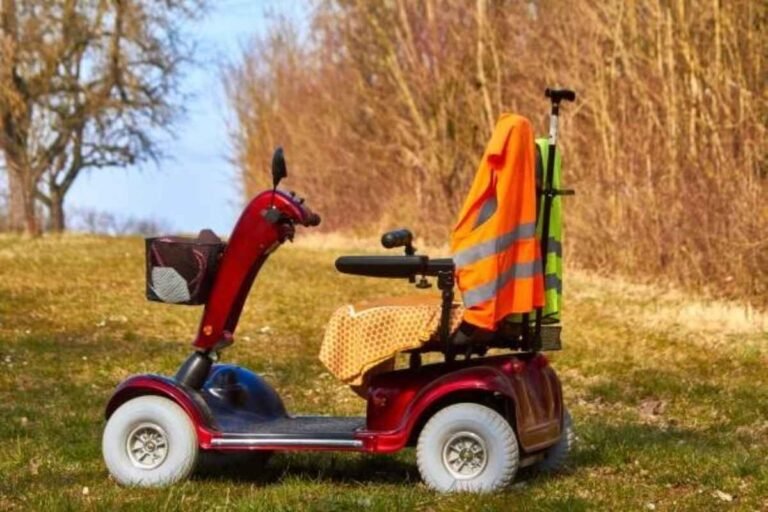
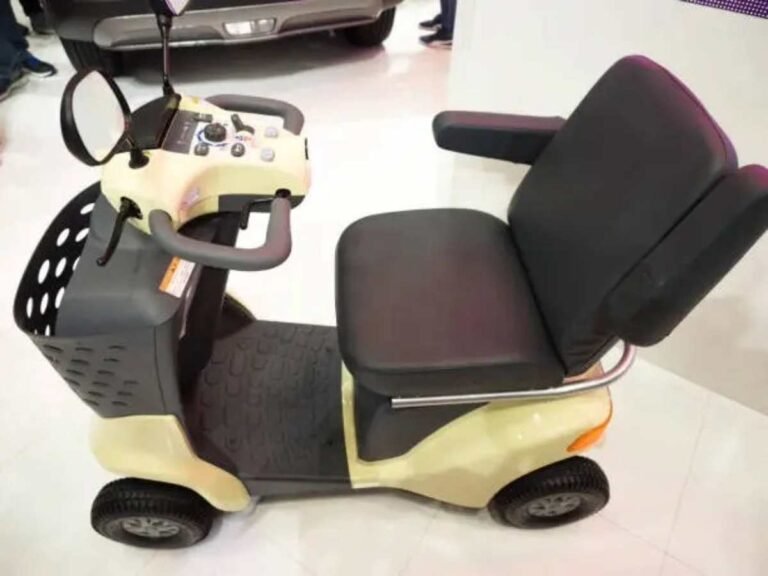
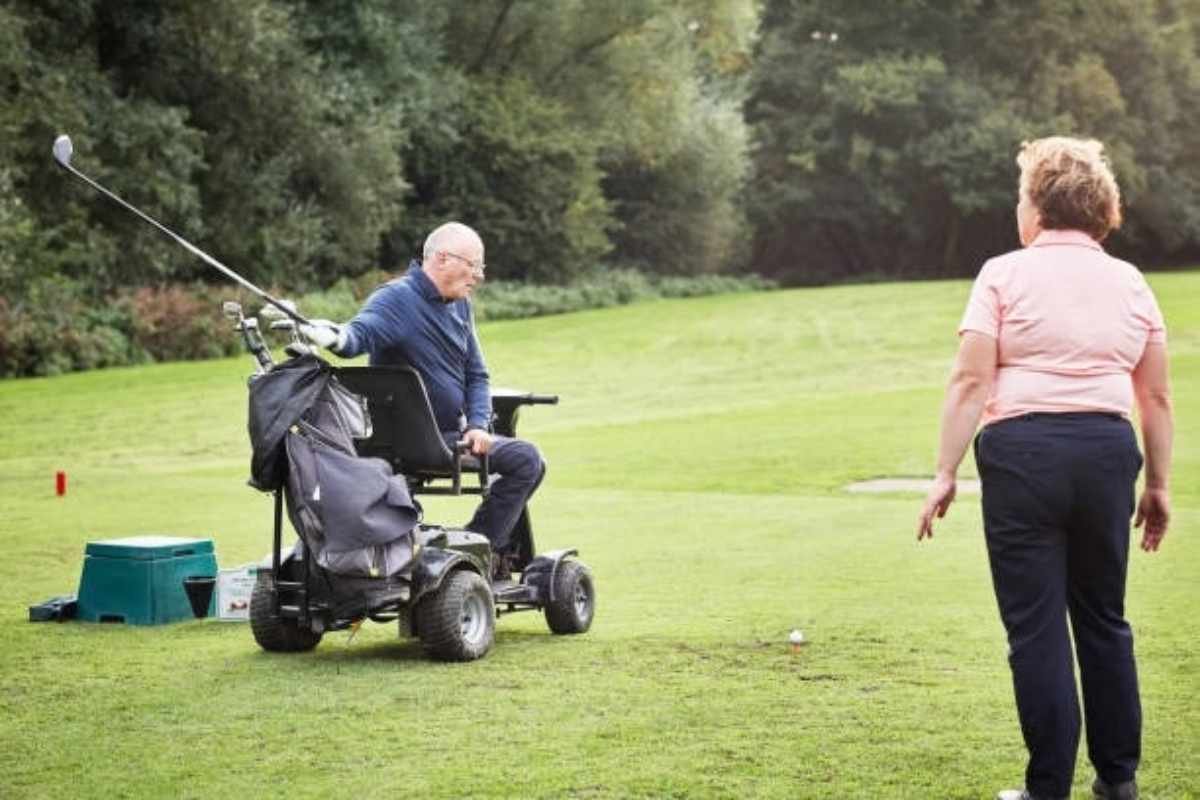
A golf-ready scooter is a rugged, stable, outdoor-ready machine that can handle grass, gentle hills, and uneven ground while carrying a person and often a golf bag. Unlike a standard indoor scooter, a good golf mobility scooter has larger wheels, stronger suspension, better ground clearance, and a more powerful motor.
Many people confuse a golf mobility scooter with a regular golf cart. A golf cart is a recreational vehicle, while a scooter is a medical mobility device designed around comfort, stability, and accessibility. This difference is important, because it affects where you can drive and what rights you have on the course.
Do Golf Courses Allow Mobility Scooters?
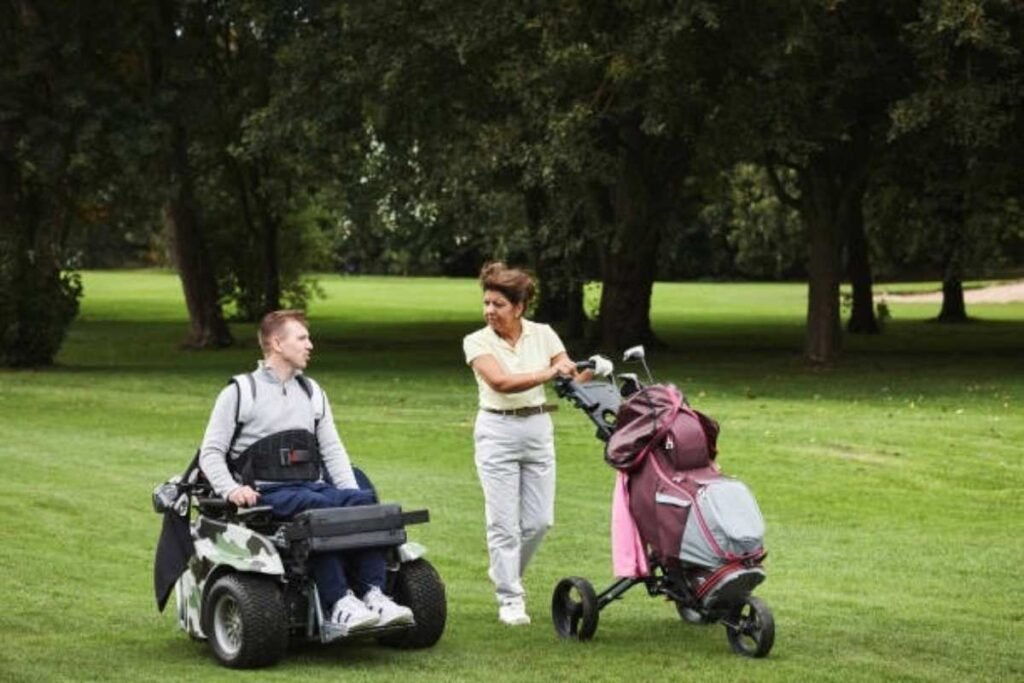
In the United States, the Americans with Disabilities Act (ADA) requires most public golf courses to make reasonable accommodations for golfers with disabilities. This includes allowing a power-driven mobility device in many situations. However, courses may restrict a golf mobility scooter if it damages turf or creates a safety risk.
Because of this, always call the pro shop before you arrive. Ask these questions:
- Do you allow a personal golf mobility scooter on the course?
- Are there areas, such as greens and tee boxes, where it is not permitted?
- Do you require a specific tire type or a maximum weight?
- Is there a cart-path-only rule on wet days?
Private clubs may follow different policies, so written permission is the safest route. Many golfers also discover that a quality scooter with wide, low-pressure tires is accepted more readily than a narrow-wheeled model.
Key Features to Look for in a Golf Mobility Scooter
Not every outdoor scooter qualifies as a true golf-ready model. Use this checklist before you buy.
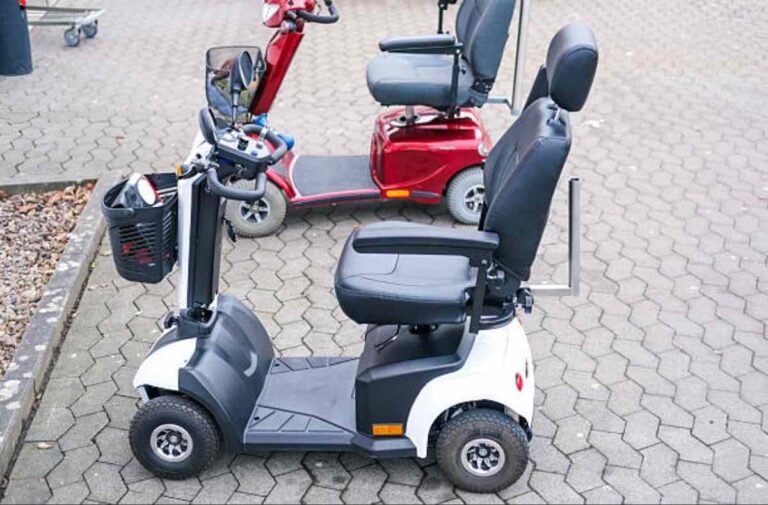
- Four wheels for stability: A four-wheel layout is far steadier on slopes than a three-wheel design, which makes a four-wheel golf mobility scooter the safer choice for hilly courses.
- Large pneumatic tires: Air-filled tires absorb bumps and spread weight, protecting both you and the grass.
- Ground clearance and suspension: Roots, divots, and ruts are everywhere on a course, so look for a golf mobility scooter with real suspension.
- Battery range: Eighteen holes can cover several miles, so choose a scooter with a strong battery and carry a charger.
- Weight capacity: Remember to include your golf bag and clubs in the total load.
- Swivel seat: A swivel seat lets you step off and swing comfortably.
- Bag and club storage: Some riders add a rear rack or attachment designed for a golf bag.
Best Golf Mobility Scooter Options Compared
Below is a quick comparison of five popular models that golfers and outdoor riders regularly consider. Always confirm the latest specs with the manufacturer, since models and features change over time.
| Model | Wheels | Terrain Handling | Best For | Golf Suitability |
|---|---|---|---|---|
| Pride Mobility Baja Raptor 2 | 4 | Excellent (all-terrain) | Hilly, uneven courses | Very High |
| Pride Mobility Baja Wrangler 2 | 4 | Excellent (rugged) | Heavier riders, rough ground | Very High |
| Pride Victory 10.2 | 4 | Good (light outdoor) | Flat, well-kept courses | Medium-High |
| Golden Buzzaround EX | 3 | Moderate | Practice greens, driving range | Medium |
| EV Rider TransPorter | 4 (travel) | Light outdoor | Travel and cart-path use | Medium |
As the table shows, the two Pride Baja models lead the pack for true course use, while the others suit lighter conditions.
Detailed Reviews of Each Model
1. Pride Mobility Baja Raptor 2
The Baja Raptor 2 is often called the closest thing to a purpose-built golf mobility scooter. It has an aggressive stance, large tires, and a suspension system that handles bumps well. If your home course has hills and rough patches, this golf mobility scooter is a top candidate.
2. Pride Mobility Baja Wrangler 2
The Baja Wrangler 2 is built for riders who need extra strength and durability. It is a heavy-duty scooter with a commanding presence and excellent traction. The trade-off is size, so you will need a vehicle ramp or lift to transport it.
3. Pride Victory 10.2
The Victory 10.2 is a comfortable, widely available four-wheel scooter. It is not a rugged off-road machine, but it works as an affordable golf mobility scooter for flat, well-maintained courses and cart paths.
4. Golden Buzzaround EX
The Buzzaround EX is lightweight and easy to disassemble. While it is not the best golf mobility scooter for hills, it is handy for practice areas and short rounds on flat ground.
5. EV Rider TransPorter
The TransPorter is a travel-friendly scooter that folds for transport. It is a practical backup if you want a portable option, but it is not a first-choice scooter for rough turf.
Pros and Cons of Using a Golf Mobility Scooter
Pros
- Lets you keep playing golf despite pain or limited stamina
- Reduces fatigue, so you can enjoy all eighteen holes
- Safer and steadier than walking on slopes if you have balance issues
- Owning your own scooter means no cart rental fees
- Quiet electric motor that will not disturb other players
Cons
- A quality golf mobility scooter can be expensive upfront
- Large models are heavy and hard to transport
- Some courses limit where a golf mobility scooter can go
- Battery care and charging are your responsibility
Tips for Using Your Scooter on the Course
Once you own a golf mobility scooter, a few habits will protect both you and the course.
- Stay off greens and tee boxes unless the course allows otherwise.
- Slow down on slopes and avoid sharp turns on side hills.
- Charge fully the night before every round.
- Check tire pressure regularly for a smooth ride and less turf damage.
- Be courteous, and let faster groups play through.
Following these simple rules helps keep courses welcoming to every scooter user.
Battery Care and Maintenance Tips
Good maintenance keeps any outdoor scooter reliable season after season. Charge the battery after every round, even if you only used a small portion of its power, and never leave it fully drained for weeks. Store the scooter in a dry garage, since moisture and extreme heat shorten battery life. Wipe grass clippings and mud from the wheels and underbody after each outing, and inspect the tires for cuts or low pressure. Lubricate moving parts as the manual recommends, and book a yearly service with an authorized dealer. A well-kept machine climbs slopes more easily, travels farther on a charge, and keeps its resale value, which matters when you are investing in a mobility device for the long term.
How Much Does a Golf Mobility Scooter Cost?
Prices vary widely. A basic outdoor scooter may cost a little over a thousand dollars, while a rugged all-terrain golf mobility scooter can cost several thousand. Consider financing options, and ask your doctor or insurer whether any part of the cost might be covered. Remember to budget for accessories such as a golf bag holder, weather cover, and extra battery.
Frequently Asked Questions About Golf Scooters
Can I use a regular mobility scooter on a golf course?
Sometimes, but a standard indoor scooter is not ideal. A true golf mobility scooter has the tires and suspension needed for grass.
Is a golf mobility scooter better than renting a cart?
If you play often, a personal scooter can save money and gives you a seat built around your needs.
How far can a golf mobility scooter travel on one charge?
It depends on the model, rider weight, and terrain. Check the manufacturer’s stated range, and expect less on hilly ground.
Will a scooter damage the turf?
Wide, low-pressure tires usually cause little harm. Still, follow course rules to protect the grass.
Do I need a license for a golf mobility scooter?
In most places, you do not need a license, but local rules vary, so verify before you ride.
Final Thoughts
A scooter can be life-changing. It keeps you active, social, and doing something you love. For hilly or rough courses, the Pride Baja Raptor 2 and Baja Wrangler 2 are the strongest picks. For flatter courses, the Pride Victory 10.2 offers good value. Whatever you choose, call your course first, test the scooter if possible, and enjoy the next round with your golf mobility scooter.