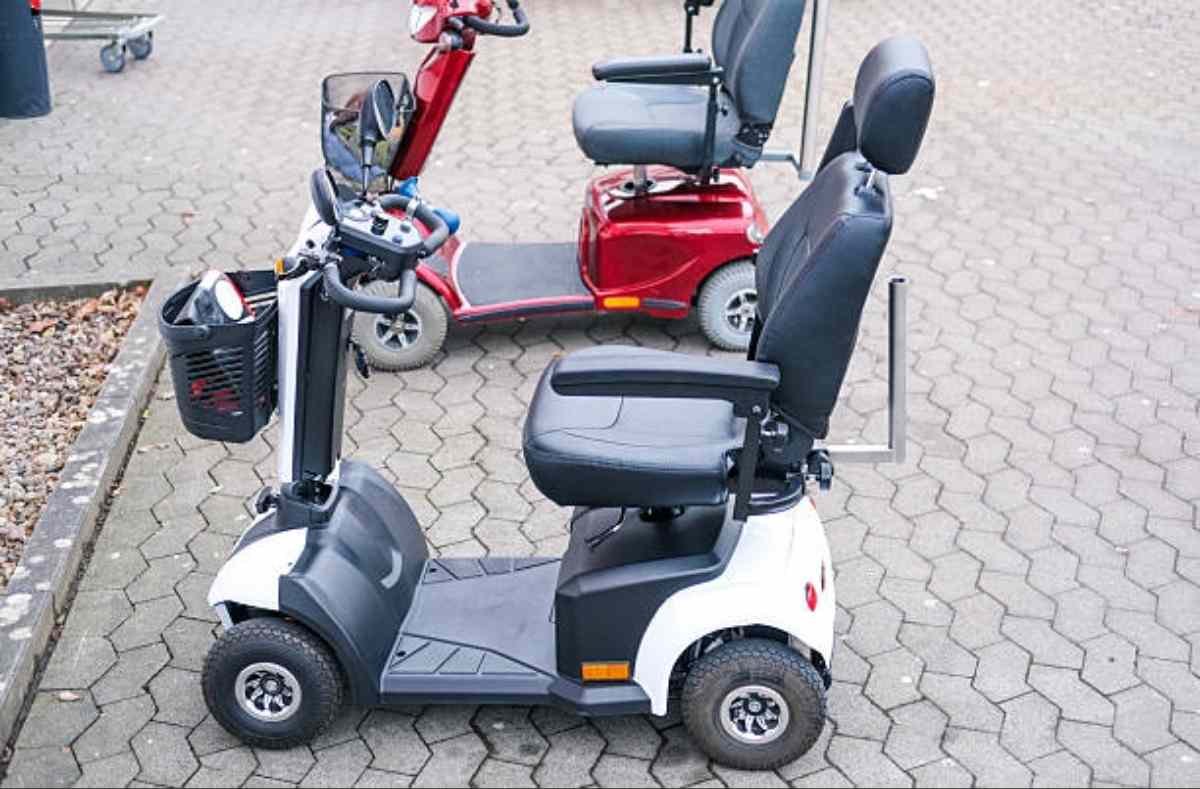
If you are shopping for a mobility scooter or power wheelchair, chances are you have already come across two of the biggest names in the industry: Drive Medical and Pride Mobility. Both brands have been trusted by hundreds of thousands of users across the United States, but the Drive Medical vs Pride Mobility debate is not as simple as picking whichever one shows up first on Amazon. Each company has its own manufacturing philosophy, warranty structure, and target customer, and the right choice depends entirely on your budget, your mobility needs, and how you plan to use the device day to day.
In this guide, we break down the Drive Medical vs Pride Mobility comparison across build quality, battery performance, pricing, warranty coverage, customer support, and portability, so you can make a confident, informed decision instead of guessing.
A Quick Look at Both Companies
Before diving into the Drive Medical vs Pride Mobility specs, it helps to understand where each brand comes from, because their histories shape how they design products today.
Drive Medical: Affordable, High-Volume Home Medical Equipment
Drive Medical was founded in the early 2000s and quickly grew into one of the largest home medical equipment manufacturers in the world. The company’s strategy has always centered on affordability and mass availability. You will find Drive Medical scooters, wheelchairs, walkers, and hospital beds in pharmacies, medical supply stores, and big-box retailers across the country. Their mobility scooters are generally positioned as budget-friendly, entry-level to mid-range options that still meet FDA-registered manufacturing standards.
Pride Mobility: Engineering-Focused, Premium Positioning
Pride Mobility, on the other hand, was founded in 1986 in Pennsylvania and has built its reputation on engineering-driven design. Pride owns its manufacturing facilities and invests heavily in research and development, which is why the brand is often associated with more advanced suspension systems, higher weight capacities, and longer-lasting batteries. Pride Mobility scooters, including the popular Go-Go and Victory series, tend to sit in the mid-range to premium price bracket.
Understanding this background is essential to the Drive Medical vs Pride Mobility conversation, because it explains almost every difference you will notice once you start comparing individual models. Keep this history in mind as we move through every category of the Drive Medical vs Pride Mobility comparison below.
Drive Medical vs Pride Mobility: Full Comparison Table
| Feature | Drive Medical | Pride Mobility |
|---|---|---|
| Founded | Early 2000s | 1986 |
| Price Range | Budget to mid-range | Mid-range to premium |
| Popular Models | Scout, Bobcat, Phoenix | Go-Go, Victory, Baja |
| Average Battery Range | 8–15 miles | 10–25 miles |
| Weight Capacity | Up to 350 lbs | Up to 500+ lbs |
| Warranty | 1–2 years (varies by model) | 2–5 years (varies by model) |
| Portability | Foldable and travel options available | Wide range from compact to heavy-duty |
| Customer Support | Retail-driven, third-party dealers | Strong dealer network with direct support |
This table gives you a bird’s-eye view of the Drive Medical vs Pride Mobility matchup, but let’s go deeper into what actually matters when you are the one sitting in the seat.


Build Quality and Materials
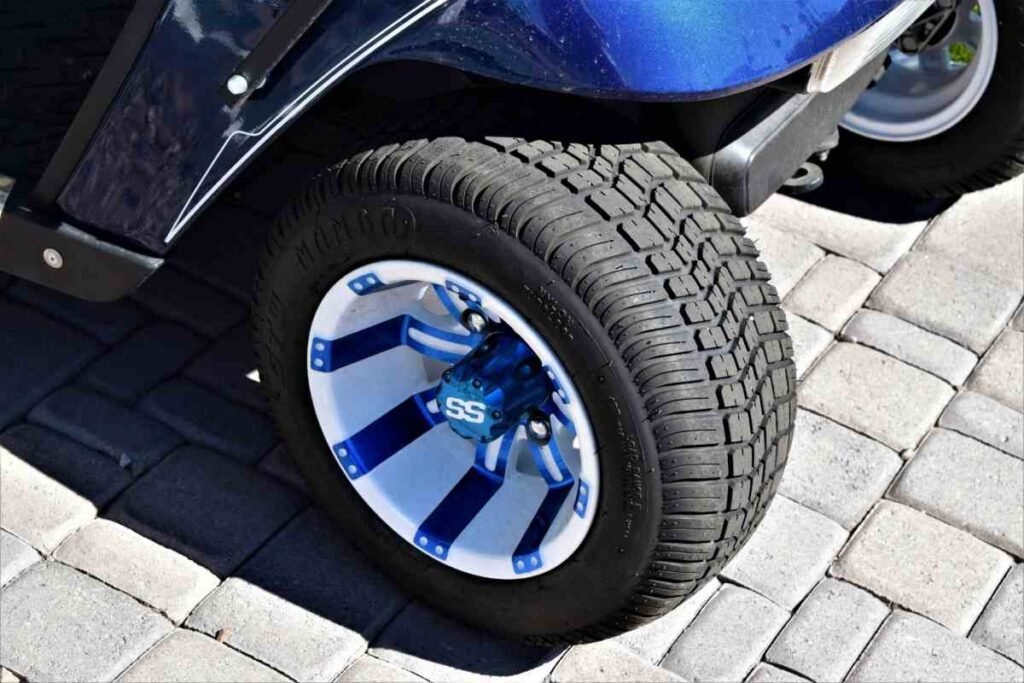
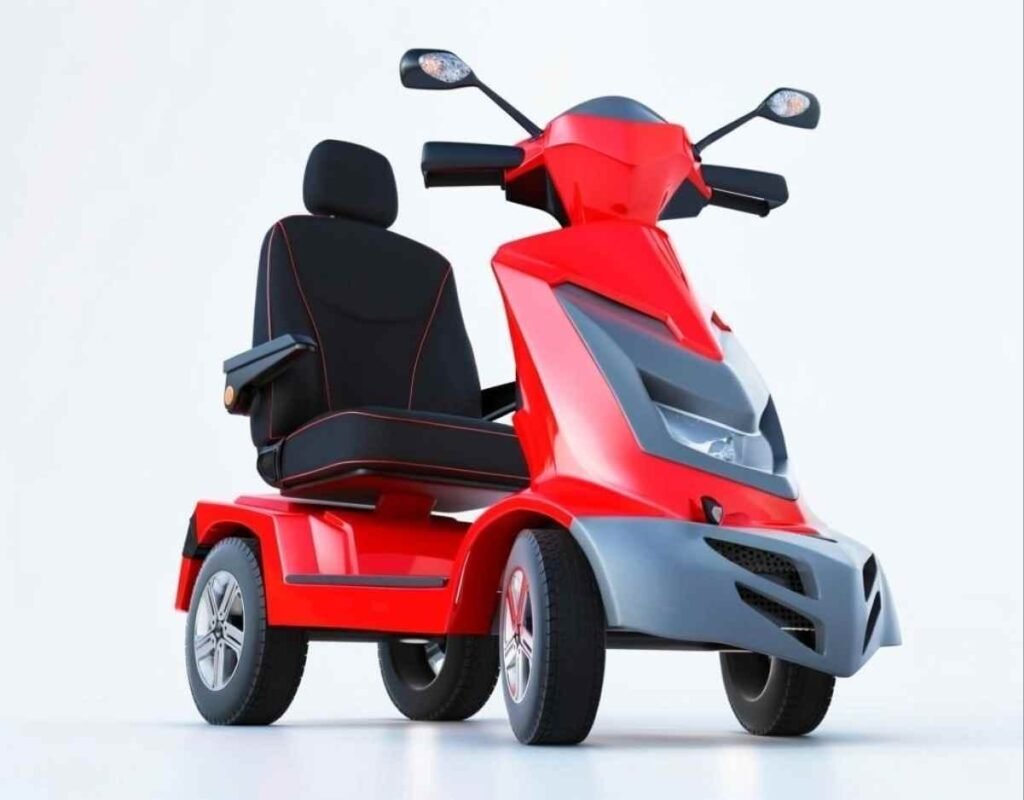
Build quality is often the first thing people notice once they start test-driving both brands side by side. When it comes to build quality, the Drive Medical vs Pride Mobility comparison starts to show real separation. Drive Medical scooters use lighter frame materials to keep costs down and improve portability, which works well for users who need something easy to fold and transport but don’t require heavy-duty durability. Pride Mobility, by contrast, tends to use reinforced steel frames and more robust suspension components, especially in models built for outdoor or all-terrain use.
If you are a larger-frame user or you plan to use your scooter on uneven sidewalks and gravel paths frequently, Pride Mobility’s sturdier construction is usually the safer bet in the Drive Medical vs Pride Mobility build quality race.
Battery Life and Range
Battery performance is one of the most commonly searched aspects of the Drive Medical vs Pride Mobility debate, and for good reason — nothing is more frustrating than a scooter that dies halfway through a grocery run.
Drive Medical’s entry-level scooters typically offer a range between 8 and 15 miles per charge, which is sufficient for short errands, doctor visits, and indoor use. Pride Mobility scooters generally push further, with several models rated between 10 and 25 miles depending on battery size and terrain. If long-distance travel or all-day outdoor use is a priority, Pride Mobility scooters usually have the edge in this part of the Drive Medical vs Pride Mobility comparison.
Price and Value for Money
Price is often the deciding factor in the Drive Medical vs Pride Mobility decision, and this is where Drive Medical genuinely shines. Because the company manufactures at a larger scale and focuses on cost efficiency, its scooters are frequently hundreds of dollars cheaper than comparable Pride Mobility models.
For someone on a tight budget, or someone who only needs occasional mobility assistance, Drive Medical delivers solid value without unnecessary extras. Pride Mobility’s higher price tag reflects its stronger materials, longer battery life, and more advanced features, which can absolutely be worth the investment for daily, heavy-duty users. In short, the Drive Medical vs Pride Mobility price gap is real, but so is the value difference behind it.
Warranty and Long-Term Support
Warranty coverage is another area where the Drive Medical vs Pride Mobility gap becomes noticeable. Drive Medical typically offers shorter warranty periods, often between one and two years depending on the specific component (frame, motor, battery).
Pride Mobility, aiming at a more premium customer base, frequently extends warranties up to five years on the frame and two to three years on electrical components. If long-term reliability and peace of mind matter more to you than upfront savings, Pride Mobility’s warranty structure is a meaningful advantage in the broader Drive Medical vs Pride Mobility ownership experience.
Portability and Travel-Friendliness
For frequent travelers, the Drive Medical vs Pride Mobility portability comparison matters a lot. Drive Medical has invested specifically in lightweight, foldable travel scooters designed to fit in car trunks and meet airline cabin requirements. These models are excellent for users who need to disassemble their scooter regularly.
Pride Mobility also offers portable options, such as the Go-Go series, but its lineup leans more heavily toward mid-size and heavy-duty scooters that prioritize stability and range over ultra-light portability. This is one of the clearer trade-offs in the Drive Medical vs Pride Mobility portability discussion.
Customer Support and Dealer Network
Pride Mobility has built an extensive authorized dealer network across the country, which means users often have access to local service centers for repairs, maintenance, and parts replacement. This hands-on support system is a major selling point for elderly users or families who want a physical location to visit if something goes wrong.
Drive Medical, being more retail-focused, relies more on third-party sellers and online support, which can be convenient but sometimes slower when it comes to warranty claims or technical issues. This support gap is worth weighing carefully in the Drive Medical vs Pride Mobility decision, especially for elderly or first-time users.
Pros and Cons Summary: Drive Medical vs Pride Mobility
Drive Medical Pros:
- Lower upfront cost
- Lightweight, travel-friendly models available
- Widely available in pharmacies and retail stores
- FDA-registered manufacturing
Drive Medical Cons:
- Shorter warranty periods
- Lower weight capacity on most models
- Less robust build for rough terrain
Pride Mobility Pros:
- Stronger build quality and higher weight capacity
- Longer battery range on most models
- Extended warranty coverage
- Strong dealer and service network
Pride Mobility Cons:
- Higher price point
- Heavier models can be harder to transport
- Fewer ultra-budget options
Drive Medical vs Pride Mobility: Which One Should You Choose?
The honest answer to the Drive Medical vs Pride Mobility question depends on your personal situation:
- Choose Drive Medical if: you need a budget-friendly scooter for occasional or short-distance use, you travel frequently and need a lightweight foldable design, or you are buying your first mobility scooter and want to test the waters without a major investment.
- Choose Pride Mobility if: you rely on your scooter daily, you need a higher weight capacity or longer battery range, you plan to use it primarily outdoors, or long-term warranty protection is a priority for you.
Neither brand is objectively “better” in every category — it genuinely comes down to matching the scooter to your lifestyle, budget, and physical needs. Once you weigh these factors, the Drive Medical vs Pride Mobility choice usually becomes much clearer.
Frequently Asked Questions About Drive Medical vs Pride Mobility
Is Pride Mobility better than Drive Medical? Pride Mobility generally offers stronger build quality, longer battery range, and better warranty coverage, but Drive Medical is more affordable and often lighter for travel. The better brand depends on your specific needs.
Which brand has a longer warranty, Drive Medical or Pride Mobility? Pride Mobility typically offers longer warranties, sometimes up to five years on the frame, compared to Drive Medical’s one- to two-year coverage on most models.
Are Drive Medical scooters good quality? Yes, Drive Medical scooters are FDA-registered and reliable for everyday, lighter use, though they are generally built with lighter materials than Pride Mobility’s heavy-duty lineup.
Which is more affordable, Drive Medical or Pride Mobility? Drive Medical is usually the more budget-friendly option, thanks to its large-scale manufacturing and retail-focused distribution model.
Can I get replacement parts easily for both brands? Pride Mobility’s dealer network makes parts and service easier to access locally, while Drive Medical parts are more commonly sourced online or through medical supply retailers.
Which brand is better for outdoor use? Pride Mobility is generally better suited for outdoor and all-terrain use due to its reinforced frames, higher weight capacity, and longer battery range.
Is there a clear winner in the Drive Medical vs Pride Mobility comparison? There is no universal winner in the Drive Medical vs Pride Mobility comparison — Drive Medical wins on price and portability, while Pride Mobility wins on durability, range, and warranty coverage.
Final Verdict
At the end of the day, the Drive Medical vs Pride Mobility decision isn’t about which company is “best” — it’s about which company builds the scooter that fits your life. If affordability and portability top your list, Drive Medical is a smart, budget-conscious choice.
If you need durability, range, and long-term support for daily use, Pride Mobility is likely worth the extra investment. Whichever you choose, make sure to test ride if possible, confirm weight capacity against your needs, and always check warranty terms before you buy. That’s really the heart of the Drive Medical vs Pride Mobility decision.



2 Comments