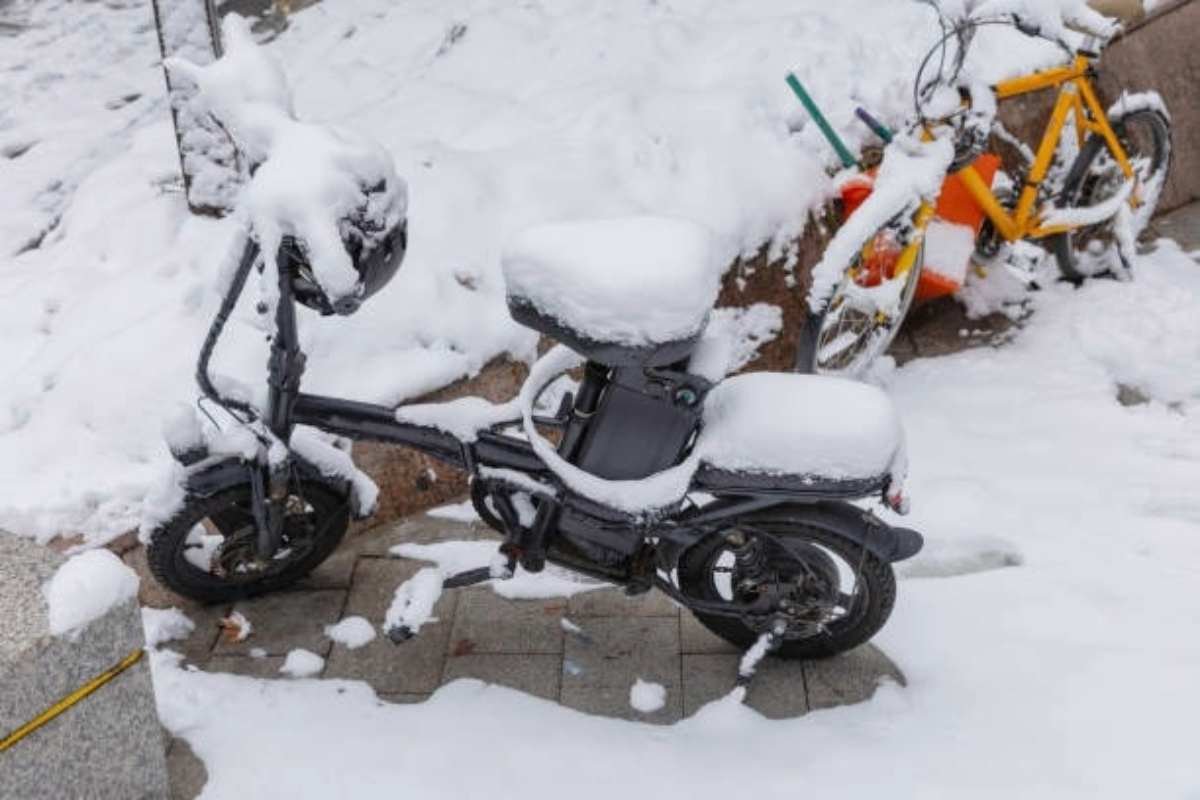
Winter does not have to mean staying indoors. If you rely on a scooter to get around, you have probably wondered whether a mobility scooter for snow actually exists, or whether you are stuck waiting for spring. The honest answer is a little nuanced. No standard scooter is built to plow through deep drifts, but the right mobility scooter for snow can handle light snowfall, slushy sidewalks and cold-weather errands safely, as long as you pick the right model and ride smart.
In this guide, we break down exactly what to look for in a mobility scooter for snow, which models perform best, how cold weather affects your battery, and the safety habits that keep you upright and independent all winter long. We also include a comparison table with real brand names so you can shop with confidence.
Can You Use a Mobility Scooter for Snow Safely?
Let’s be direct: a mobility scooter for snow has limits. Most scooters are designed for pavement, indoor floors and light outdoor use. Manufacturers generally do not rate their products for deep snow or icy surfaces, and riding in those conditions can void warranties or put you at risk of a fall.
That said, a capable mobility scooter for snow can work well in these situations:
- Light dustings of fresh snow (up to roughly an inch or two)
- Cleared, salted sidewalks and parking lots
- Packed snow on flat, predictable paths
- Short trips such as the pharmacy, mailbox or grocery store
What you should avoid, even with the best winter-ready model, is deep powder, black ice, steep icy slopes and unplowed streets. Think of your scooter as a winter-friendly commuter, not a snowmobile. When conditions turn dangerous, staying home or using a ride service is always the smarter call.
What Makes a Good Mobility Scooter for Snow?
Not every model is suited to winter. When comparing a mobility scooter for snow, focus on these features.
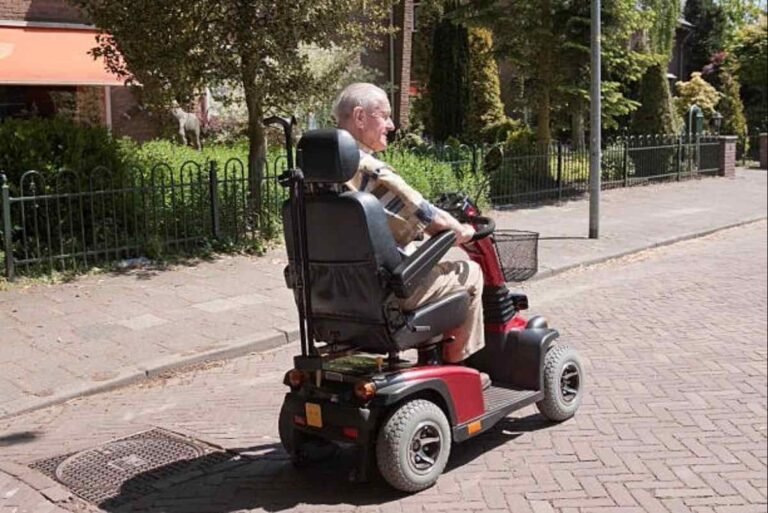
Four-Wheel Stability
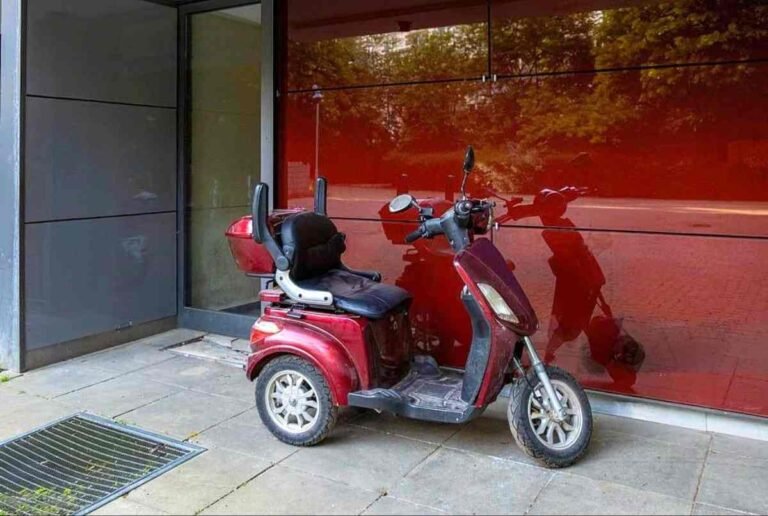
Three-wheel scooters turn tightly, but they are less stable on slippery ground. A four-wheel design spreads weight more evenly, which makes a four-wheel design the safer starting point for most riders.
Ground Clearance
Snow piles up under the deck. More clearance lets the scooter ride over slush and packed snow without bottoming out. If you want a dependable winter ride, check the manufacturer’s stated clearance and favor higher numbers.
Tires and Traction
Pneumatic (air-filled) tires with a deeper tread grip far better than small solid tires. Many riders searching for winter transport overlook this, yet tires are the single biggest factor in winter traction. Pneumatic tires also soften bumps from frozen ruts.
Motor Power and Battery Capacity
Moving through wet snow takes more energy than rolling on dry pavement. A stronger motor and a larger battery give the scooter the reserve it needs, especially since cold air reduces battery output.
Weight and Build Quality
A heavier, sturdier frame stays planted in wind and on uneven ground. Look for a steel or reinforced frame, sealed electronics and a solid brake system when choosing a winter scooter.
Lights and Visibility
Winter days are short and snowfall cuts visibility. Bright headlights, reflectors and a flag make any scooter easier for drivers to see.
Best Mobility Scooter for Snow: Comparison Table
The table below compares five popular models that riders commonly consider for winter riding. Specifications vary by configuration, so always confirm current details with the manufacturer or an authorized dealer before buying.
| Model | Wheels | Tire Type | Winter Suitability | Best For |
|---|---|---|---|---|
| Pride Baja Wrangler 2 | 4 | Pneumatic, rugged tread | Strongest option for light snow and slush | Rough, uneven winter terrain |
| Pride Baja Raptor 2 | 4 | Pneumatic, rugged tread | Very good on packed snow | Outdoor use with a larger frame |
| Pride Victory 10.2 | 4 | Pneumatic | Good on cleared, salted paths | Everyday errands and neighborhood rides |
| EV Rider TransPorter | 4 | Solid or foam-filled style | Fair, best on cleared surfaces | Travel and car transport |
| Golden Buzzaround EX | 3 | Solid | Limited, best for short, dry-ish trips | Light use and tight spaces |
Top Picks: Reviews of Each Mobility Scooter for Snow
1. Pride Baja Wrangler 2: Best Overall Mobility Scooter for Snow
The Pride Baja Wrangler 2 is built as an outdoor, off-road style scooter, and that heritage makes it the standout mobility scooter for snow in this list. Its four-wheel layout, rugged tires and sturdy frame handle light snow, slush and frozen ruts better than compact models. It is larger and heavier, so you will need a ramp or lift for transport, but for riders who actually face winter weather, it is the most confidence-inspiring choice.
2. Pride Baja Raptor 2: Best for Packed Snow
If the Wrangler is not quite the right fit, the Pride Baja Raptor 2 offers a similar rugged approach. Riders who want an outdoor-ready winter scooter often choose this model for its stable stance and traction-friendly design. It handles packed snow and cleared trails well, though like every option here, it should not be pushed into deep drifts.
3. Pride Victory 10.2: Best Balanced Pick
The Pride Victory 10.2 is not a dedicated off-road machine, but it remains a popular pick for snow-free or lightly snowy days thanks to its comfortable seat, solid build and dependable pneumatic tires. It shines on cleared, salted sidewalks and neighborhood routes, making it a sensible choice if your winters are mild.
4. EV Rider TransPorter: Best for Travel
The EV Rider TransPorter is designed for portability, which means it trades some rugged capability for convenience. For winter use, it works best on plowed and salted surfaces for short trips. Its strength is that it breaks down for the car, so you can drive to a cleared destination and ride from there.
5. Golden Buzzaround EX: Best for Light Duty
The Golden Buzzaround EX is a compact, easy-to-handle scooter. Its small size and solid tires make it the weakest mobility scooter for snow on this list, so treat it as an option only for brief, cleared-path trips. It is much better suited to indoor spaces, malls and dry weather.
Pros and Cons of Using a Mobility Scooter for Snow
Pros
- Keeps you independent and active during winter months
- Lets you reach stores, pharmacies and appointments without relying on others
- Rugged four-wheel models offer real stability on light snow
- Many winter-friendly models include strong lighting and brakes
- Reduces the isolation that cold weather can cause
Cons
- No scooter handles deep snow or ice safely
- Cold temperatures reduce battery range and charging performance
- Road salt can corrode metal parts and electronics
- Wet conditions may stress seals and connections
- Warranties may not cover damage from harsh winter use
How Cold Weather Affects Your Mobility Scooter for Snow
Battery performance is the biggest hidden challenge. Most scooters use sealed lead-acid or lithium batteries, and both lose capacity when temperatures drop. A scooter that normally travels a long distance on a summer day may deliver noticeably less range in freezing weather.
To protect your battery and range:
- Store and charge the scooter indoors at room temperature.
- Charge after every ride rather than waiting for the battery to run low.
- Plan shorter trips and keep a buffer so you never get stranded.
- Avoid charging a freezing-cold battery immediately; let it warm up first.
- Carry a charged phone in case you need help.
Treating the battery well is the foundation of owning any winter scooter, and it also extends overall battery life.
Safety Tips for Riding a Mobility Scooter for Snow
Good habits matter more than any feature. Follow these tips every time you head out on your mobility scooter for snow:
- Slow down. Reduce speed well below normal so you can stop in time.
- Brake early and gently. Sudden braking on slippery ground can cause skids.
- Avoid ice entirely. If a surface looks glossy, turn around.
- Take hills carefully. Snowy slopes are one of the most common causes of tip-overs.
- Dress warmly. Gloves that still let you operate the controls are essential.
- Check the forecast. Skip rides during storms, freezing rain or heavy snowfall.
- Stay visible. Use lights, reflectors and bright clothing.
- Tell someone your route. Let a family member know where you are going.
Following these rules turns a risky ride into a manageable one and keeps your scooter performing safely.
Maintenance After Riding Your Mobility Scooter for Snow
Winter use demands extra care. After each trip:
- Wipe away snow, slush and salt with a damp cloth.
- Dry the frame, wheels and connectors thoroughly.
- Inspect tires for wear and check air pressure, since cold lowers it.
- Check brakes, lights and controls before the next ride.
- Keep the scooter in a dry, indoor space, never outside overnight.
A little attention after each ride dramatically extends the life of your scooter and protects your investment.
Accessories That Improve a Mobility Scooter for Snow
A few add-ons can make winter riding more comfortable:
- Weather cover: Shields the seat and controls from snow while parked.
- Hand muffs: Keep hands warm without limiting control.
- Lap blanket or windproof throw: Adds warmth on longer rides.
- Extra lighting and reflectors: Improves visibility in low light.
- Anti-slip foot mat: Prevents slipping off wet footboards.
Choosing a few of these accessories can transform an average scooter into a far more winter-ready ride.
Buying Guide: How to Choose Your Mobility Scooter for Snow
Before you buy, ask yourself these questions:
- How often will I really ride in snow, and how deep does it get?
- Do I have a ramp, lift or garage to store and transport it?
- What is my weight and the weight I need to carry?
- Will I need to disassemble the scooter for the car?
- What is my budget, including accessories and a cover?
If you face frequent snowfall, lean toward a rugged four-wheel option. If winters are mild and you mostly use cleared sidewalks, a more compact scooter may be enough. Whatever you choose, test drive it when possible, since comfort and control matter as much as specifications when selecting a mobility scooter for snow.
Frequently Asked Questions About Mobility Scooter for Snow
Can a regular mobility scooter be used in snow?
A regular model can handle a very light dusting on cleared paths, but it is not designed for real snow. A rugged four-wheel model is a better choice if you expect winter conditions.
Is it safe to ride a mobility scooter on ice?
No. Ice is the biggest hazard for any rider. Even the best winter scooter cannot guarantee traction on ice, so avoid it completely.
Will cold weather damage my scooter battery?
Cold does not usually destroy a battery, but it reduces range and charging efficiency. Storing your scooter indoors helps preserve performance.
How deep can snow be before I should stay home?
As a general rule, anything beyond a couple of inches is too much. If the snow reaches the underside of the scooter, it is not safe for any model.
Do snow tires or chains exist for mobility scooters?
Some riders look at tire options with better tread, and availability depends on the model. Check with your dealer, because modifications can affect safety and warranty on a mobility scooter for snow.
Does insurance or the warranty cover winter damage?
Policies vary widely. Read your warranty carefully and ask the dealer whether weather-related damage is covered for your mobility scooter for snow.
Final Thoughts: Choosing the Right Mobility Scooter for Snow
A mobility scooter for snow can help you stay independent through the colder months, but it works best when you understand its limits. Choose a stable four-wheel design with strong tires and good ground clearance, protect your battery, and ride only on cleared or lightly snowy surfaces. The Pride Baja Wrangler 2 and Baja Raptor 2 lead the pack for rugged winter use, while the Victory 10.2, EV Rider TransPorter and Golden Buzzaround EX suit milder conditions and shorter trips.
Whichever model you pick, remember that the safest mobility scooter for snow is the one you ride with caution. Slow down, stay visible, and never take risks on ice. With the right preparation, winter becomes just another season to enjoy.
One Comment