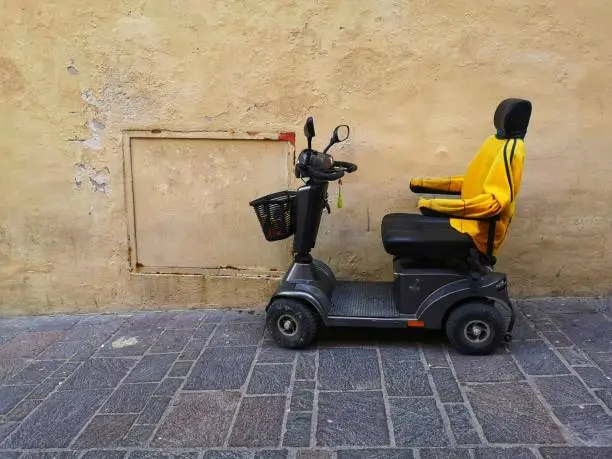
Best Mobility Scooter Cobblestone: What You Need to Know Before You Buy
If you live near a historic downtown, a European-style plaza, or an old neighborhood with brick-paved sidewalks, you already know the problem: most scooters simply aren’t built for that kind of surface. Every seam and gap sends a jolt through the frame, and after a few blocks your wrists, back, and hips are paying the price. That’s exactly why so many riders start searching for the best mobility scooter cobblestone instead of settling for a general-purpose model that struggles the moment the pavement turns rough.
This guide breaks down what actually matters when picking a mobility scooter cobblestone, which features separate a smooth ride from a bone-rattling one, and which models hold up best once you take them off flat, predictable pavement.
Why Cobblestone Terrain Is So Hard on Standard Scooters
Cobblestone isn’t just “uneven” — it’s a repeating pattern of small bumps, gaps, and height changes packed close together. A scooter built for smooth sidewalks and mall floors hits each stone as a separate impact. Multiply that by hundreds of stones over a single street, and you get constant vibration, reduced control, and a much higher risk of tipping on an angled edge.
This is the core reason a regular mobility scooter cobblestone often disappoints buyers. It’s not that the scooter is poorly made — it’s that it was never engineered for this kind of terrain in the first place. Riders who ignore this and buy a basic indoor-style scooter usually end up shopping again within a year.
Key Features to Look For in a Mobility Scooter Cobblestone
Not every outdoor mobility scooter is actually cobblestone-ready. Here’s what separates the ones that hold up from the ones that don’t.
1. Full or Dual Suspension
Suspension is the single biggest factor in comfort on rough ground. A mobility scooter cobblestone should ideally have front and rear suspension, not just a cushioned seat. Front suspension absorbs the initial shock of hitting a raised stone, while rear suspension keeps the back wheels planted so you don’t lose traction mid-turn.

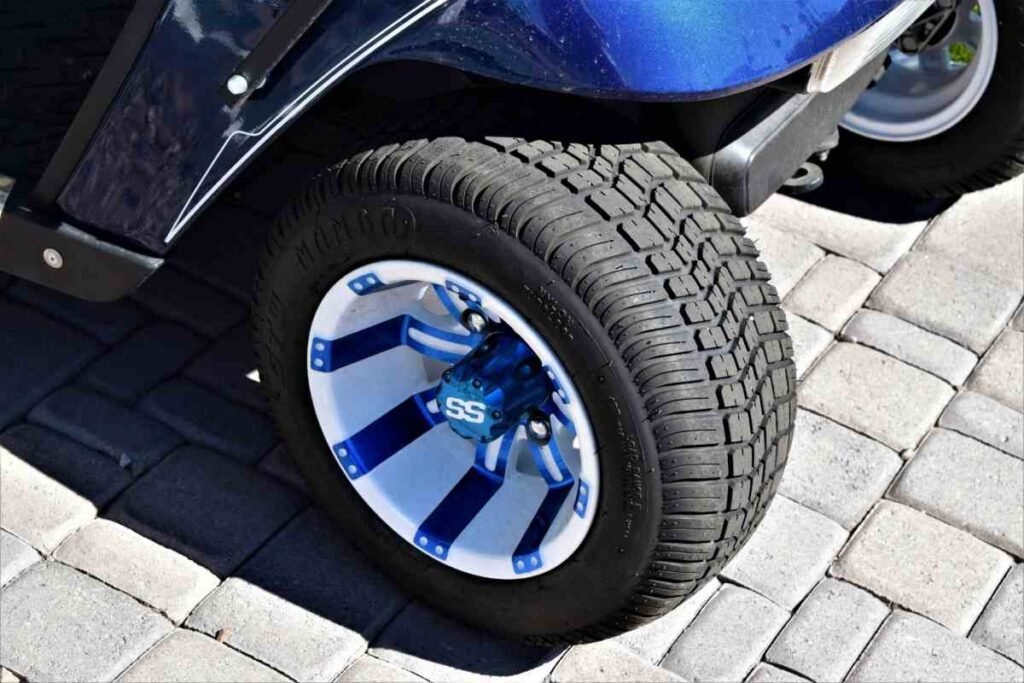
2. Larger, Pneumatic Tires
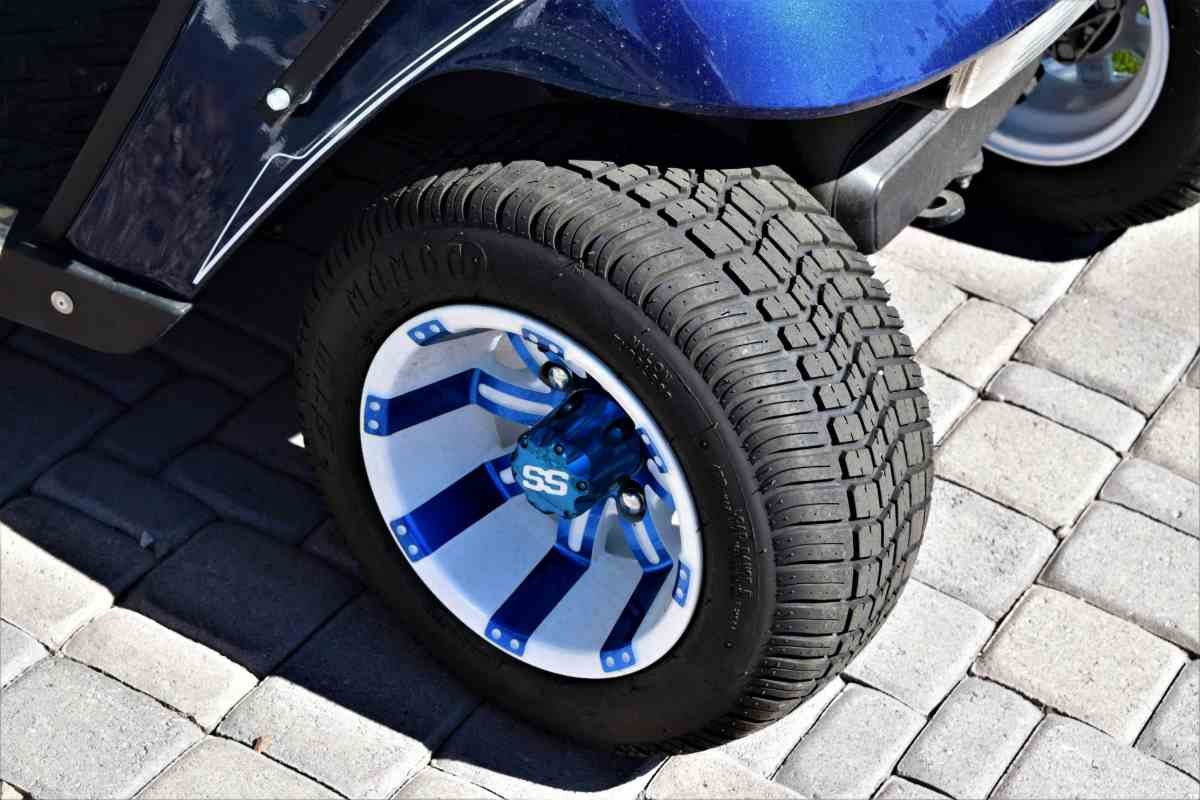
Solid tires are low-maintenance but transmit every bump straight to the frame. Pneumatic (air-filled) tires flex slightly on impact, which makes a real difference when you’re riding a mobility scooter cobblestone on a daily basis. Look for a tire diameter of at least 10–13 inches for outdoor stability.
3. Higher Ground Clearance
Ground clearance of 3 inches or more helps the scooter clear raised or uneven stones without scraping the undercarriage. This is a spec many first-time buyers overlook, but it matters just as much as suspension when choosing a mobility scooter cobblestone.
4. Motor Power and Torque
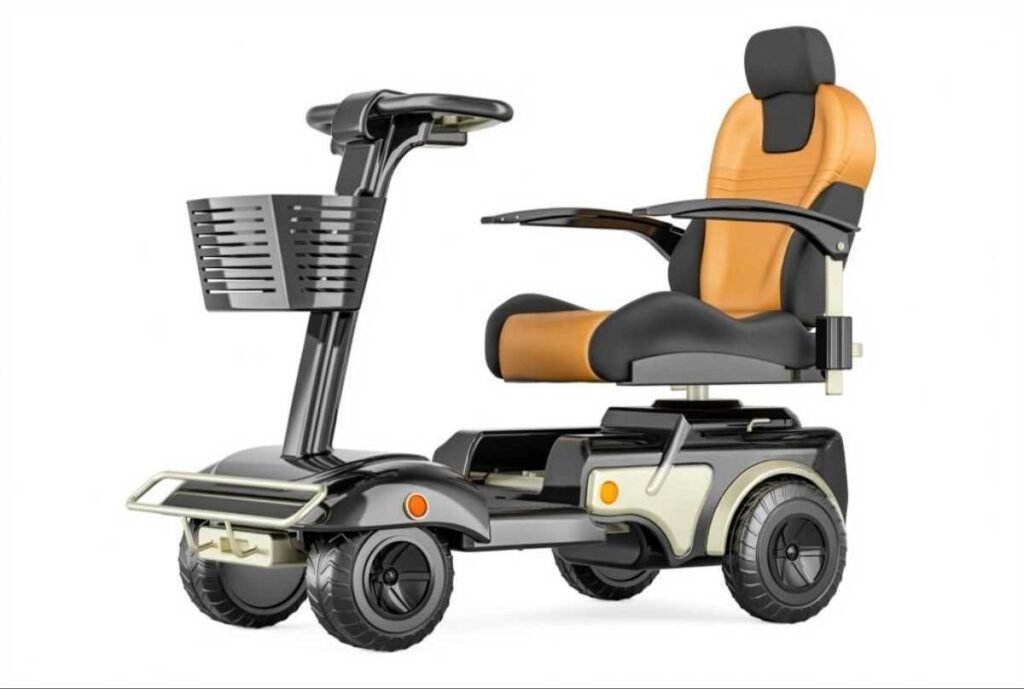
Cobblestone streets are often slightly sloped for drainage. A scooter needs enough torque to maintain steady speed on these mild inclines without straining. A 4-wheel mobility scooter with at least 300–400 watts of motor power tends to handle these conditions far better than budget 250-watt models.
5. A Stable Wheelbase
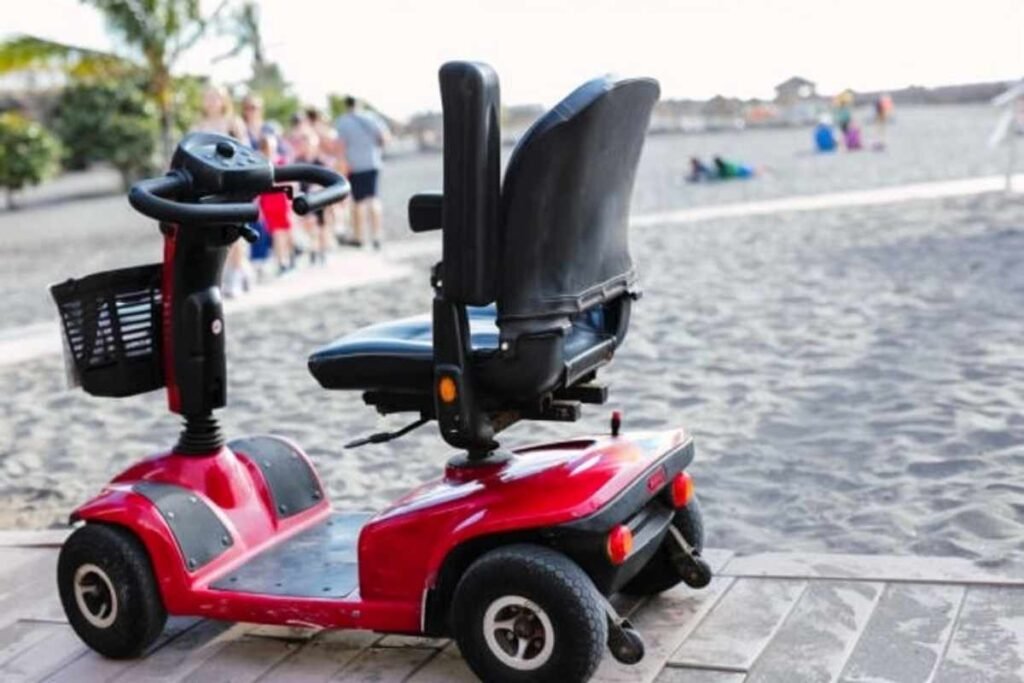
A longer wheelbase and wider stance reduce the chance of tipping when one wheel dips into a gap between stones while the others stay elevated. This is one more reason a heavy duty mobility scooter, rather than a compact travel model, usually performs better on cobblestone.
3-Wheel vs 4-Wheel: Which Handles Cobblestone Better?
This is one of the most common questions buyers ask before choosing a mobility scooter cobblestone, so it’s worth addressing directly.
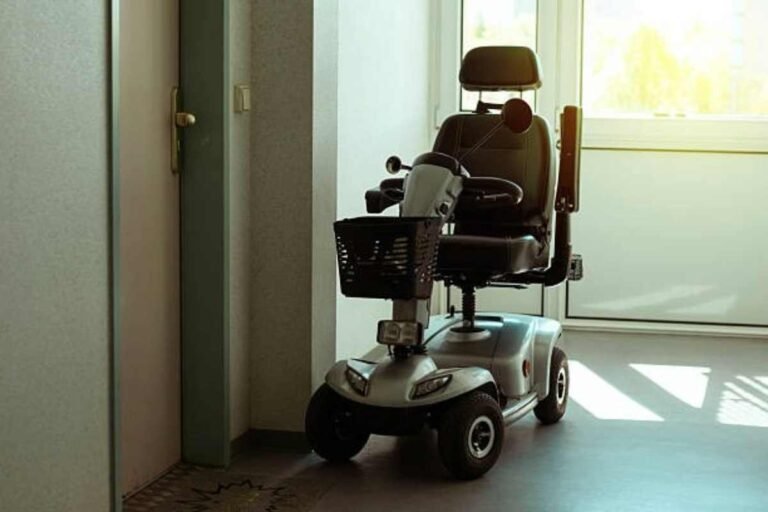
3- wheel scooters offer a tighter turning radius, which is great indoors or in narrow spaces. But their single front wheel is more prone to catching in gaps between cobblestones, and they’re generally less stable on angled or cambered surfaces.
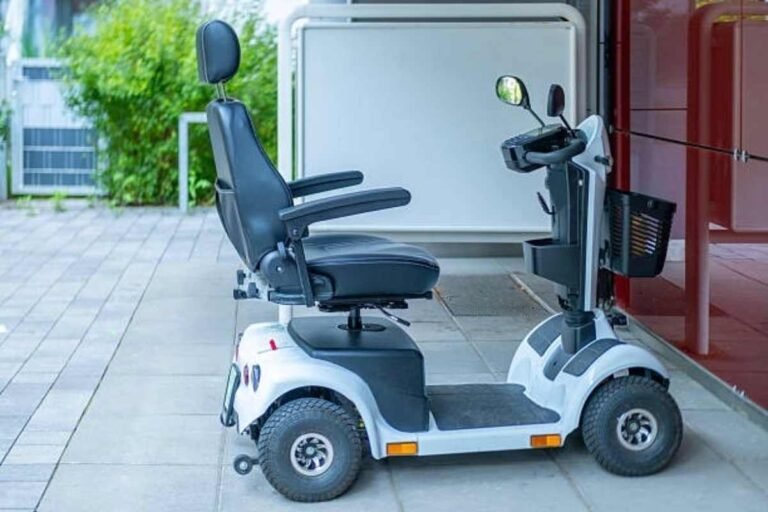
4-wheel scooters distribute weight more evenly across four contact points, which makes them noticeably steadier on cobblestone, gravel, and uneven pavement. For anyone regularly riding a mobility scooter cobblestone rather than smooth indoor floors, a 4-wheel design is almost always the safer choice.
Best Mobility Scooter Cobblestone: Top Picks Compared
| Feature | Best Overall | Best Value | Best Heavy Duty |
|---|---|---|---|
| Suspension | Full front & rear | Front only | Full front & rear |
| Tire Type | Pneumatic, 13″ | Semi-pneumatic, 10″ | Pneumatic, 14″ |
| Ground Clearance | 3.5″ | 2.8″ | 4″ |
| Motor Power | 400W | 300W | 500W |
| Weight Capacity | 400 lbs | 300 lbs | 500 lbs |
| Best For | Daily outdoor use | Occasional rough terrain | Larger riders, extended range |

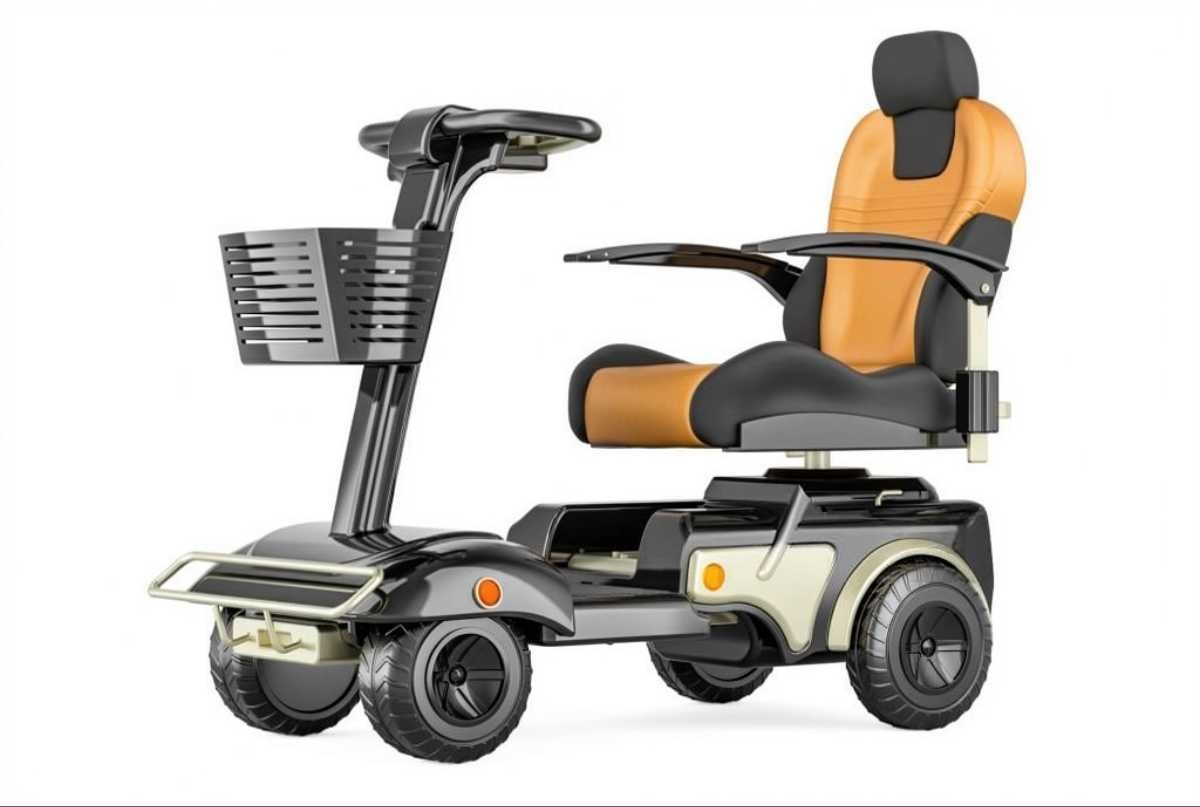
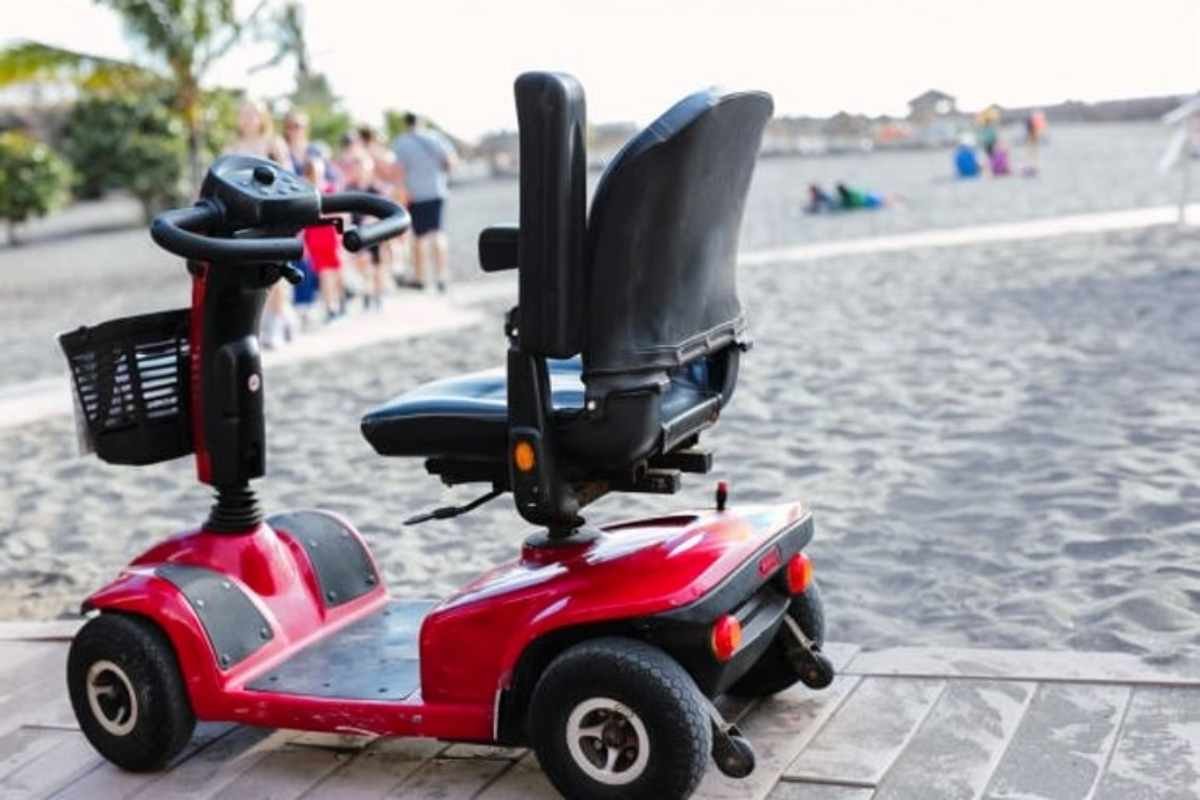
Each of these options was chosen specifically because it holds up as a mobility scooter cobblestone rather than just performing well on paper. When comparing specs on a retailer’s page, always check for real suspension travel numbers, not just the word “suspension” in the description — some budget models use the term loosely.
Tips for Riding Safely on Cobblestone and Uneven Pavement
Even the best mobility scooter cobblestone performs better with the right riding habits:
- Slow down before uneven patches. Reducing speed gives the suspension time to absorb each bump properly instead of bouncing through it.
- Approach gaps at an angle, not head-on, when possible, to reduce the chance of a wheel catching.
- Keep tire pressure checked weekly if you’re using pneumatic tires — underinflated tires reduce both comfort and control.
- Avoid wet cobblestone when you can. Stone surfaces get slippery fast, and traction drops significantly in rain.
- Test the scooter on a short rough patch before committing to a long route, especially with a new mobility scooter cobblestone you haven’t ridden before.
Common Mistakes Buyers Make
- Choosing a compact travel scooter for daily cobblestone use. These are designed for portability, not terrain absorption, and riders often regret the choice within weeks.
- Ignoring tire type. Solid tires are fine for smooth sidewalks but a poor match for anyone who needs a mobility scooter cobblestone on a regular basis.
- Overlooking weight capacity. A scooter running near its max load loses stability faster on uneven ground.
- Skipping a test ride on rough terrain. Specs matter, but nothing replaces actually feeling how the suspension responds to real bumps.
Frequently Asked Questions
Is a 4-wheel scooter always better for cobblestone streets? Not always, but for most riders a 4-wheel mobility scooter cobblestone offers more stability than a 3-wheel model, especially on angled or cambered stone surfaces.
Do I need full suspension, or is front suspension enough? Front suspension helps, but full front-and-rear suspension gives noticeably better comfort and control if you’re riding a mobility scooter cobblestone regularly rather than occasionally.
What tire size is best for rough, uneven terrain? Most all-terrain mobility scooter models use 10–14 inch pneumatic tires, which handle cobblestone and gravel far better than smaller solid tires — a key reason they’re often labeled as a mobility scooter cobblestone in the first place.
Can I use a regular indoor scooter on cobblestone occasionally? For a single short trip it’s usually fine, but if you’ll be crossing rough stone paving often, a purpose-picked mobility scooter cobblestone will save you both discomfort and repair costs over time.
How much does a good cobblestone-capable scooter cost? Expect to pay more than a basic indoor model — heavy duty mobility scooter options with real suspension and larger tires typically start higher, but the comfort and safety difference is worth it for daily outdoor use.
How Cobblestone Compares to Other Rough Surfaces
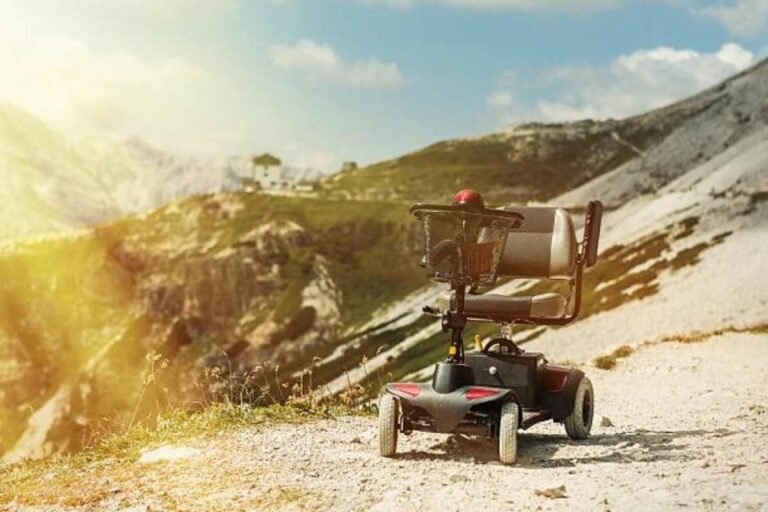
It helps to understand that cobblestone isn’t the only tricky surface a mobility scooter cobblestone needs to handle well. Gravel driveways, cracked sidewalks, and grassy park paths all demand similar traits — good suspension, larger tires, and steady ground clearance. If you’re shopping for a mobility scooter cobblestone specifically, you’re really shopping for an all-terrain mobility scooter that happens to excel on stone paving. That’s good news, because it means the same model will usually serve you well on multiple types of outdoor terrain, not just one street near your home.
Buyers sometimes assume they need a specialized, cobblestone-only scooter. In reality, no such niche category exists — what you actually want is a well-built mobility scooter cobblestone that scores high across suspension, tires, and clearance, since those same qualities carry over to almost any uneven outdoor surface you’re likely to encounter.
How Often Should You Service a Scooter Used on Rough Terrain
Riding a mobility scooter cobblestone on a regular basis puts more strain on suspension components, bearings, and tires than smooth-pavement use does. A quick monthly check of tire pressure, suspension bolts, and battery terminals goes a long way toward keeping the ride comfortable and preventing early wear. Riders who use their mobility scooter cobblestone daily should plan on a professional tune-up roughly twice a year, compared to once a year for scooters used mostly indoors or on flat paths.
Final Thoughts
Cobblestone and uneven brick streets aren’t going away, and neither should your independence. The right mobility scooter cobblestone comes down to a short checklist: real suspension, pneumatic tires, solid ground clearance, and a stable four-wheel base. Skip any one of these and you’ll feel it on every ride. Get them right, and rough terrain stops being a reason to stay home.