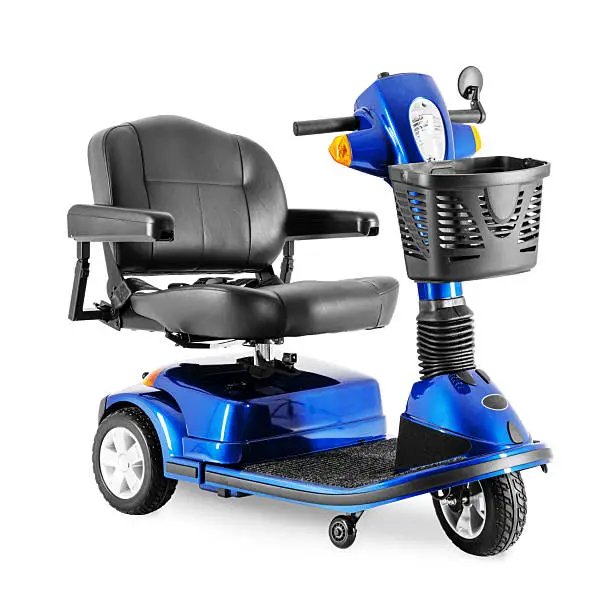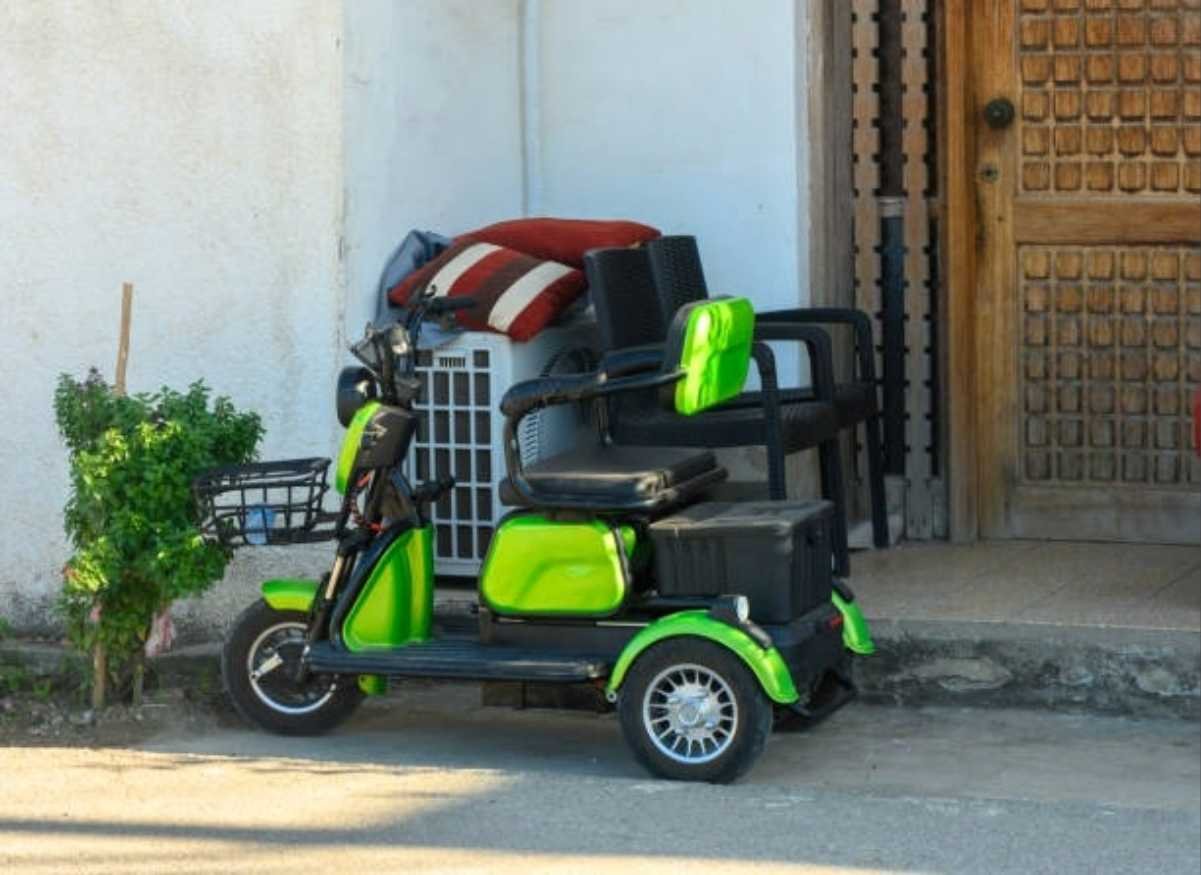
Finding the right mobility scooter for heavy riders is not the same as picking any regular scooter off a shelf. Standard models are built around an average 250–300 lb rider, and pushing them past that limit puts real strain on the motor, the frame, and the batteries. If you weigh more than 300 lbs, you need a machine engineered from the ground up to carry that load safely, day after day, without the wobble, sag, or premature part failure that under-built scooters develop.
In this guide we break down exactly what separates a true mobility scooter for heavy riders from a scooter that simply says “heavy duty” on the box, compare four real bariatric-rated models side by side, walk through the buying mistakes most people make, and answer the questions heavier riders ask most before buying.
Who Actually Needs a Mobility Scooter for Heavy Riders
Not every buyer searching for a mobility scooter for heavy riders falls into the same category. Some are recovering from surgery and need short-term support at a higher body weight. Others live with arthritis, COPD, or balance issues on top of carrying extra weight, which makes a sturdier, wider base a safety requirement rather than a comfort preference. And some simply want an outdoor scooter that won’t feel undersized or unstable the moment they sit down. In every one of these cases, the right mobility scooter for heavy riders is the one whose rated capacity, seat width, and motor power all comfortably exceed daily needs rather than just meeting them.
Why a Regular Scooter Won’t Cut It
A mid-size travel scooter is designed to be light and foldable, which almost always means a smaller motor, a narrower frame, and thinner tires. Put a 300+ lb rider on one of these and several things happen: the suspension bottoms out on rough pavement, the motor overheats faster on hills, and the frame welds take stress they were never rated for. That’s why every reputable mobility scooter for heavy riders starts with a reinforced steel frame and a motor sized for the higher load, not a lightweight frame with a bigger battery bolted on.
Manufacturers rate every unit with a maximum weight capacity, and that number is not a suggestion — it’s a safety limit tested under real riding conditions. Buying a mobility scooter for heavy riders that sits comfortably above your actual body weight, rather than right at the limit, gives you a margin of safety plus room for groceries, a bag, or winter clothing.
What to Look For in a Mobility Scooter for Heavy Riders
1. Weight Capacity With Room to Spare
The single most important spec is weight capacity. A good rule of thumb when shopping for a mobility scooter for heavy riders is to leave at least 50–75 lbs of buffer between your body weight and the scooter’s rated maximum, so the motor and suspension aren’t operating at their absolute ceiling on every ride.
2. Seat Width and Depth
A wider, deeper seat matters as much as the weight rating itself. Look for a captain’s-style seat at least 20 inches wide, with flip-up armrests that make transferring on and off easier. Several bariatric models offer optional 22-inch or even 24-inch seats, which is a detail worth checking before buying any mobility scooter for heavy riders online.
3. Motor Power and Battery Size
A heavier rider demands more torque, especially on inclines. A dependable mobility scooter for heavy riders typically pairs a 400–1,400 watt motor with larger 12V batteries so power and range don’t drop off once real-world weight is added.
4. Frame Construction and Suspension
Reinforced steel chassis, dual front/rear suspension, and larger pneumatic tires all help distribute weight and absorb shock, which reduces long-term wear on the frame and gives a smoother ride over uneven sidewalks or gravel.
5. Ground Clearance and Tire Size
Bigger 9–14 inch tires and higher ground clearance let a heavy-duty unit roll over curbs, cracked pavement, and grass without bottoming out — something a lightweight travel scooter simply can’t do once weight increases.
Common Mistakes When Buying a Mobility Scooter for Heavy Riders
Many buyers make the same avoidable errors when shopping for a mobility scooter for heavy riders. The first is buying right at the weight limit instead of leaving a safety buffer, which shortens motor and battery life. The second is ignoring seat width in favor of price, which leads to discomfort on longer rides. The third is skipping tire and suspension specs entirely, assuming any scooter labeled “heavy duty” performs the same outdoors. Avoiding these three mistakes alone will steer you toward a genuinely capable heavy-duty bariatric scooter rather than one that only looks the part on paper.
Comparison Table: Top Mobility Scooters for Heavy Riders
| Model | Weight Capacity | Motor | Seat Width | Best For |
|---|---|---|---|---|
| Pride Mobility Victory 10.2 | 400 lbs | Standard DC drive, up to 5.2 mph | 18″–20″ | Everyday outdoor use with easy disassembly |
| Drive Medical Panther 4-Wheel Heavy Duty | 425 lbs | Rear-wheel drive, 14″ pneumatic tires | 22″ | Rougher terrain and extra stability |
| Golden Technologies BuzzAround Extreme | 350 lbs | 320-watt motor, spring suspension | 18″ x 16″ | Compact but sturdy indoor/outdoor mix |
| AFIKIM Afiscooter S4 HD | Up to 600 lbs | 1,400-watt motor, full suspension | 24″ (captain’s seat) | Riders needing the highest available capacity |
Each of these was built specifically as a mobility scooter for heavy riders, not adapted after the fact, which is why their frames, motors, and tires are consistently oversized compared to a standard mid-range scooter.
Top Picks in Detail
Pride Mobility Victory 10.2 remains one of the most popular choices for a dependable mobility scooter for heavy riders in the 400 lb range. It offers feather-touch disassembly for transport, an 8-point swivel seat, LED lighting, and a respectable 11–13.5 mile range, making it a solid all-rounder for errands and neighborhood use for anyone comparing a mid-tier mobility scooter for heavy riders.
Drive Medical Panther 4-Wheel Heavy Duty pushes capacity slightly higher to 425 lbs and pairs it with 14-inch pneumatic tires and front-and-rear suspension, which makes it noticeably more comfortable on cracked sidewalks, gravel driveways, and grass than lighter units — a meaningful upgrade for riders who spend more time outdoors.
Golden Technologies BuzzAround Extreme sits at 350 lbs capacity but earns its place because of how much stability it packs into a semi-compact frame, with a 320-watt motor, comfort spring suspension, and a stadium-style seat that stays supportive on longer outings, making it a practical mobility scooter for heavy riders who also want portability.
AFIKIM Afiscooter S4 HD is the heavyweight champion of this list, rated up to 600 lbs on the HD trim with a 1,400-watt motor and full round suspension. For riders who need the absolute highest available capacity in a mobility scooter for heavy riders, this is the model to look at first.
Pros and Cons of Bariatric Mobility Scooters
Pros
- Built with reinforced frames that hold up over years of daily use
- Wider, more supportive seating reduces fatigue on longer trips
- Bigger tires and better suspension handle outdoor terrain confidently
- Stronger motors maintain speed and range even at higher rider weight
Cons
- Heavier overall unit weight makes transport and storage harder
- Higher price point than standard mid-size scooters
- Larger footprint may not fit through every doorway or elevator
- Some models require a larger vehicle or a scooter lift for transport
Frequently Asked Questions
What is the highest weight capacity available on a mobility scooter for heavy riders? Several bariatric models now reach 500–600 lbs, with the AFIKIM Afiscooter S4 HD sitting at the top of that range among widely available options for a mobility scooter for heavy riders.
Is a 3-wheel or 4-wheel scooter better for heavier riders? A 4-wheel design is generally the safer choice for a mobility scooter for heavy riders because it distributes weight across a wider base and offers better stability, especially outdoors.
Do heavy-duty scooters need bigger batteries? Yes. Because a heavier rider draws more power from the motor, a properly built mobility scooter for heavy riders pairs its higher wattage motor with larger-capacity batteries to preserve range.
How much buffer should I leave below the maximum weight rating? Most mobility specialists recommend staying 50–75 lbs under the rated maximum so a mobility scooter for heavy riders isn’t running at its absolute limit on every trip.
Are heavy-duty scooters harder to transport? They can be. A true mobility scooter for heavy riders is built with a sturdier, often heavier frame, so check disassembled piece weight and your vehicle’s lift capacity before buying.
Can a mobility scooter for heavy riders still be used indoors? Yes, though the wider turning radius on many bariatric models means measuring doorways and hallways first is worth doing before committing to a specific mobility scooter for heavy riders.
Final Thoughts
Choosing the right mobility scooter for heavy riders comes down to matching weight capacity, motor power, seat size, and terrain handling to how and where you’ll actually use it. Whether that’s the everyday reliability of the Pride Victory 10.2, the rugged comfort of the Drive Medical Panther, the compact strength of the Golden BuzzAround Extreme, or the maximum-capacity AFIKIM Afiscooter S4 HD, there’s a genuinely bariatric-rated option for every body type rather than a compromise built for someone smaller.