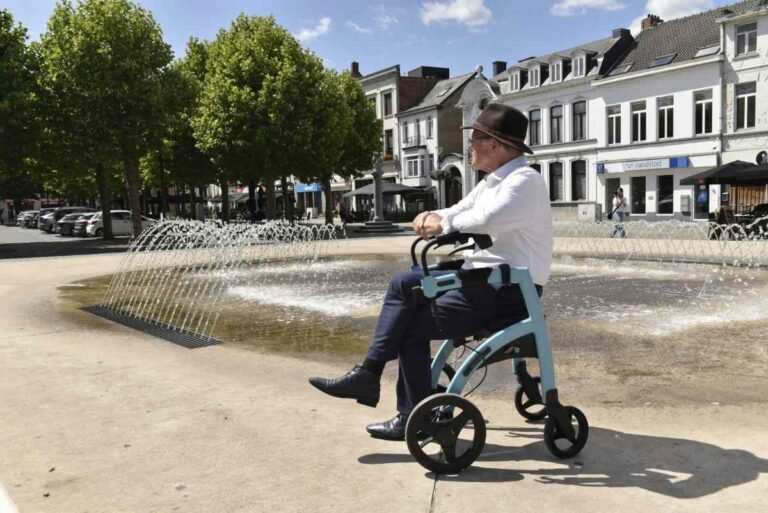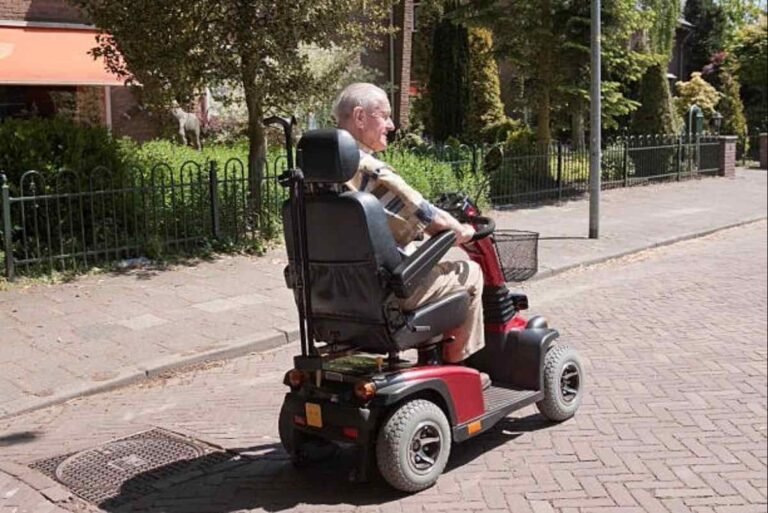
If you’re shopping for a new ride, one of the first questions that comes up is about mobility scooter speed. Buyers want to know exactly how fast their new scooter will move before they hand over their money, and honestly, that’s a smart question to ask. This affects everything from how you commute around your neighborhood to whether your scooter is even legal to ride on certain roads or sidewalks. In this guide, we’ll break down real mobility scooter speed numbers from trusted brands, explain what affects it, and help you pick a model that matches your lifestyle.
Why Mobility Scooter Speed Matters More Than You Think
Most people assume all scooters move at roughly the same pace, but that’s far from true. Mobility scooter speed can range from a gentle 3.5 mph on compact travel scooters all the way up to 12 mph or more on heavy-duty outdoor models. That’s a massive difference when you’re trying to keep up with a fast-walking companion, cross a busy street before the light changes, or simply get from your house to the mailbox and back without feeling rushed.
Understanding mobility scooter speed before you buy also helps you avoid two common mistakes: overpaying for speed you’ll never use, or underbuying and ending up frustrated with a scooter that feels sluggish on your daily routes. Getting the balance right starts with knowing how fast do mobility scooters go across different categories.
What Affects Mobility Scooter Speed?
Several factors combine to determine mobility scooter speed, and understanding them will help you read spec sheets like a pro.
Motor power. A stronger motor, usually measured in watts, generally means higher mobility scooter speed and better performance on inclines. Entry-level scooters often use 250-300 watt motors, while heavy-duty models can pack 500-1000 watts or more.
Wheel size and type. Larger wheels, especially pneumatic (air-filled) tires, tend to support higher mobility scooter speed and a smoother ride over uneven terrain compared to small solid tires designed mainly for indoor use.
Battery type and charge level. A fully charged, high-capacity battery keeps mobility scooter speed consistent, while a low or aging battery can cause a scooter to slow down noticeably, especially uphill.
Scooter class and design. Travel and folding scooters are built for portability rather than mobility scooter top speed, so they’re intentionally capped lower. Full-size outdoor and all-terrain scooters are engineered for higher top speeds because they’re meant to cover longer distances.
Rider weight and terrain. Carrying more weight, tackling hills, or riding on grass and gravel will all reduce your effective top speed compared to the manufacturer’s flat-ground rating.
Mobility Scooter Speed by Category
Not every scooter is designed to go fast, and that’s actually a good thing. Here’s a general breakdown of typical mobility scooter speed ranges by category:
- Compact travel scooters: 3.5 to 4 mph. Built for indoor use, malls, and short errands.
- Mid-size scooters: 4.5 to 6 mph. A comfortable middle ground for neighborhood trips and light outdoor use.
- Full-size outdoor scooters: 7 to 9 mph. Better suited for longer commutes and mixed terrain.
- Heavy-duty and all-terrain scooters: 9 to 12+ mph. Designed for rural areas, farms, and riders who need serious ground coverage.
Keep in mind that these numbers reflect flat, dry conditions with a fully charged battery. Real-world mobility scooter speed will vary based on the factors we covered above.
Real Brand Comparison: Mobility Scooter Speed by Model
To make this practical, here’s how mobility scooter speed compares across some of the most trusted names in the mobility industry.
| Brand & Model | Top Speed | Motor Power | Battery Range | Best For |
|---|---|---|---|---|
| Pride Mobility Victory 10.4 | 8 mph | 400W | Up to 20 miles | Outdoor daily use |
| Golden Technologies Buzzaround EX | 4 mph | 270W | Up to 12 miles | Travel and light errands |
| Drive Medical Scout Compact | 4 mph | 265W | Up to 8 miles | Indoor and short trips |
| EV Rider TranSport Plus | 4 mph | 270W | Up to 12 miles | Folding portability |
| Shoprider Streamer Sport | 5.5 mph | 320W | Up to 17 miles | Neighborhood cruising |
| AFIKIM Afiscooter S3 | 9.3 mph | 550W (dual motor) | Up to 25 miles | Heavy-duty outdoor use |
As the table shows, mobility scooter speed climbs steadily as you move from compact travel models toward heavy-duty, dual-motor designs like the AFIKIM Afiscooter S3. If you mainly need something for tight indoor spaces, a 4 mph model from Golden Technologies or Drive Medical is plenty. If you’re covering longer outdoor distances regularly, the Pride Mobility Victory 10.4 or AFIKIM Afiscooter S3 will keep pace with your day far better.
Is There a Legal Speed Limit for Mobility Scooters?
This is where mobility scooter speed intersects with the law, and the answer depends on where you live and where you’re riding.
In the United States, there’s no single federal mobility scooter speed limit, but most manufacturers voluntarily cap sidewalk-use scooters around 4 to 8 mph to match pedestrian safety expectations. Some states and municipalities do set their own rules for scooters used on public roads or bike lanes, so it’s worth checking local regulations, especially if you’re considering a model with a higher mobility scooter top speed.
In the UK, Class 2 scooters (pavement use) are legally limited to 4 mph, while Class 3 scooters (road use) can travel up to 8 mph. This legal framework is a good example of how speed and scooter classification go hand in hand — the faster the scooter, the more likely it needs road registration and additional safety features like lights and indicators.
If you’re unsure what applies in your area, it’s always smart to check with your local transportation authority before buying a scooter based purely on its top speed rating.
How to Choose the Right Speed for Your Needs
Picking the right mobility scooter speed isn’t about getting the fastest model on the market — it’s about matching the scooter to how and where you’ll actually use it.
If you mostly stay indoors or run quick errands nearby, a 4 mph scooter like the Drive Medical Scout Compact or Golden Technologies Buzzaround EX will feel perfectly adequate and easier to maneuver in tight spaces. If you split your time between home and community outings, a mid-range option like the Shoprider Streamer Sport strikes a nice balance of comfort and speed without sacrificing portability.
For riders who live in rural areas, have larger properties, or simply want to cover more ground quickly, a heavy-duty scooter such as the AFIKIM Afiscooter S3 or Pride Mobility Victory 10.4 offers the higher mobility scooter speed and battery range needed for those longer trips.
Pros and Cons of Higher Mobility Scooter Speed
Pros:
- Covers longer distances in less time, useful for errands, work commutes, or larger properties
- Better performance on inclines and rougher terrain
- Often paired with larger tires and suspension for a smoother ride
- Typically comes with a longer battery range to match the added power
Cons:
- Higher mobility scooter speed models are usually heavier and less portable
- May require registration or additional safety features depending on local laws
- Higher top speeds generally mean a higher price tag
- Faster scooters can feel harder to control for new riders or those with limited hand strength
Frequently Asked Questions
How fast do mobility scooters go on average? Most mobility scooters average between 4 and 8 mph, with compact indoor models on the slower end and heavy-duty outdoor scooters reaching the higher end of that range.
What is the fastest mobility scooter speed available? Some heavy-duty and all-terrain models, like the AFIKIM Afiscooter S3, reach top speeds close to 9 to 12 mph, making them among the fastest options for everyday consumer use.
Can I increase my mobility scooter’s speed? Modifying a scooter’s motor or speed settings beyond manufacturer specifications can void your warranty and create safety risks, so it’s best to choose a model with your desired mobility scooter speed from the start rather than trying to modify one later.
Does battery level affect mobility scooter speed? Yes. A partially drained or aging battery will noticeably reduce your scooter’s speed, particularly on inclines, so keeping your battery charged and in good condition helps maintain consistent performance.
Is a faster mobility scooter better? Not necessarily. The best mobility scooter speed for you depends on your typical routes, terrain, and comfort level, not just the highest number on a spec sheet.
Final Thoughts
Mobility scooter speed is one of the most important specs to understand before buying, right alongside battery range and weight capacity. Whether you go with a compact 4 mph model from Golden Technologies or a heavy-duty 9+ mph option from AFIKIM, matching the scooter’s speed to your real-world needs will make a much bigger difference in your day-to-day satisfaction than chasing the highest number available. Take a look at your typical routes, check your local speed regulations, and pick the speed that actually fits your life.