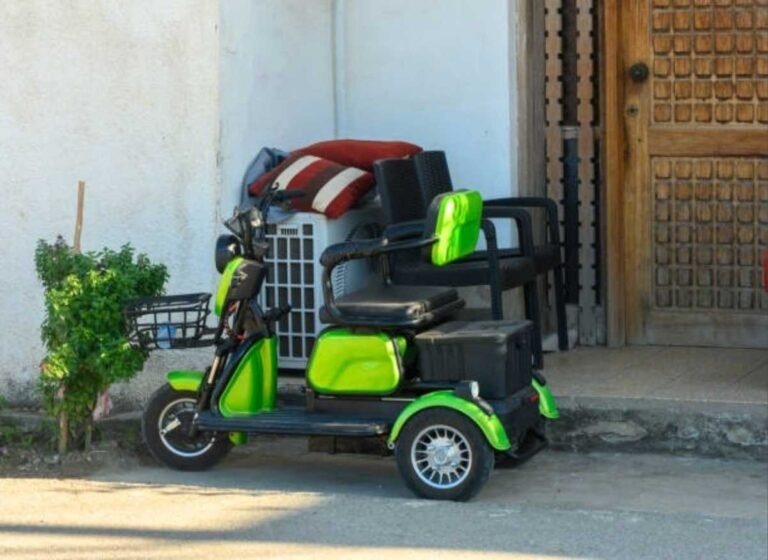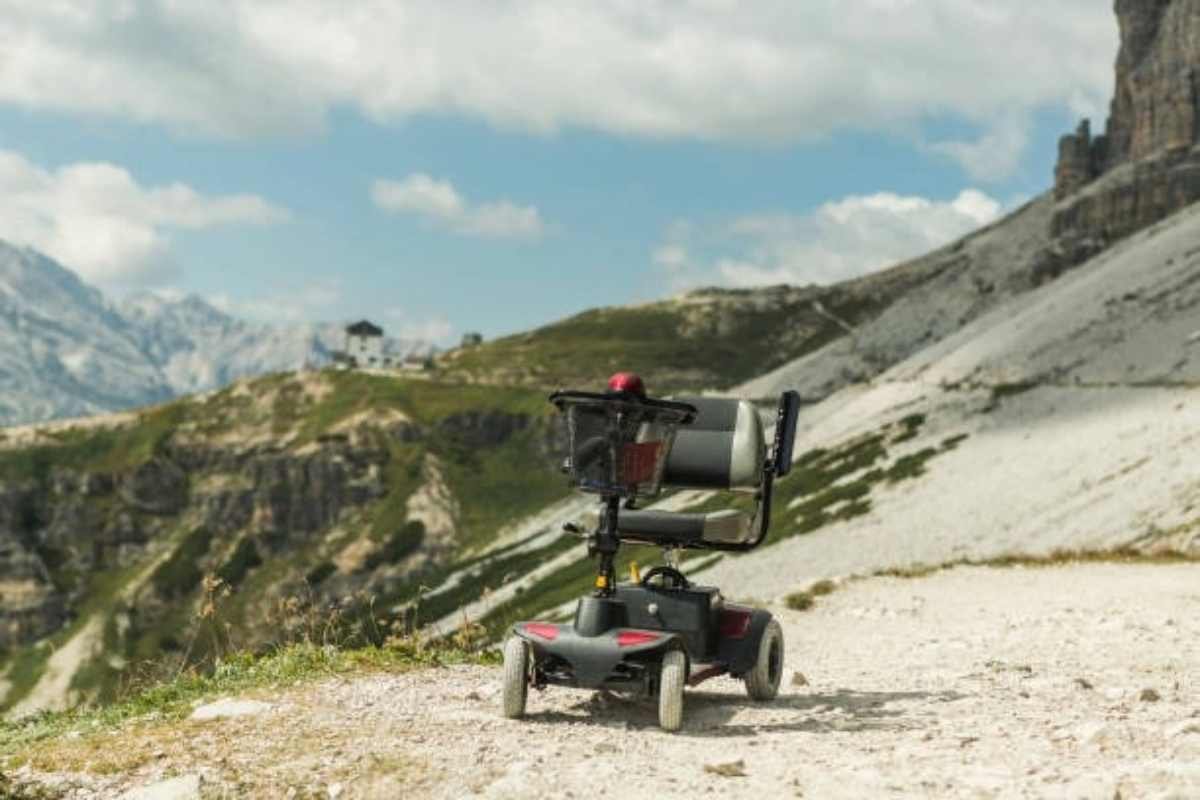
Waking up to birdsong, a crackling campfire, and a lake view should not be reserved for people who can walk long distances. If walking across a campground leaves you exhausted, the right mobility scooter for camping can give you back the freedom to enjoy the outdoors on your own terms. This guide explains what to look for, which models genuinely suit campsites, and how to travel with one safely.
Quick answer: For most campers, a compact four-wheel model that disassembles easily, such as the Golden Buzzaround EX or Pride Go-Go Elite Traveller, is the best mobility scooter for camping on packed gravel and campground roads. For grass, dirt trails, and uneven pads, step up to a rugged outdoor model like the Pride Baja Raptor 2.
Table of Contents
- Why a Mobility Scooter for Camping Makes Sense
- What Makes a Good Mobility Scooter for Camping
- Best Mobility Scooter for Camping: Comparison Table
- Detailed Reviews of Our Top Picks
- How to Transport Your Scooter to the Campsite
- Campsite Safety and Etiquette
- Pros and Cons
- Frequently Asked Questions
- Final Verdict
Why a Mobility Scooter for Camping Makes Sense
Camping with limited mobility is absolutely possible, but campgrounds are rarely flat or compact. Restrooms, showers, camp stores, and trailheads can sit hundreds of yards from your site. A dependable mobility scooter for camping turns those long walks into short, comfortable rides, which means you save your energy for the activities you actually came for, like fishing, stargazing, or sitting around the fire with family.
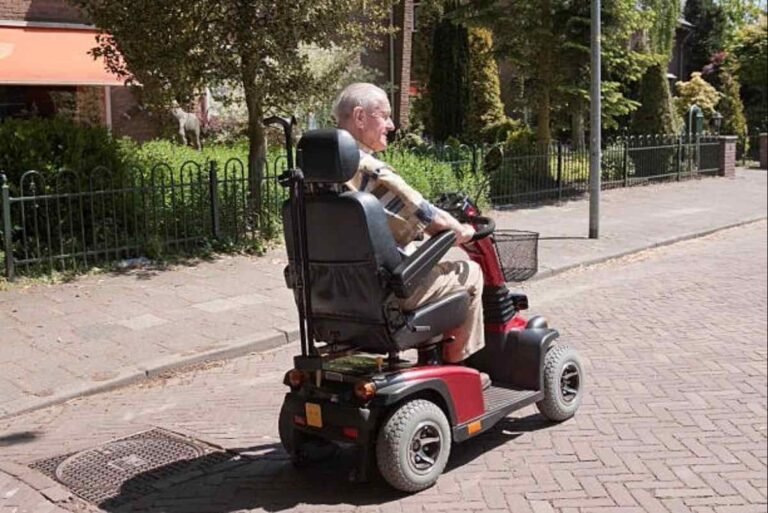
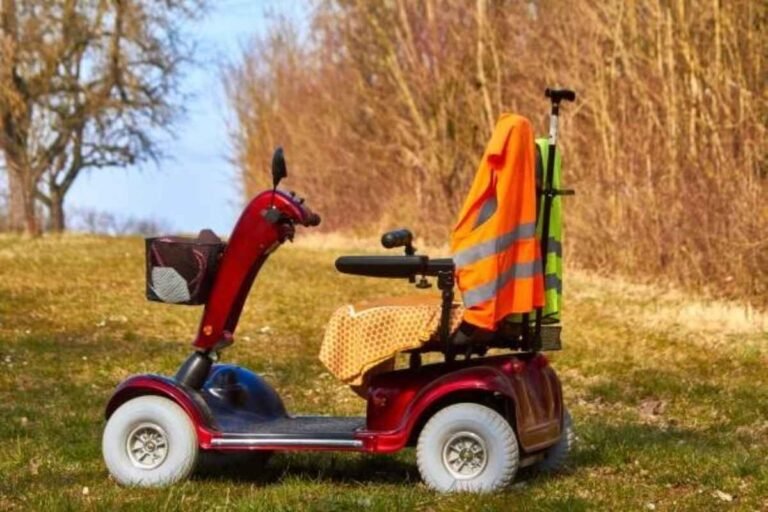
Many people assume a mobility scooter is only for malls and sidewalks. In reality, an outdoor mobility scooter built with larger wheels, better suspension, and a sturdier frame can handle compacted gravel, mowed grass, and well-maintained campground loops. The key is matching the machine to the terrain you will actually face. A mobility scooter for camping is not one-size-fits-all, and choosing the wrong one is the number one reason campers end up stuck or frustrated.
What Makes a Good Mobility Scooter for Camping
Before comparing models, it helps to understand the features that matter most when you take a scooter off the pavement. The best mobility scooter for camping balances ruggedness with portability, and the following factors decide that balance.
Ground Clearance and Tire Type
Campgrounds are full of roots, ruts, and loose gravel. Higher ground clearance prevents the underside from scraping, and pneumatic (air-filled) tires absorb bumps far better than solid tires. If your campsite includes grass or dirt paths, an all-terrain mobility scooter with pneumatic tires is a much safer choice than a standard indoor-friendly model.
Number of Wheels
Three-wheel scooters turn tightly, but four-wheel designs are noticeably more stable on slopes and uneven ground. For camping, stability usually wins. A four-wheel mobility scooter for camping resists tipping when one wheel drops into a rut, which gives you much more confidence on slightly sloped campsites.
Battery Range and Charging
Campgrounds without electric hookups make range critical. Aim for a real-world range of at least 10 to 15 miles for a day of camping, and remember that grass, hills, and cold weather all reduce battery performance. If you stay at an RV site with power, charging overnight is easy. If you are tent camping, consider a spare battery or a portable power station.
Weight Capacity and Seat Comfort
Always add the weight of your gear, such as a small bag or cooler, to your own weight when checking capacity. A swivel seat also makes it much easier to get in and out beside a picnic table or camp chair, which is a feature many campers overlook.
Portability and Disassembly
If you are loading a scooter into a truck bed, an SUV, or onto a hitch carrier, a model that breaks into lightweight sections is far easier to handle. A portable mobility scooter that splits into four or five pieces can save your back before you even reach the campground.
Best Mobility Scooter for Camping: Comparison Table
Specifications change by model year and configuration, so always confirm the latest details with the manufacturer before buying. Use this table as a starting point for narrowing your list.
| Model | Type | Best Terrain | Portability | Ideal Camper |
|---|---|---|---|---|
| Pride Baja Raptor 2 | Heavy-duty 4-wheel | Grass, dirt, gravel trails | Low (needs a hitch carrier or ramp) | Off-site explorers and rugged campgrounds |
| Pride Baja Wrangler 2 | Rugged outdoor | Grass, gravel, uneven paths | Low to medium | Larger campers needing extra capacity |
| Golden Buzzaround EX | Compact travel | Pavement, packed gravel, short grass | High (disassembles into sections) | RV and car campers who want easy loading |
| Pride Go-Go Elite Traveller | Compact travel | Campground roads, light gravel | High (lightweight sections) | Weekend campers with small vehicles |
| EV Rider TransPorter | Portable travel | Paved loops, firm ground | High (quick-disassemble design) | Campers who travel often and need light loads |
| Drive Scout Compact | Compact | Smooth campground paths | High | Budget-conscious RV park campers |
Detailed Reviews of Our Top Picks
1. Pride Baja Raptor 2: Best Overall for Rugged Terrain
If your trips involve dirt roads, grass fields, and longer distances, the Pride Baja Raptor 2 is the strongest option on this list. Its sturdy frame, large pneumatic tires, and powerful motor are designed for uneven ground, which makes it a serious candidate for the best mobility scooter for camping in rough settings. The trade-off is size: you will need a vehicle with a hitch carrier or a ramp to transport it.
2. Pride Baja Wrangler 2: Best for Heavier Campers
The Pride Baja Wrangler 2 offers a robust build and a comfortable seat for people who need extra capacity and stability. It handles gravel campground roads and light off-pavement use well. Like the Raptor, it is not a lightweight option, so plan your transport method in advance if you want this mobility scooter for camping.
3. Golden Buzzaround EX: Best for Portability
The Golden Buzzaround EX is a favorite among RV owners because it breaks down quickly and fits in the trunk of many vehicles. It handles paved loops and packed gravel comfortably, and it is a smart pick if your campsite is close to the facilities. It is not designed for deep grass or steep trails, but for easy campground cruising, it is a very practical mobility scooter for camping.
4. Pride Go-Go Elite Traveller: Best for Weekend Trips
The Pride Go-Go Elite Traveller is a well-known travel scooter with a lightweight design and tight turning. It works nicely on campground roads, in parking areas, and around picnic zones. If you camp occasionally and want a simple, reliable machine, this travel mobility scooter is easy to load and easy to live with.
5. EV Rider TransPorter: Best Quick-Disassemble Option
The EV Rider TransPorter is built around fast assembly and disassembly, which suits campers who set up and break down often. It performs best on firm surfaces, so treat it as a campground-road scooter rather than a trail machine.
6. Drive Scout Compact: Best Budget Pick
The Drive Scout Compact is a straightforward, affordable choice for campers who mainly stay in RV parks with paved or well-groomed paths. It will not tackle rough ground, but if your needs are simple, this compact mobility scooter for camping delivers solid everyday value.
How to Transport Your Scooter to the Campsite
Getting your mobility scooter for camping to the campground is half the challenge. There are three common methods, and the right one depends on your vehicle and the size of the scooter.
Hitch carrier: A hitch-mounted carrier with a ramp is the easiest way to move a heavy outdoor model like the Baja Raptor 2. Make sure the carrier’s rated capacity exceeds the scooter’s weight, and secure the scooter with proper tie-downs.
Disassembly: Compact models split into lightweight pieces that fit in an SUV or trunk. This is the best method for a lightweight mobility scooter for camping because no special equipment is required.
RV mobility scooter carrier: Motorhome and trailer owners can install a dedicated carrier on the rear bumper or in a storage bay. A good RV mobility scooter carrier keeps the scooter protected from road debris and weather.
Campsite Safety and Etiquette
Using a mobility scooter for camping comes with a few responsibilities. Following them protects you, other campers, and the campground itself.
- Check campground rules first. Most campgrounds welcome mobility devices, and federal and state accessibility rules generally protect their use, but it is wise to call ahead and ask about accessible sites and surfaces.
- Choose an accessible campsite. Look for level pads, firm surfaces, and a short route to restrooms.
- Stay on established paths. Driving across soft ground can damage vegetation and get you stuck.
- Watch your speed. Campgrounds have children, pets, and pedestrians, so keep to a walking pace.
- Protect the battery. Keep it out of extreme heat or cold, and never leave it charging unattended.
- Use lights at dusk. Visibility drops quickly after sunset, so a headlight and reflective accessories are essential.
- Carry a repair kit. A tire plug kit and a basic tool set can save your trip.
Pros and Cons
Pros
Here is what a mobility scooter for camping does well:
- Dramatically reduces fatigue on long campground walks
- Restores independence for restroom, shower, and camp store trips
- Many compact models disassemble for easy transport
- Rugged outdoor models can handle gravel and grass
- Makes family camping inclusive for everyone
Cons
Every mobility scooter for camping also has limits worth knowing:
- Heavy-duty models need a hitch carrier or ramp
- Battery range drops on grass, hills, and in cold weather
- Compact scooters struggle on deep grass and steep trails
- Tent campsites without power require extra charging planning
- Quality outdoor models cost more than indoor-friendly ones
Frequently Asked Questions
Can you use a mobility scooter for camping on grass?
Yes, but only with the right model. A rugged outdoor scooter with pneumatic tires and good ground clearance handles dry, short grass. Compact travel scooters can bog down on soft or wet turf.
What is the best mobility scooter for camping with limited mobility?
For rough terrain, the Pride Baja Raptor 2 is hard to beat. For easy transport and campground roads, the Golden Buzzaround EX is the best choice for most people.
Is a three-wheel or four-wheel scooter better for camping?
Four-wheel scooters are generally better because they are more stable on slopes and uneven surfaces. Three-wheel designs turn tighter but tip more easily.
How far will a camping scooter go on one charge?
Most models advertise a range, but real-world distance is usually lower on grass and hills. Plan for a buffer, and bring a spare battery if you will be away from power.
Can I charge my scooter at a campsite?
If your site has an electric hookup, charging overnight is simple. Without hookups, use a portable power station that matches your charger’s requirements, or ask the campground about charging options.
How much does a mobility scooter for camping cost?
Prices vary widely. A compact travel model costs far less than a heavy-duty outdoor machine, so set a budget before you shop for a mobility scooter for camping.
Are mobility scooters allowed in national and state parks?
Policies vary, but many parks allow mobility devices on paths and in accessible areas. Contact the park office before your trip to confirm where your scooter can go.
Final Verdict
The best mobility scooter for camping is the one that matches your terrain and your vehicle. Choose a rugged model like the Pride Baja Raptor 2 for dirt and grass, or pick a portable favorite like the Golden Buzzaround EX for easy loading and campground roads. Whichever you choose, a mobility scooter for camping can turn a tiring trip into a relaxing one and keep you outdoors with the people you love. Ready to get started? Compare current prices and availability on the models above, and plan your next adventure with confidence.