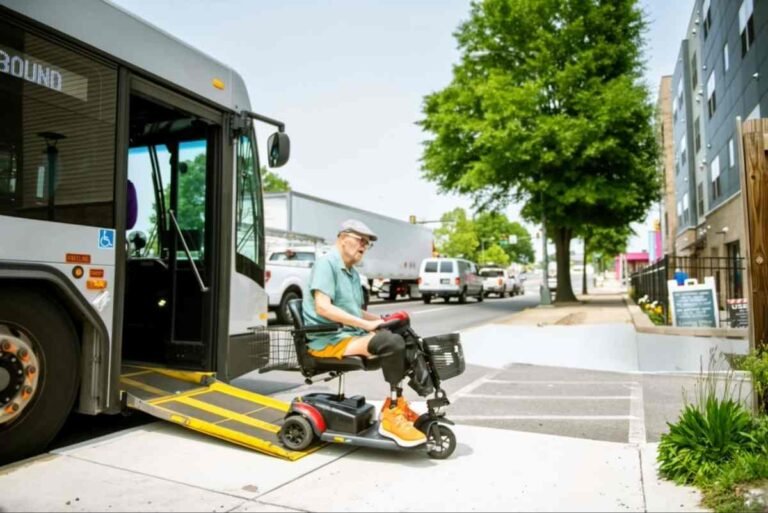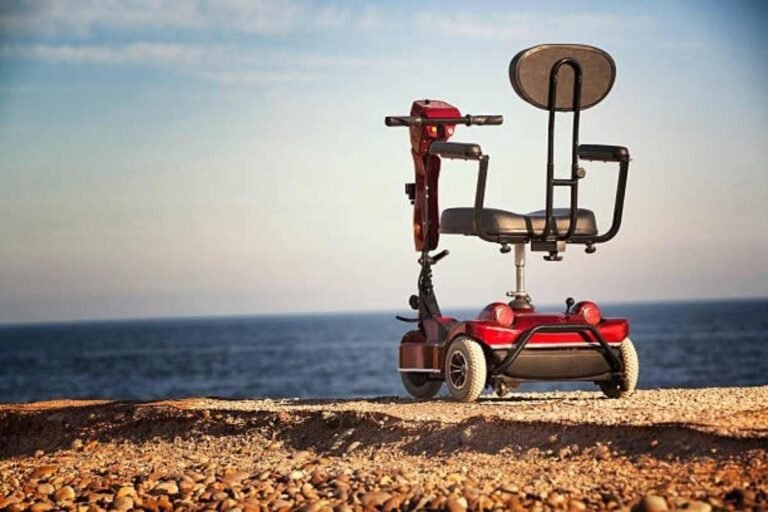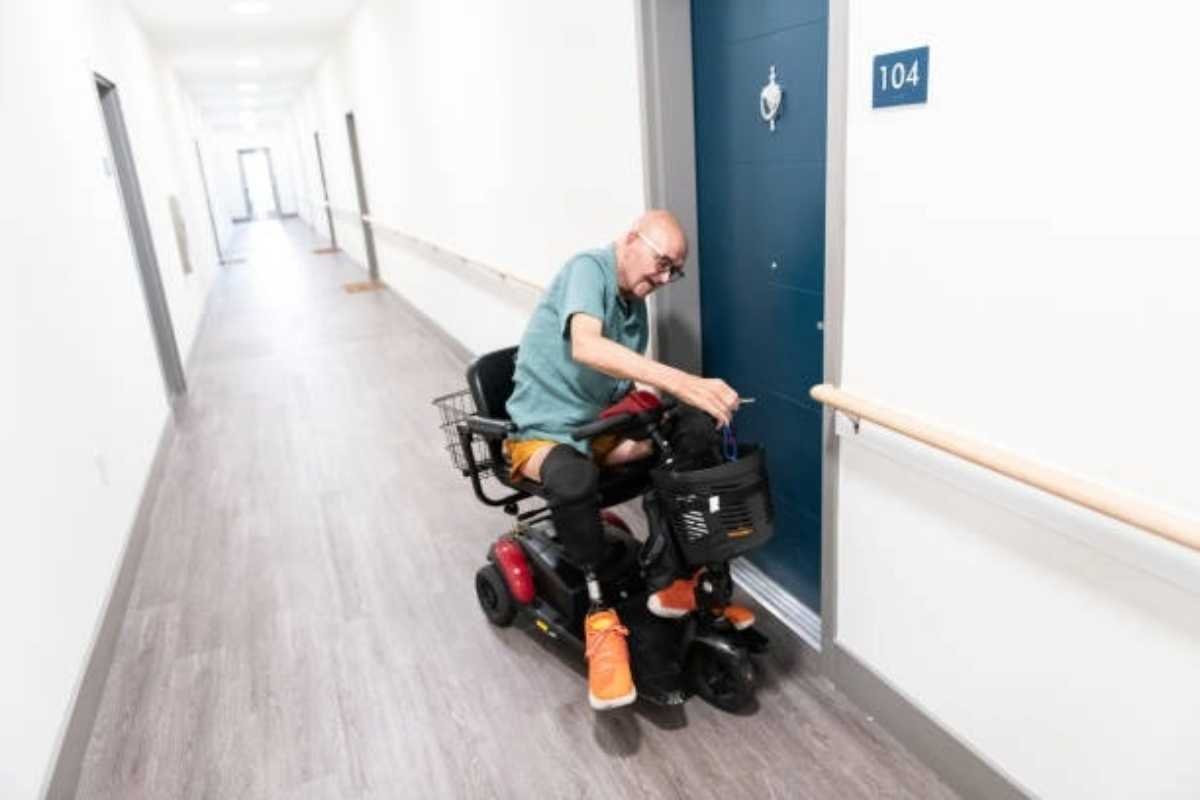
Losing a limb changes how you move, but it should never shrink your world. Whether you are recovering from a recent surgery, waiting for a prosthetic fitting, or simply want to save energy on long outings, the right mobility scooter for amputees can give you back your independence, your errands, and your social life.
The challenge is that most scooter guides are written for seniors with general mobility issues. Amputees have different needs: where the leg rests, how you mount and dismount, how your residual limb is supported, and how the scooter behaves when your balance is still adapting. In this guide, we explain how to choose a mobility scooter for amputees, compare five proven models, and share practical safety tips so you can buy with confidence.
Why a Mobility Scooter for Amputees Is Different
A standard scooter assumes two healthy legs that can step on and off the floorboard and brace during turns. A good mobility scooter for amputees accounts for the opposite. You may be using one leg, a prosthesis, or crutches to get on and off the seat, and your center of gravity may feel unfamiliar.
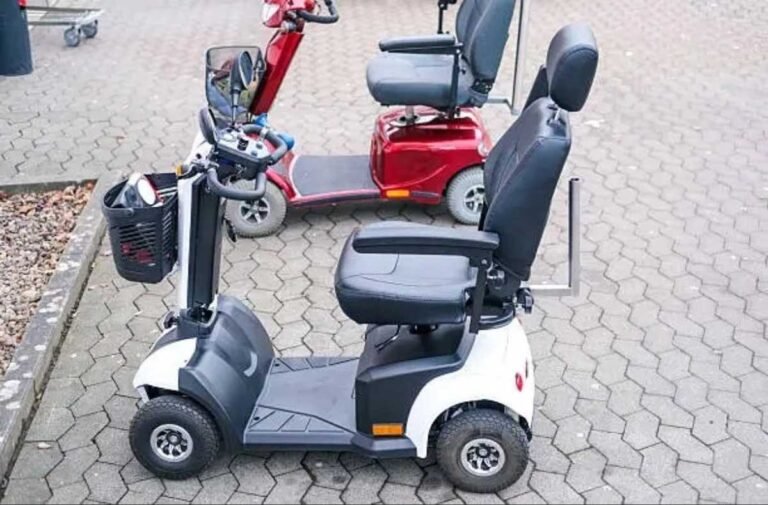
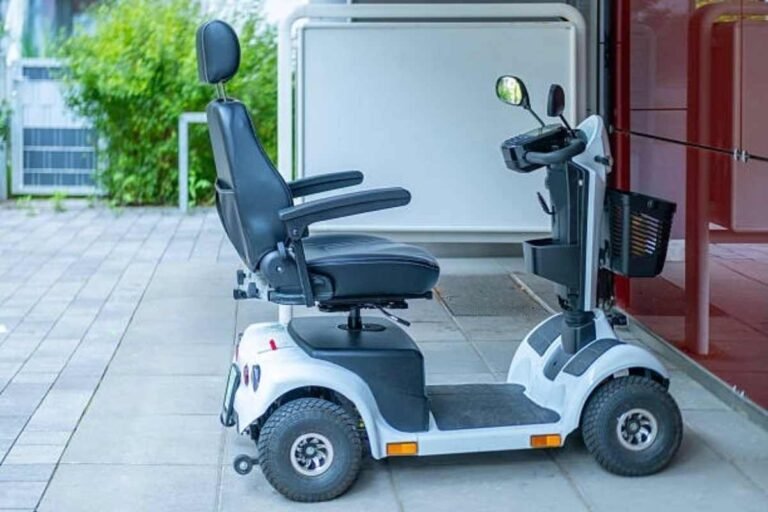
For that reason, the best mobility scooter for amputees usually has a wide, low-step floorboard, a swivel seat, and stable steering that does not demand quick body movements. Choosing a model built around these features is far safer than adapting a basic scooter later.
Who Benefits Most From a Mobility Scooter for Amputees?
Not every amputee needs the same setup. Here is how needs usually break down:
- Below-knee amputees: Many walk with a prosthesis but tire quickly. A lightweight travel model is often enough.
- Above-knee amputees: Balance and transfers are harder, so a four-wheel model with a tall, supportive seat works best.
- Recent surgery patients: Short-term use while healing calls for a stable scooter with an adjustable tiller.
- Bilateral amputees: These riders need heavy-duty frames, wide seats, and carefully positioned foot platforms.
If you fall into more than one group, prioritize stability first and portability second. A mobility scooter for amputees that feels safe in the first week will keep you riding for years.
Key Features to Look For
Three-Wheel vs Four-Wheel Stability
Three-wheel scooters turn tightly and suit indoor spaces, but they tip more easily on slopes. Four-wheel scooters trade a wider turning circle for far better stability. For most riders choosing a mobility scooter for amputees, especially above-knee users, four wheels are the safer choice.
Floorboard and Leg Support
Look for a flat, open floorboard with enough room to rest a residual limb or extended prosthesis comfortably. Some riders need a removable footrest or an extended platform. This single feature often decides whether a mobility scooter for amputees feels natural or awkward.
Seat Comfort and Swivel
A swivel seat lets you turn toward the scooter and slide on without twisting your hips. Padded armrests that flip up make side transfers easier. Pressure relief matters too, since sitting for hours can irritate sensitive skin near the residual limb.
Weight Capacity and Frame Strength
Add the weight of a prosthesis and any carried items to your body weight, then choose a scooter with at least a 20 percent safety margin. A sturdy mobility scooter for amputees should never be pushed to its stated limit.
Tiller and Controls
Thumb-operated throttles reduce strain, and an adjustable tiller lets you find a comfortable steering angle. If you have lost an arm as well, look for models with ambidextrous controls.
Portability and Battery Range
If you plan to travel, a scooter that disassembles or folds is valuable. Check real-world range for any mobility scooter for amputees, not just the brochure number, because hills and heavier loads reduce it.
Comparison Table: Best Mobility Scooter for Amputees Models
| Model | Wheels | Approx. Weight Capacity | Approx. Range | Best For |
|---|---|---|---|---|
| Pride Mobility Victory 10.2 | 4 | 350 lbs | Up to 15 miles | Above-knee riders needing maximum stability |
| Golden Technologies Buzzaround EX | 3 | 300 lbs | Up to 15 miles | Below-knee users who travel often |
| Drive Medical Scout 4 | 4 | 300 lbs | Up to 13 miles | Budget-conscious daily outdoor use |
| EV Rider TransPort Plus | 4 | 275 lbs | Up to 12 miles | Folding portability and car trips |
| Shoprider Sprinter XL4 | 4 | 350 lbs | Up to 15 miles | Larger frames and bilateral amputees |
5 Best Options Reviewed
1. Pride Mobility Victory 10.2
The Victory 10.2 is a trusted pick when stability matters most. Its four-wheel base, comfortable high-back seat, and roomy floorboard make it a dependable mobility scooter for amputees who need confident support on uneven pavement.
Pros:
- Excellent stability on slopes and curbs
- Comfortable, adjustable seating
- High weight capacity
Cons:
- Heavier to transport
- Wider turning circle indoors
2. Golden Technologies Buzzaround EX
If you travel by car or plane, the Buzzaround EX is a favorite. It breaks down into light pieces and handles tight spaces well. Below-knee users often find it the easiest mobility scooter for amputees to load and store.
Pros:
- Light and easy to disassemble
- Tight turning radius
- Good battery life for its size
Cons:
- Three-wheel design is less stable on hills
- Smaller floorboard space
3. Drive Medical Scout 4
The Scout 4 offers a reliable four-wheel platform at a friendlier price. For riders starting out with a mobility scooter for amputees on a budget, it delivers solid comfort without extra complexity.
Pros:
- Affordable entry point
- Stable four-wheel frame
- Simple, intuitive controls
Cons:
- Shorter range than premium models
- Basic seat padding
4. EV Rider TransPort Plus
This folding model is built for convenience. It collapses quickly and fits in many car trunks, which helps if you rely on others for rides. As a travel-friendly mobility scooter for amputees, it balances portability and stability well.
Pros:
- Folds in seconds
- Lighter than most four-wheel scooters
- Easy to store at home
Cons:
- Lower weight capacity
- Less suited to rough terrain
5. Shoprider Sprinter XL4
The Sprinter XL4 gives larger riders and bilateral amputees the wide seat and strong frame they need. It is a heavy-duty mobility scooter for amputees who want reassurance on every ride.
Pros:
- Wide, supportive seat
- Strong frame and high capacity
- Smooth, stable ride
Cons:
- Bulky for small cars
- Needs more storage space
How to Choose the Right Mobility Scooter for Amputees
Start with your daily routine. If most trips are short and indoors, a compact three-wheel model may be enough. If you ride outdoors, pick a four-wheel scooter. Next, think about transfers. Practice sitting on a demo model with your prosthesis or crutches, because comfort during mounting is as important as comfort while riding.
Finally, consider long-term needs. Your mobility may improve with a prosthesis, or you may need more support later. Many people find that a versatile mobility scooter for amputees saves money because it adapts as their situation changes.
Safety Tips for New Riders
- Begin in an open, flat area and practice turning, stopping, and reversing.
- Keep your residual limb or prosthesis fully supported on the floorboard.
- Slow down before turns, since weight shifts feel different after amputation.
- Avoid steep slopes until your confidence grows.
- Charge the battery of your mobility scooter for amputees fully before every longer outing.
Work with your physical therapist or prosthetist if possible. They can advise on positioning and help you adapt to your new mobility scooter for amputees safely.
Does Insurance Cover a Mobility Scooter for Amputees?
Coverage depends on your location and plan. In the United States, Medicare may help with certain power mobility devices when a doctor documents medical necessity, and some private plans offer partial coverage. Ask your doctor for a written prescription, and check with your insurer before buying. Even when coverage is limited, financing options and refurbished units can make a mobility scooter for amputees more affordable.
Frequently Asked Questions
Can an above-knee amputee drive a mobility scooter?
Yes. Many above-knee amputees ride scooters daily. A four-wheel model with a swivel seat and an open floorboard is usually the best option.
Is a three-wheel or four-wheel scooter better?
Four-wheel models are generally more stable, while three-wheel scooters are easier to maneuver indoors. Most amputees choose four wheels for safety.
Do I need a license to ride one?
In most places, no license is required for standard mobility scooters, but local rules vary. Check your regional regulations before riding on public roads.
How long does the battery last?
Most models of a mobility scooter for amputees travel roughly 10 to 18 miles per charge, depending on terrain, weight, and battery age. Always plan for less than the advertised range.
Can I use a scooter while I wait for a prosthesis?
Absolutely. A mobility scooter for amputees is a practical solution during the healing and fitting period, helping you stay active without overloading your remaining leg.
Final Thoughts
Choosing the right mobility scooter for amputees comes down to stability, comfortable leg support, easy transfers, and a size that fits your life. The Pride Victory 10.2 and Shoprider Sprinter XL4 lead for stability, the Golden Buzzaround EX and EV Rider TransPort Plus excel at portability, and the Drive Medical Scout 4 is a smart budget choice. Try a model in person if you can, talk with your care team, and pick the option that makes you feel secure from the first ride. The right mobility scooter for amputees is not just a device; it is the freedom to keep living on your terms.