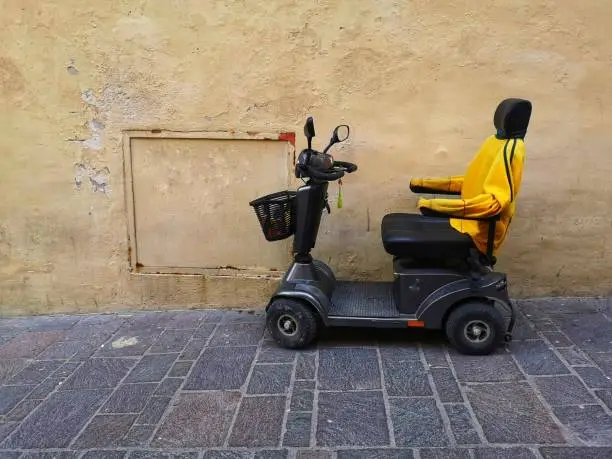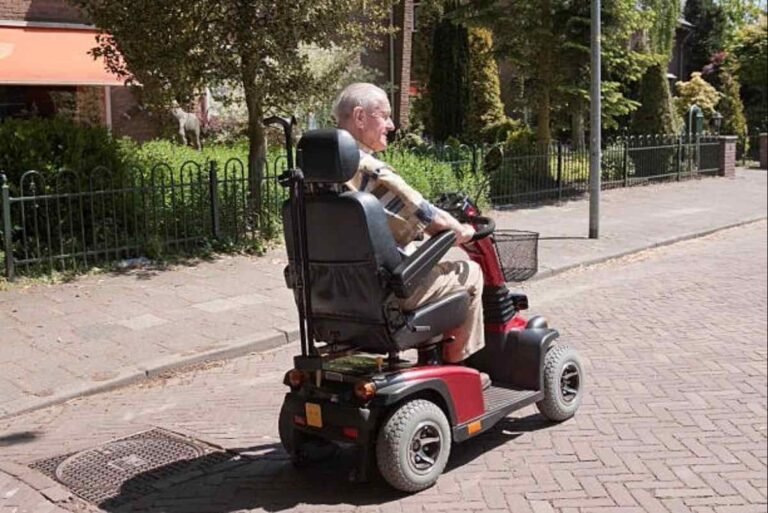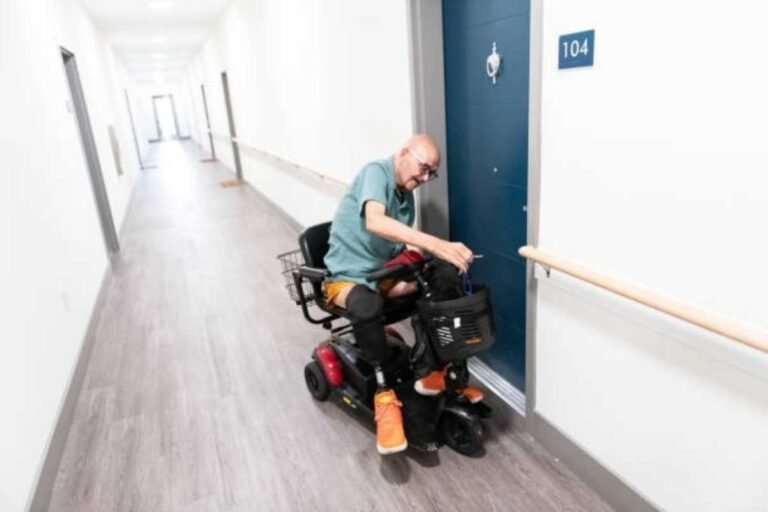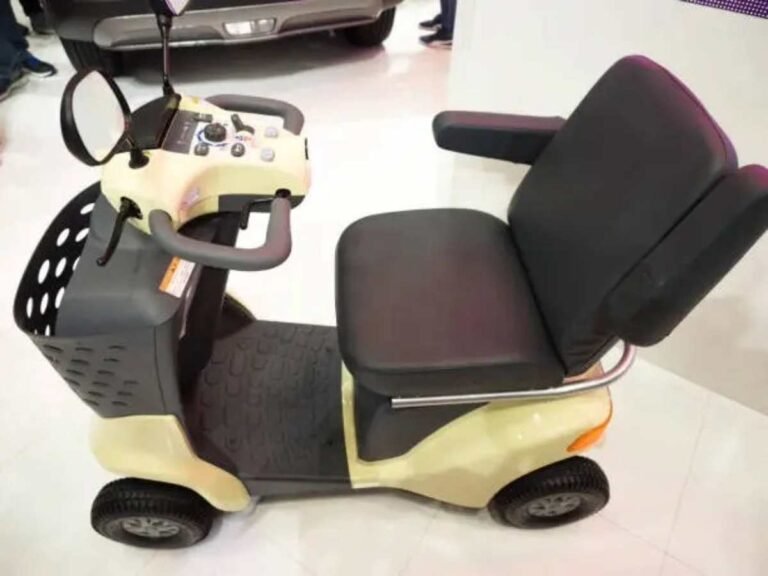
If you care for a parent, spouse, or client who cannot safely steer a vehicle on their own, you have probably typed a very specific phrase into Google: attendant controlled mobility scooter. You are not looking for a standard scooter with a tiller and a throttle. You want something that lets you, the caregiver, stay in charge of speed, direction, and stopping, while the rider simply sits back and enjoys the trip.
This guide explains exactly what an attendant controlled mobility scooter is, who truly benefits from one, and which real products come closest to the idea. We will also be honest about something most sellers skip: very few traditional scooters ship with a caregiver control option, so you need to know where to look and what to confirm before you spend a cent.
What Is an Attendant Controlled Mobility Scooter?
An attendant controlled mobility scooter is a powered mobility device that can be driven by a second person, the attendant, instead of (or in addition to) the seated rider. The attendant usually stands behind the seat and uses a secondary joystick, handle, or remote that overrides the rider’s own controls.
Think of it as the powered cousin of a pushed wheelchair. The motor does the heavy lifting, but a trusted person decides where to go. That makes an attendant controlled mobility scooter attractive for families dealing with memory loss, vision problems, tremors, or fatigue that makes steering unsafe.
In practice, the market uses several overlapping terms. You will see “caregiver controlled scooter,” “dual control power chair,” and “rear control mobility device.” They all describe the same goal: shared or transferred control. Shoppers searching for an attendant controlled mobility scooter are often really shopping for a compact power chair with an attendant joystick, because that is where the feature is most common.
Why Families Choose an Attendant Controlled Mobility Scooter
A caregiver-led setup solves problems that a regular scooter simply cannot.
- Safety for riders with cognitive decline. Someone with early dementia may not judge distances or obstacles reliably. With an attendant controlled mobility scooter, the caregiver makes every steering decision.
- Reduced strain on the caregiver. Pushing a manual wheelchair uphill, through gravel, or across a long shopping mall is exhausting. A powered attendant system removes the physical effort.
- Dignity and comfort for the rider. The rider sits in a supportive seat rather than being pushed in a basic chair, which often feels more comfortable and less clinical.
- Crowd and curb confidence. Theme parks, airports, and medical campuses are easier to navigate when one person controls both speed and path.
If you are evaluating whether an attendant controlled mobility scooter fits your situation, ask three questions. Can the rider reliably steer? Is there a dependable caregiver present on most outings? And will the device travel by car, or stay mostly at home? Your answers narrow the field quickly.
Scooter vs. Power Chair: A Critical Distinction
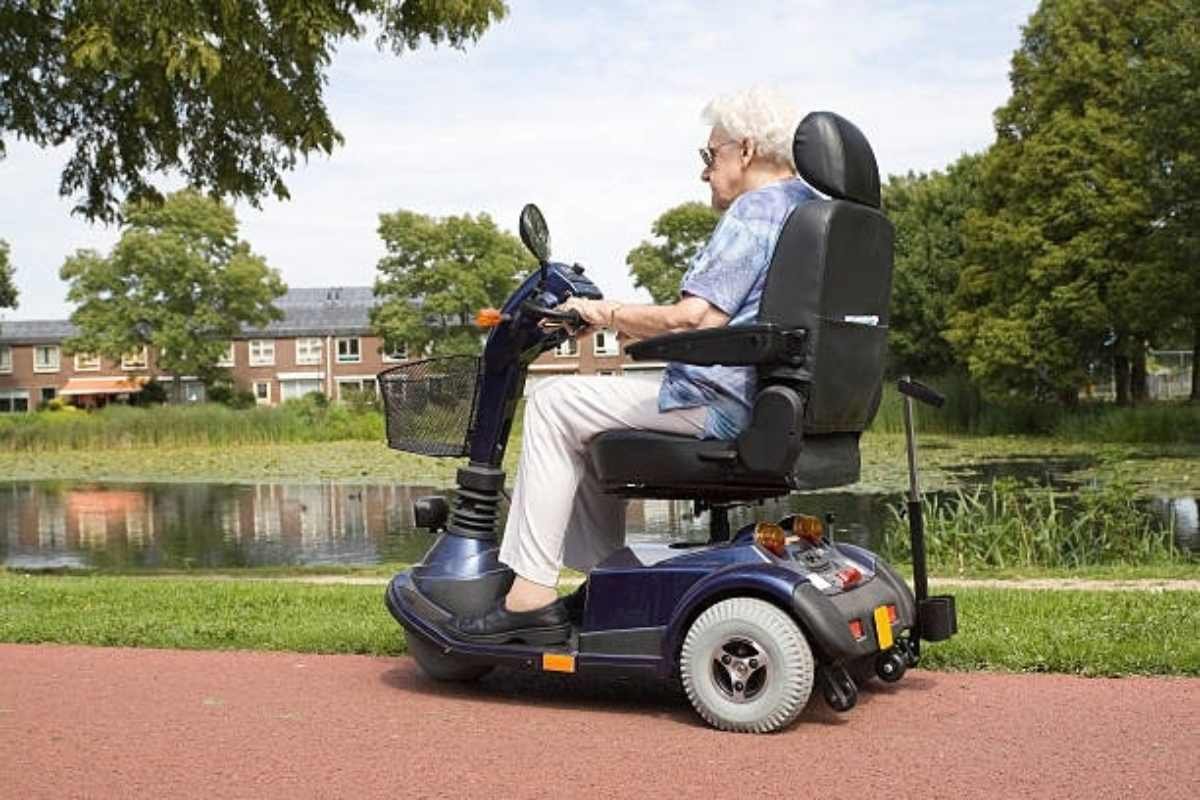
Here is the part that saves buyers money. Traditional three- and four-wheel scooters use a front tiller and a seat that sits high. They are designed for one operator. Adding a rear attendant joystick is not a standard feature on mainstream models.
Power chairs, by contrast, use a joystick on an armrest, and many manufacturers offer an attendant control upgrade or a rear-mounted joystick as an option. For that reason, the best attendant controlled mobility scooter for many families is technically a power chair, or a scooter paired with a caregiver-friendly accessory plan.
Before you buy any attendant controlled mobility scooter, call the manufacturer or an authorized dealer and ask in writing whether attendant control is built in, optional, or unavailable for that exact model. Feature availability changes by model year and region, so do not rely on a product listing alone.
Key Features to Look for in an Attendant Controlled Mobility Scooter
Control Type and Override Logic
The core question is how the attendant control works. A good attendant controlled mobility scooter should let the caregiver take over instantly and should make clear who holds control at any moment. Look for a visible override switch and a controller that returns to a safe stop when released.
Weight Capacity and Seat Comfort
Check the maximum user weight and the seat dimensions. Because the caregiver walks behind, you also want a seat with proper back support and a headrest option. A comfortable rider is a calmer rider, and calm riders are easier to care for.
Speed Limiting
Caregivers walk at about 2 to 3 miles per hour. An attendant controlled mobility scooter with an adjustable speed limit lets you cap the pace so you are never jogging to keep up.
Portability and Disassembly
If you travel by car, weight matters. Many families choose a model that breaks into lighter sections or folds. Always measure your trunk and compare it with the transport dimensions in the spec sheet.
Anti-Tip and Stability Features
Stability matters twice as much when the person steering is not the person sitting. Look for anti-tip wheels, a wide wheelbase, and responsive braking.
Best Options Compared
The table below compares real, widely sold models that either support attendant control or are the closest practical alternatives. Specifications are approximate and based on manufacturer information at the time of writing, so verify the details on the product page before ordering.
| Model | Type | Approx. Weight Capacity | Attendant Control | Best For |
|---|---|---|---|---|
| Pride Jazzy Air 2 | Power chair | 300 lb | Check dealer for rear control option | Caregivers wanting a lifting seat and strong indoor/outdoor use |
| Pride Jazzy Passport | Compact power chair | 250 lb | Check dealer for option | Families who travel and need easy disassembly |
| Drive Medical Cirrus Plus EC | Folding power chair | 300 lb | Check manufacturer for option | Car trunk transport and quick folding |
| Pride Go-Go Elite Traveller | 3-wheel scooter | 300 lb | Not standard (tiller steering) | Rider who can steer, caregiver walks alongside |
| Golden Buzzaround EX | 3-wheel scooter | 300 lb | Not standard (tiller steering) | Light, portable scooter for supervised outings |
The honest takeaway: for a true attendant controlled mobility scooter experience, start with the power chair models above and request a rear control configuration. The two scooters in the table are included as supervised-use alternatives for riders who can still steer with the caregiver beside them.
Pros and Cons of an Attendant Controlled Mobility Scooter
Pros
- The caregiver controls direction, which improves safety for riders who cannot steer.
- Less physical strain than pushing a manual wheelchair.
- Works well in crowds, hospitals, and shopping centers.
- Many models allow the rider to keep control when the caregiver does not need it.
Cons
- True attendant controlled mobility scooter options are limited, and many require special ordering.
- Dual control systems often cost more than a standard scooter.
- The caregiver must stay close, which means it is not an independence device for the rider.
- Some units are heavy, so transport planning is essential.
How to Choose the Right Attendant Controlled Mobility Scooter
Follow this simple process so you do not overspend or buy the wrong device.
- Define the rider’s abilities. Can they hold a joystick, sit upright, and follow instructions? Their abilities decide whether you need full attendant control or just a supervised scooter.
- Confirm attendant control in writing. Ask the seller to document that the specific attendant controlled mobility scooter or power chair you want includes the rear controller.
- Measure your spaces. Doorways, elevators, and your car trunk set hard limits on size.
- Ask about insurance and funding. Some plans help with power mobility when a physician documents the need. Requirements vary, so ask your provider.
- Test before you buy. A short trial reveals whether the attendant controlled mobility scooter feels smooth to steer from behind.
Safety Tips for Caregivers
Operating an attendant controlled mobility scooter is different from pushing a chair. Practice in an empty parking lot first. Keep speeds low around people, approach curbs straight on, and always engage the brakes before the rider gets on or off. Plan routes that avoid steep ramps where possible, and never leave the rider unattended while the device is powered. Keeping the battery charged and the tires properly inflated also keeps the device predictable.
Maintenance and Battery Care
A well-maintained unit lasts longer and fails less often. Charge the batteries after each outing, store the unit indoors away from extreme heat or cold, and wipe down the controls regularly. Schedule a professional inspection yearly, especially if you rely on the attendant control for daily outings.
Frequently Asked Questions
Is there such a thing as a true attendant controlled mobility scooter? Yes, but it is uncommon. Most traditional scooters use a front tiller only. Attendant control is more often an option on power chairs, so confirm the feature with the maker before you buy.
Can a caregiver drive a standard mobility scooter from behind? Not safely. Standard scooters are built for the seated operator. If you want a caregiver to steer, choose a model designed for it rather than improvising.
Who should consider an attendant controlled mobility scooter? Riders with dementia, severe fatigue, visual impairment, or tremors often benefit, provided a reliable caregiver is present.
How much does an attendant controlled mobility scooter cost? Prices vary widely. Compact power chairs with rear controls often cost more than basic scooters, so request quotes from authorized dealers.
Will insurance pay for an attendant controlled mobility scooter? Coverage depends on your plan and documented medical need. Ask your provider and your doctor early.
Final Thoughts
An attendant controlled mobility scooter can turn stressful outings into relaxed ones, but only if you choose the right device. Start by confirming what “attendant control” means for each model, lean toward compact power chairs when you want a true rear controller, and use the comparison table above as your shortlist. With careful research, the right attendant controlled mobility scooter will protect your loved one and give you back your energy.