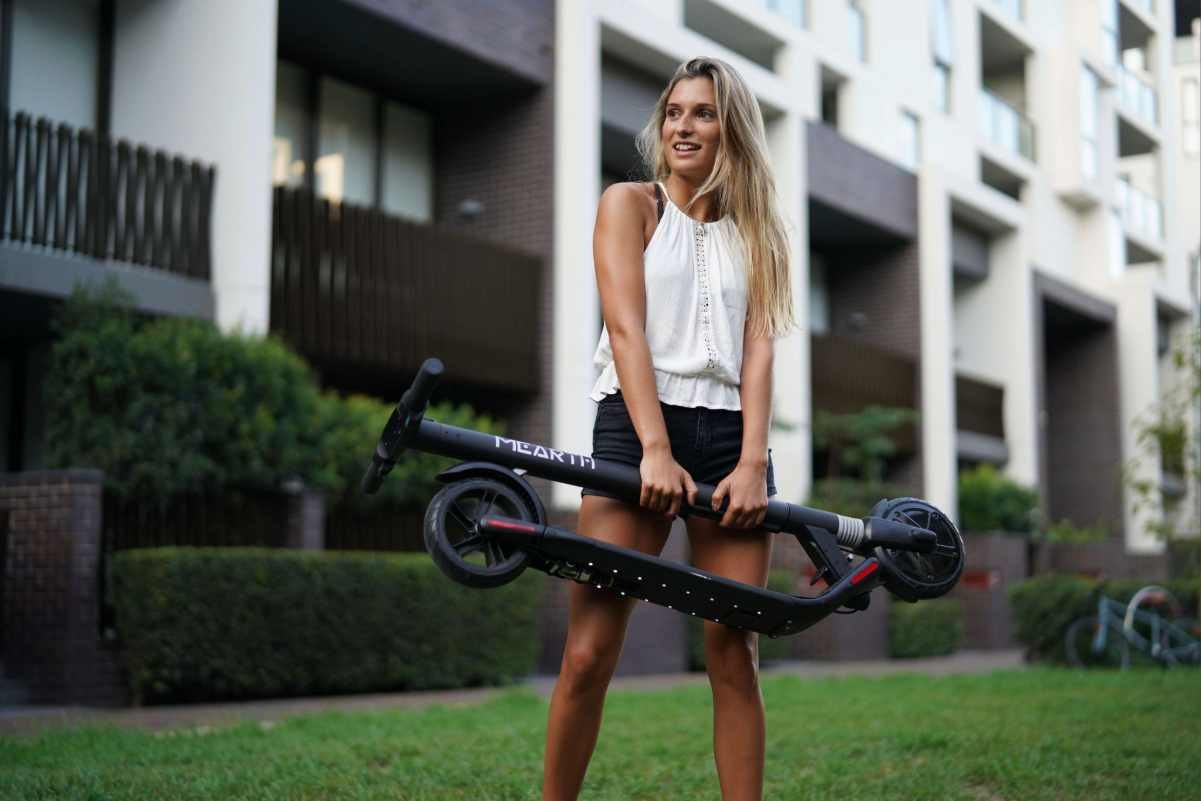
Choosing between a manual folding scooter and an auto-folding scooter is one of the biggest decisions a first-time mobility scooter buyer will face. The debate around manual folding vs auto-folding scooters comes down to a simple trade-off: independence and lower cost versus convenience and less physical effort. In this guide, we break down manual folding vs auto-folding scooters across weight, price, folding mechanism, travel-friendliness, and long-term durability, so you can decide which option actually fits your daily routine.
What Is a Manual Folding Scooter?
A manual folding scooter is a mobility scooter that you physically fold and unfold using your hands, usually by lifting a lever, pulling a strap, or pressing a foot pedal that collapses the frame. This is the traditional design most people picture when they think about a lightweight folding scooter, and it remains one of the two core options in the manual folding vs auto-folding scooters debate.
Understanding this side of manual folding vs auto-folding scooters first will help the rest of the comparison make sense.
Key traits of a manual folding scooter:
- Requires physical strength to fold and lift into a car trunk
- Generally lighter and more affordable than powered alternatives
- Simple mechanical parts mean fewer things that can break
- Ideal for caregivers or users who can manage light lifting
What Is an Auto-Folding Scooter?
An auto-folding scooter uses a motorized mechanism, often controlled by a key fob or remote, to fold and unfold itself without any manual lifting. This is the newer, tech-driven side of the manual folding vs auto-folding scooters comparison, and it’s built specifically for users who want maximum independence when traveling alone.
This is the profile most auto-folding buyers have in mind when they start comparing manual folding vs auto-folding scooters online.
Key traits of an auto-folding scooter:
- Folds and unfolds at the push of a button
- No lifting required — ideal for solo travelers with limited upper body strength
- Heavier upfront cost due to motors and electronics
- Slightly heavier overall weight compared to manual models
Manual Folding vs Auto-Folding Scooters : Key Differences
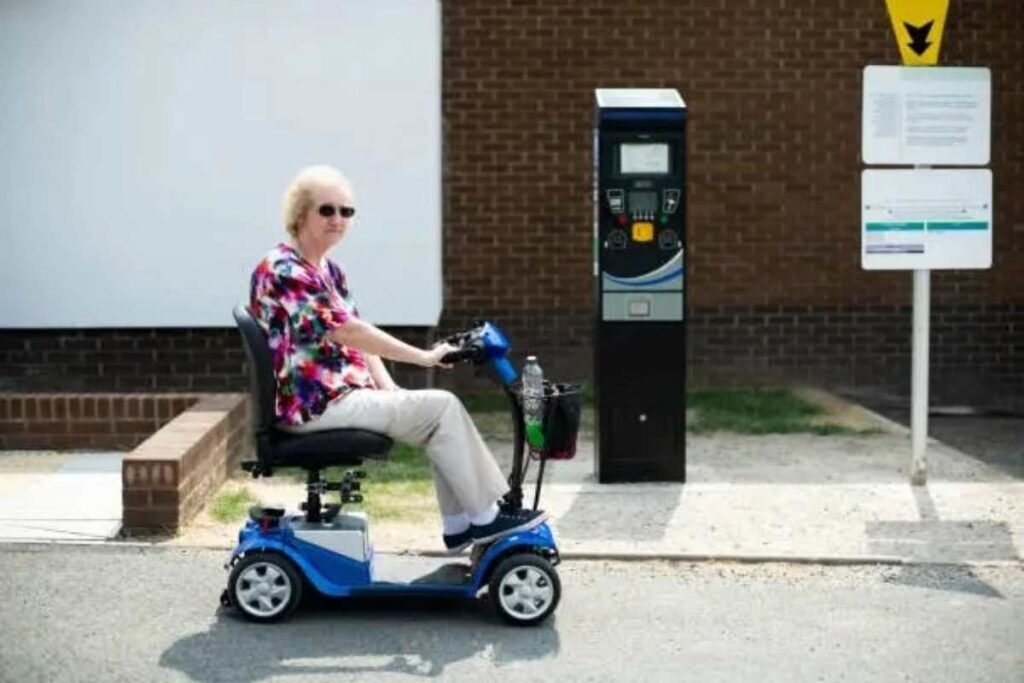
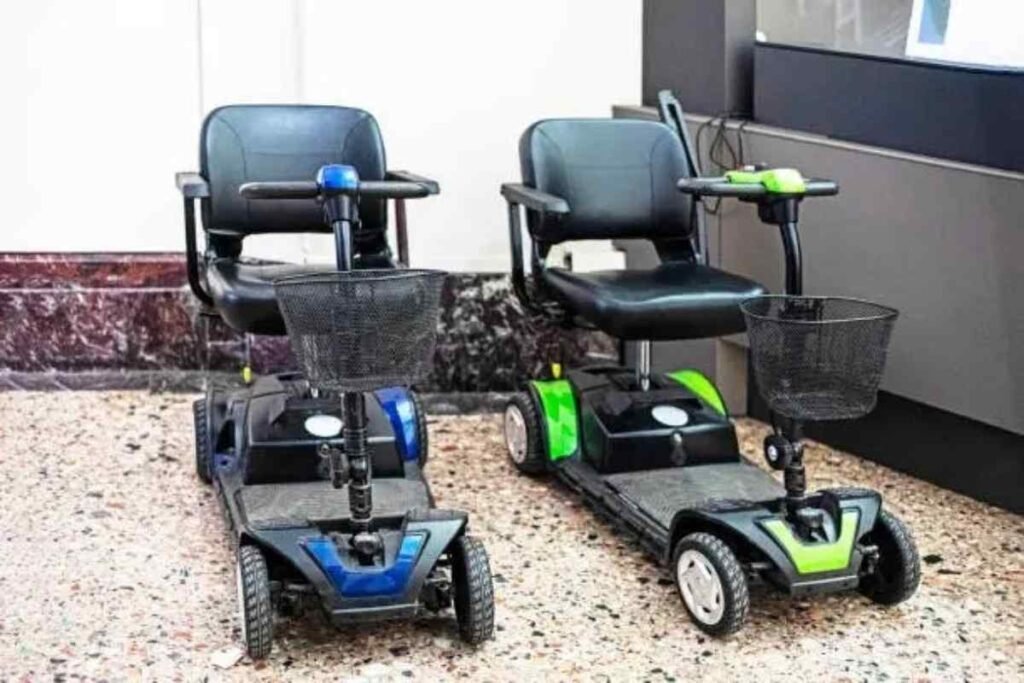
When you compare manual folding vs auto-folding scooters side by side, four factors matter most: weight, price, ease of use, and reliability. Here’s how they stack up.


| Feature | Manual Folding Scooter | Auto-Folding Scooter |
|---|---|---|
| Average Weight | 35–50 lbs | 50–70 lbs |
| Average Price | $800–$1,800 | $2,500–$5,000+ |
| Folding Time | 10–20 seconds (manual effort) | 15–30 seconds (automatic) |
| Physical Effort | Moderate to high | Minimal to none |
| Best For | Caregiver-assisted users, budget buyers | Solo travelers, users with limited strength |
| Battery Impact | None (fold doesn’t use power) | Uses battery charge to fold |
| Repair Complexity | Low | Moderate to high |
Weight and Portability
Weight is often the deciding factor in the manual folding vs auto-folding scooters decision. A manual folding scooter is typically lighter because it has no motorized folding components, which makes it easier for a second person to lift into a trunk. An auto-folding scooter carries extra weight from its motor and gearbox, but that weight is offset by the fact that the user never has to lift it themselves — the scooter does the heavy lifting on its own.
Price and Long-Term Value
Budget plays a big role in the manual folding vs auto-folding scooters choice. Manual models are significantly cheaper upfront and cheaper to repair, since there’s no folding motor to service. Auto-folding scooters cost more initially, but for someone who travels solo frequently, that cost often pays for itself in restored independence and fewer situations where they need to rely on another person.
Ease of Use for Daily Life
This is where the manual folding vs auto-folding scooters comparison becomes personal. If you have a caregiver, spouse, or family member who can consistently help fold and load the scooter, a manual model works well and saves money. If you live alone, travel often, or have limited hand or arm strength, an auto-folding scooter removes that daily physical barrier entirely.
Durability and Maintenance
A manual folding mobility scooter tends to last longer with fewer repairs, since the folding mechanism is purely mechanical. An auto-folding mobility scooter has more parts that can wear out — motors, hinges, sensors — so routine maintenance and occasional part replacement should be part of your budget if you go this route.
Storage and Transport Considerations
Storage space is another practical angle in the manual folding vs auto-folding scooters conversation. Manual folding scooters usually fold into a smaller, more compact shape, which makes them easier to fit into a small trunk, closet, or under-bed storage. Auto-folding scooters, while slightly bulkier, are engineered so the folding process itself requires zero effort — you simply press the remote and the frame collapses into a car-ready shape without you bending, lifting, or straining your back. For anyone comparing manual folding vs auto-folding scooters specifically for road trips or frequent car travel, this trade-off between compact size and effortless operation is worth testing in person before buying.
Cost of Ownership Over Time
Looking beyond the sticker price changes how many buyers see the manual folding vs auto-folding scooters decision. A manual folding scooter’s total cost of ownership stays low because there’s no folding motor, sensor, or actuator to eventually replace. An auto-folding scooter costs more to insure and service over a five-to-seven-year lifespan, since the automatic folding system is a mechanical component that will eventually need maintenance like any motorized part. When you calculate manual folding vs auto-folding scooters costs over several years rather than just the purchase price, the gap between the two narrows if the auto-folding model prevents falls or injuries from manual lifting.
Pros and Cons Summary
Manual Folding Scooter
- ✅ Lower price point
- ✅ Lighter and easier to lift
- ✅ Fewer mechanical failure points
- ❌ Requires physical effort or a helper to fold
Auto-Folding Scooter
- ✅ Fully independent folding, no lifting needed
- ✅ Great for solo airport or car travel
- ❌ Higher price and heavier overall
- ❌ More components that may need servicing
Who Should Choose Which?
If you’re weighing manual folding vs auto-folding scooters and usually travel with someone who can help load the scooter, the manual option offers real savings without sacrificing much convenience. If you frequently travel alone, have arthritis, limited grip strength, or simply want the most effortless daily experience, an auto-folding scooter is worth the extra investment. Many buyers researching manual folding vs auto-folding scooters find that the right answer depends less on the scooter itself and more on how much daily physical support they have available.
Frequently Asked Questions
Is a manual folding scooter or auto-folding scooter better for airplane travel? Both can work for air travel, but an auto-folding scooter is easier for solo flyers since it doesn’t require lifting at the gate. In the manual folding vs auto-folding scooters comparison, manual models still win on baggage weight limits since they’re lighter overall.
Do auto-folding scooters need to be charged to fold? Yes. Auto-folding scooters use battery power to run the folding motor, so if the battery is completely dead, the scooter may need to be folded manually as a backup.
Which is more affordable long-term, manual or auto-folding scooters? Manual folding scooters are generally more affordable long-term because they have simpler mechanics and lower repair costs, which is a major factor in most manual folding vs auto-folding scooters buying decisions.
Can one person operate an auto-folding scooter without help? Yes — that’s the main advantage of an auto-folding scooter. It’s designed so a single user can fold, unfold, and load it with minimal physical effort, unlike most manual folding models.
Which option is safer for people with arthritis or limited grip strength? For users with arthritis or reduced hand strength, an auto-folding scooter is usually the safer pick in the manual folding vs auto-folding scooters comparison, since it removes the repeated gripping and lifting motion that can trigger joint pain.
How do I decide between manual folding vs auto-folding scooters if I’m on a tight budget? If budget is the main constraint, start with a manual folding scooter and reassess later. Most buyers who research manual folding vs auto-folding scooters on a limited budget find that a well-built manual model covers everyday needs, with an upgrade to auto-folding possible once finances allow.
Final Verdict
There’s no single winner in the manual folding vs auto-folding scooters debate — the right pick depends on your budget, strength, and how often you travel alone. If cost and simplicity matter most, go manual. If independence and convenience matter more than price, an auto-folding scooter is the stronger long-term investment. Either way, understanding the real differences in manual folding vs auto-folding scooters helps you avoid buyer’s remorse and choose a scooter that actually fits your life.