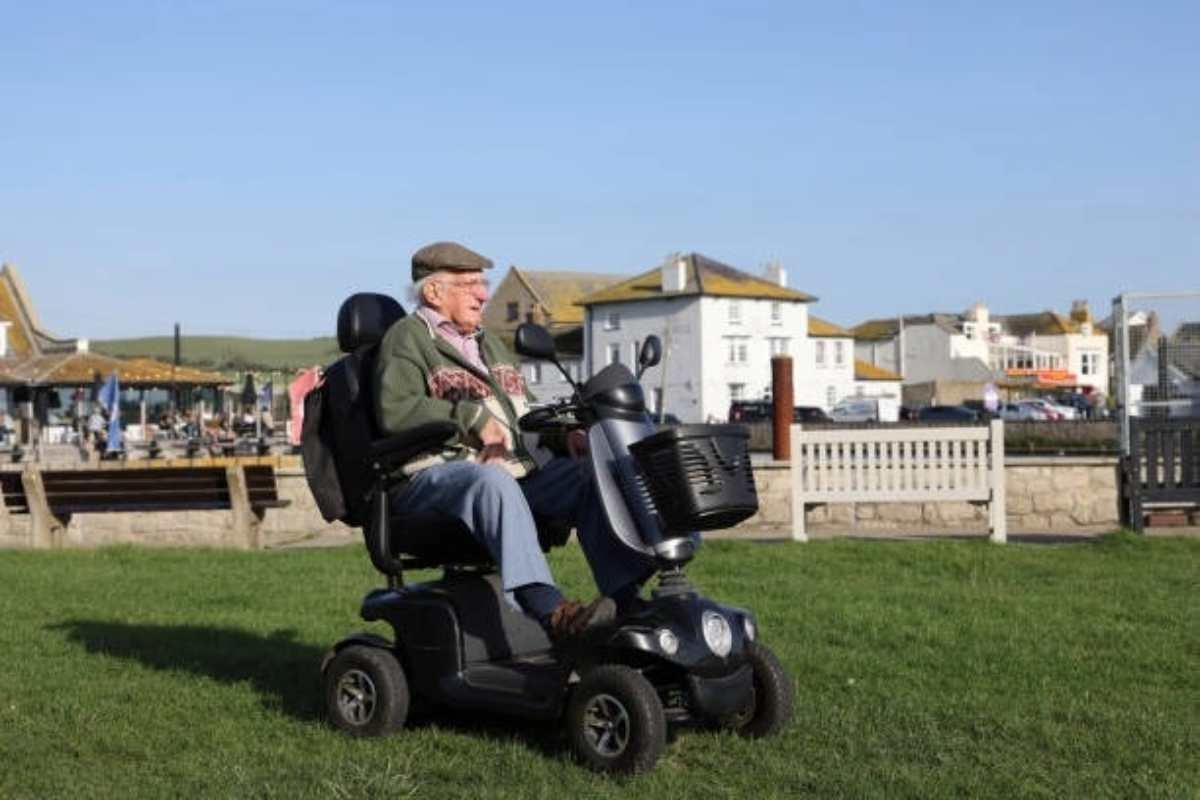
If you live with chronic obstructive pulmonary disease, you already know that a trip to the mailbox can feel like a marathon. Walking across a parking lot, shopping for groceries, or visiting family can leave you gasping and exhausted for hours. A mobility scooter for COPD can give those moments back. It lets you save your limited energy for the things you enjoy instead of spending it just getting there.
This guide explains how to choose a mobility scooter for COPD, which features matter most when breathing is your main challenge, and which models are worth your attention. We also cover oxygen equipment, travel, safety, and the questions people ask most often. By the end, you will know exactly what to look for before buying a mobility scooter for COPD.
Table of Contents
- Why a mobility scooter for COPD makes sense
- Key features to look for
- Oxygen concentrators and scooters
- Top 7 models compared (table)
- Detailed reviews
- Pros and cons
- Buying tips and safety
- FAQ
- Final thoughts
Why a Mobility Scooter for COPD Makes Sense
COPD is an umbrella term that covers emphysema and chronic bronchitis. Both conditions narrow the airways and make it harder to move air in and out of the lungs. The most common symptom is shortness of breath, and it often shows up during ordinary activity such as walking, climbing steps, or carrying bags.
Doctors commonly recommend energy conservation, which means pacing yourself and avoiding tasks that push you into breathlessness. This is where a mobility scooter for COPD fits naturally. Instead of burning oxygen on every step, you ride, and you keep your strength for conversation, hobbies, and time with people you love.
A scooter also helps with something people rarely mention: confidence. Many people with COPD start avoiding outings because they fear being stranded far from a bench. With a reliable mobility scooter for COPD, that fear shrinks, and staying active becomes realistic again. Staying socially and physically engaged is widely encouraged by lung health organizations, and a scooter supports that goal rather than replacing exercise your care team has prescribed.
Keep in mind that a scooter is a tool, not a cure. Continue any pulmonary rehabilitation program and breathing exercises recommended by your doctor. Talk with your care team before choosing a mobility scooter for COPD, especially if you also have balance, vision, or heart concerns.
Key Features to Look for in a Mobility Scooter for COPD
Not every scooter suits a person with chronic breathing problems. These are the features that matter most in a mobility scooter for COPD.
Easy, low-effort boarding. Stepping onto a scooter should not leave you winded. Look for a low floorboard, a swivel seat, and flip-up armrests so you can sit down and stand up with minimal strain.
Room for oxygen equipment. Many riders use a portable oxygen concentrator or a tank. The best scooter for COPD offers a rear basket large enough for a concentrator, a mount for a tank, or enough floor space to carry equipment safely.
Light, quick disassembly. If you travel or load the scooter into a car, you may need to lift parts. Heavy lifting can trigger breathlessness, so lighter components or a folding frame are a real advantage. A travel-friendly mobility scooter for COPD should break down into pieces you can manage, or you should have a helper who can.
Smooth, quiet ride. Rough vibration tires you out. Pneumatic or quality solid tires and adjustable seat suspension make long rides much more comfortable.
Simple controls. Look for a clear tiller, easy-to-read battery gauge, and light throttle. Controls that need little grip strength reduce fatigue.
Reliable range. Getting stuck with a dead battery is stressful, and stress worsens breathlessness. Choose a model whose real-world range comfortably covers your longest typical outing.
Stability and turning ability. Three-wheel scooters turn tighter indoors, while four-wheel models feel steadier outdoors. Choose based on where you will ride most.
Oxygen Concentrators and Your Scooter
Many people with advanced COPD use supplemental oxygen, so planning for equipment is essential. A portable oxygen concentrator is typically a small, battery-powered unit that fits in a bag. Many riders place it in the basket or hang it from the seat back, keeping the cannula tubing free of the wheels and tiller.
Some practical points when pairing equipment with a mobility scooter for COPD:
- Measure your concentrator or tank before buying and compare it with basket dimensions.
- Secure tanks upright with a proper holder; never let them roll loose.
- Keep tubing short enough to avoid snagging but long enough for comfortable movement.
- Carry spare batteries for your concentrator on longer outings.
- Never smoke or allow open flame near oxygen.
If you fly, check with your airline about approved portable oxygen concentrators and scooter battery rules. Policies differ, so confirm well before your trip. Many airlines require advance notice for both oxygen devices and mobility equipment, so planning ahead keeps travel stress low.
Top 7 Models Compared: Best Mobility Scooter for COPD
The table below compares popular models that suit riders who need to conserve energy. Specifications can vary by year and configuration, so always confirm current details with the seller before purchasing.
| Model | Best For | Type | Travel Friendly | Oxygen Equipment Fit |
|---|---|---|---|---|
| Pride Mobility Go-Go Elite Traveller | Everyday outings and car trips | 3 or 4 wheel | Yes, disassembles | Rear basket suits a small concentrator |
| Golden Technologies Buzzaround EX | Light-weight, quick disassembly | 3 wheel | Yes | Basket fits portable concentrators |
| Drive Medical Scout 4 | Value and indoor/outdoor mix | 4 wheel | Yes | Basket works for most portable units |
| Drive Medical Spitfire EX2 | Frequent travelers | 3 wheel | Yes | Compact basket for small equipment |
| Shoprider Cadiz | Comfort and narrow spaces | 3 wheel | Yes | Basket with room for gear |
| EV Rider Transport AF+ | Compact folding travel | 4 wheel | Folds quickly | Small basket; add an accessory bag |
| Pride Mobility Victory 10.2 | Longer rides and rougher ground | 3 or 4 wheel | Heavier, not ideal | Roomy basket for larger equipment |
Detailed Reviews of Each Mobility Scooter for COPD
1. Pride Mobility Go-Go Elite Traveller
The Go-Go Elite Traveller is one of the best-known travel scooters, and it is a strong first pick for a mobility scooter for COPD. It breaks into a few manageable parts, which helps if lifting is difficult. The seat is comfortable for longer outings, and the controls are simple. Choose the version that fits your space and stability preference.
2. Golden Technologies Buzzaround EX
The Buzzaround line is popular for its light frame and quick takedown. For someone whose breathing limits lifting, lighter parts matter. It works well as a mobility scooter for COPD if you want something easy to transport and maneuver in stores.
3. Drive Medical Scout 4
The Scout 4 gives you four wheels for added stability at a friendly price point. It handles smooth paths and mixed surfaces well, and it is a practical mobility scooter for COPD for riders who want steady, predictable handling.
4. Drive Medical Spitfire EX2
Built with travel in mind, the Spitfire EX2 packs into a compact form for car trunks and airline-friendly planning. If you often visit family or take trips, this travel-focused mobility scooter for COPD deserves a look.
5. Shoprider Cadiz
The Cadiz focuses on comfort and a tight turning radius, which helps in hallways, stores, and apartments. For riders who spend most time indoors or in busy shops, this is a comfortable mobility scooter for COPD.
6. EV Rider Transport AF+
This folding scooter is made for portability. It collapses quickly, so you can store it in small spaces. Because its basket is small, add a bag or holder for oxygen equipment. It suits riders who value a lightweight design above storage capacity.
7. Pride Mobility Victory 10.2
If your rides are longer and the terrain rougher, the Victory 10.2 offers a sturdier build and more seat comfort. It is heavier and harder to transport, but as a mobility scooter for COPD for daily outdoor use, it provides a smooth, stable ride.
Pros and Cons of Using a Mobility Scooter for COPD
Here is an honest look at what a mobility scooter for COPD does well and where it falls short.
Pros
- Saves energy and reduces breathlessness during outings
- Encourages independence and social activity
- Many models carry portable oxygen equipment
- Travel models fit in most car trunks
- Helps you reach places you would otherwise avoid
Cons
- Requires a cash outlay or insurance paperwork
- Needs storage and charging space
- Heavier models are difficult to transport
- Does not replace exercise or rehabilitation
- Basket space can be limited on compact models
Buying Tips and Safety for a Mobility Scooter for COPD
Before you buy, test ride if you can. Sit down, stand up, and reach the controls without stretching. Notice whether getting on and off leaves you short of breath. A scooter that feels easy in a showroom will feel easy at home.
Check weight capacity, battery type, and warranty. Ask how replacement batteries are priced and how long they last. Consider a local dealer who offers service, since repairs are easier with nearby support.
For safety on any mobility scooter for COPD, wear a seatbelt if one is available, drive slowly on slopes, and avoid crowded areas when you feel winded. Stop and rest if your breathing worsens. Keep your phone and any rescue medication within easy reach. Cold air, smoke, and strong pollution can worsen symptoms, so plan outings around weather and air quality.
Ask your doctor whether insurance or Medicare could contribute. Coverage rules are specific and depend on documented medical need, so speak with your doctor and a qualified supplier about the process.
Frequently Asked Questions
Can I get a mobility scooter for COPD through Medicare?
Possibly. Medicare may help with certain mobility devices when a doctor documents medical need, usually for use inside the home. Rules and paperwork are strict, so ask your doctor and a Medicare-enrolled supplier.
Is a three-wheel or four-wheel scooter better?
Three-wheel scooters turn tighter and suit indoor spaces. Four-wheel models are generally steadier outdoors. Pick based on where you ride most.
Can I carry oxygen on a scooter?
Yes, many riders do. Choose a model with a roomy basket or holder, secure all equipment, and keep tubing clear of the wheels.
Will a scooter make my lungs weaker?
A scooter does not weaken your lungs. It helps you conserve energy for activities you value. Continue the exercise and rehabilitation your doctor recommends.
How far can a scooter travel on one charge?
Range depends on the model, battery, rider weight, and terrain. Pick a model whose real-world range exceeds your longest typical trip.
Final Thoughts
Living with breathing difficulty does not mean giving up your independence. The right mobility scooter for COPD helps you move through the day with less strain, more confidence, and more energy left over. Think about where you ride, how you carry oxygen, and how you transport the scooter, then choose the model that fits those needs best.