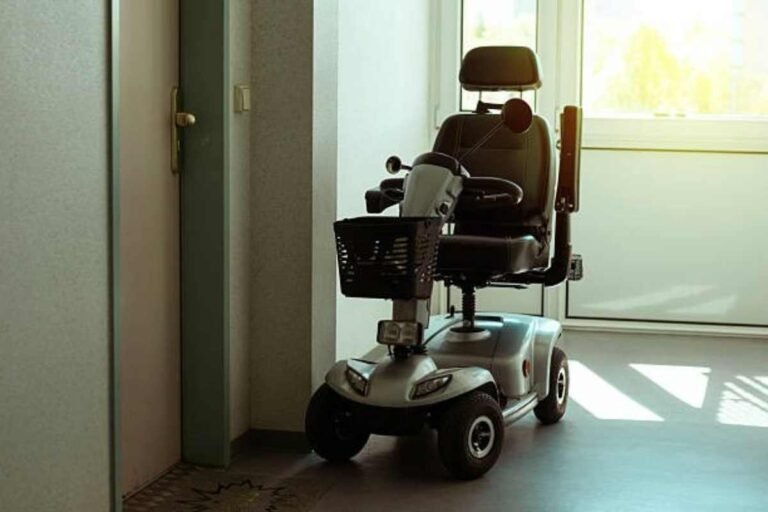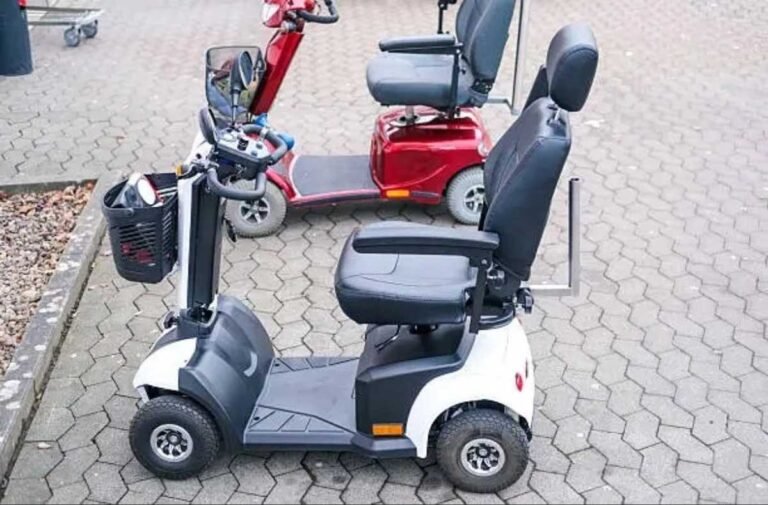
If you’re shopping for a new set of wheels or you already own one sitting in your garage, you have probably typed the same question into Google that thousands of people search every month: is a mobility scooter street legal? The honest answer is “it depends,” and in this guide we’re going to break down exactly what that means so you can ride with confidence instead of guessing.
Whether you’re commuting to the pharmacy, visiting a neighbor, or just enjoying some fresh air around the block, understanding the rules before you roll out of your driveway can save you from a fine, an accident, or an awkward conversation with a police officer. So let’s answer the question properly: is a mobility scooter street legal in your city, and what actually determines that answer? By the end of this guide, you’ll know exactly how to check is a mobility scooter street legal where you live.
Quick Answer: Is a Mobility Scooter Street Legal?
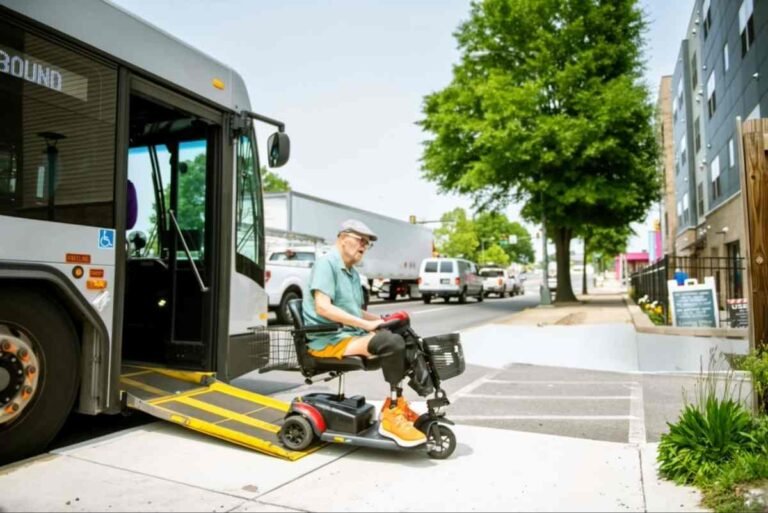
In most of the United States, a mobility scooter is legal to operate on sidewalks and crosswalks, but it is generally not legal to drive on public streets or highways unless local law specifically allows it. The federal government classifies mobility scooters as “power-driven mobility devices” under the Americans with Disabilities Act (ADA), which protects your right to use one in public spaces, but street use is regulated separately by state and city traffic codes.
So when someone asks is a mobility scooter street legal, the real answer usually splits into three parts:
- Sidewalks: Almost always legal, since scooters are treated similarly to wheelchairs.
- Crosswalks and street crossings: Legal, since you need a way to get from one sidewalk to another.
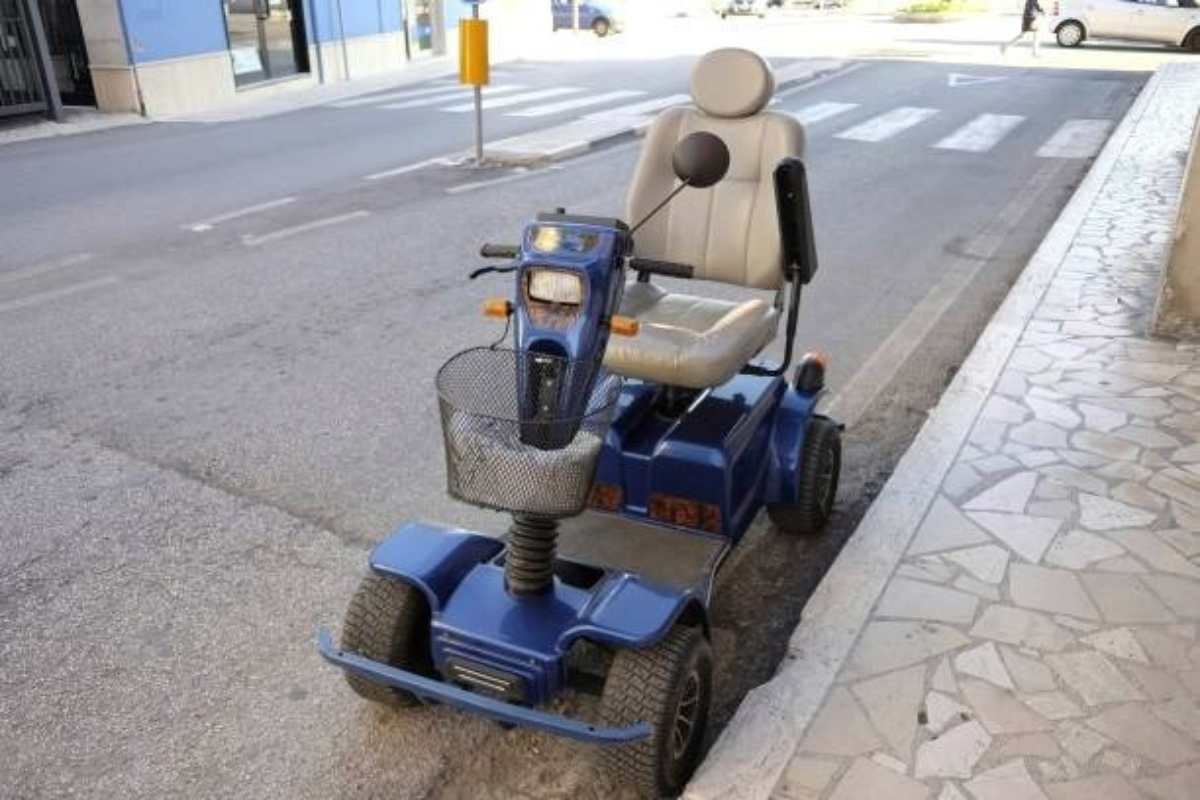
- Full street or road travel: Legal only in specific situations, like crossing a road with no sidewalk, or in low-speed zones where local ordinances allow slower vehicles.
Why the Rules Vary So Much by Location
One of the biggest reasons people struggle to get a straight answer to is a mobility scooter street legal is that the United States doesn’t have one federal traffic law covering scooters. Instead, each state Department of Transportation, and often each individual city, sets its own definitions for what counts as a “motorized wheelchair,” a “power mobility device,” or a “low-speed vehicle.”
For example:
- Some states classify mobility scooters the same as motorized wheelchairs, meaning they follow pedestrian rules everywhere, including on the shoulder of a road if no sidewalk exists.
- Other states require a scooter to have a top speed under a certain limit, usually 8 mph, to qualify for sidewalk and street-shoulder use without registration.
- A few municipalities require reflectors, a slow-moving vehicle triangle, or a flag on a pole if you plan to travel along any roadway, even briefly.
This patchwork is exactly why the question is a mobility scooter street legal doesn’t have a single nationwide answer, and why checking your specific state DMV or city transportation department page is always the safest first step before your first ride.
What Determines Whether Your Scooter Can Be Used on the Road
When regulators and city planners try to answer is a mobility scooter street legal for a given model, they typically look at a handful of factors:
Top speed. Most 3-wheel and 4-wheel travel scooters top out between 4 and 8 mph, which keeps them in the same category as a fast pedestrian or a wheelchair. Scooters that push past 15 mph, closer to a moped or a low-speed electric vehicle, are far more likely to trigger licensing and registration requirements.
Class designation. Some regions use a class system similar to e-bike laws, where a scooter’s motor wattage and speed determine whether it needs lights, mirrors, or a horn to be street ready.
Intended use. A scooter marketed and designed purely for indoor and sidewalk mobility, like a compact travel model, is treated differently than a heavier all-terrain outdoor scooter built with larger tires and suspension for rougher paths.
Local infrastructure. In rural areas without continuous sidewalks, many towns explicitly allow mobility scooters on the road shoulder, since there’s no realistic alternative route.
Insurance and liability considerations. A few insurers now offer optional coverage for outdoor mobility scooters, and while it’s rarely mandatory, having it can make the is a mobility scooter street legal conversation with local authorities much smoother if an incident ever occurs.
Comparison Table: Mobility Scooter Models and Their Street-Legal Features
Below is a comparison of popular mobility scooter models and the features that affect whether they’re suited for sidewalk-only use versus occasional road-shoulder travel.
| Model | Top Speed | Class/Type | Lights & Reflectors | Best Suited For |
|---|---|---|---|---|
| Pride Mobility Go-Go Elite Traveller | 4 mph | 3-wheel travel scooter | Reflectors standard | Sidewalks, indoor/outdoor errands |
| Golden Technologies Buzzaround EX | 4 mph | 4-wheel compact scooter | Reflectors, optional LED headlight | Sidewalks, shopping trips |
| Drive Medical Scout Compact | 4 mph | 3-wheel travel scooter | Basic reflectors | Sidewalks, apartment/community use |
| EV Rider Transport AF+ | 4.5 mph | 4-wheel folding scooter | Reflectors, headlight included | Sidewalks, mixed indoor/outdoor |
| Shoprider Cameo 4-Wheel | 5 mph | 4-wheel mid-size scooter | Headlight, taillight, reflectors | Neighborhood streets with low traffic, sidewalks |
| Pride Mobility Victory 10.2 | 8 mph | 4-wheel outdoor scooter | Full headlight, taillight, turn signals | Road shoulders, rural routes, longer outdoor trips |
As the table shows, the models built for genuine outdoor and road-adjacent use, like the Pride Mobility Victory 10.2, come equipped with the lighting package that many local ordinances require before you can legally travel along a roadway, even for short stretches. If your goal is mostly sidewalk errands, a compact model like the Golden Technologies Buzzaround EX or Drive Medical Scout Compact is plenty, since they’re not designed for anything beyond crosswalks and shoulder crossings anyway.
Sidewalk vs Street: Understanding the Real Difference
A lot of the confusion around is a mobility scooter street legal actually comes down to people mixing up “sidewalk legal” with “street legal.” These are two very different classifications:
- Sidewalk legal means the device is allowed to travel on pedestrian pathways, generally under the same protections as a wheelchair under the ADA.
- Street legal in the traditional sense (like a car or motorcycle) usually implies registration, a license plate, insurance, and sometimes a driver’s license.
Mobility scooters almost never meet the traditional definition of “street legal” the way a car does, and honestly, they’re not supposed to. Framing the question as is a mobility scooter street legal in the automotive sense sets you up for a “no” almost every time, since that was never the intended use case.
They’re built to help people with limited mobility navigate short distances safely, not to replace a vehicle on a highway. So if you’re asking is a mobility scooter street legal in the sense of “can I drive it in the middle lane of a busy road,” the answer is almost always no, and doing so could be genuinely dangerous given how much slower and lower to the ground a scooter is compared to traffic.
What Happens If You Ride Where It Isn’t Allowed
Enforcement varies a lot by city, but riding a scooter somewhere it isn’t permitted can lead to a few outcomes:
- A warning or verbal notice from a local officer, especially in areas where scooter riders are common
- A citation or small fine in stricter municipalities
- In rare cases, a request to remove the scooter from the roadway if it’s creating a traffic hazard
Most of the time, officers are lenient with mobility scooter users, recognizing the ADA protections in place, but it’s still worth checking your local rules so you’re never caught off guard. Knowing the answer to is a mobility scooter street legal before you ride, rather than after an officer asks, is always the better position to be in.
Common Real-World Scenarios
To make this even more practical, here’s how the is a mobility scooter street legal question plays out in a few everyday situations:
- Crossing a busy intersection with no marked crosswalk: Most cities allow a brief street crossing here, since there’s no other safe way through, even though full street travel wouldn’t be permitted.
- Riding through a small town with no sidewalks at all: This is one of the clearest cases where is a mobility scooter street legal tends to get answered “yes,” since many rural ordinances explicitly allow scooters on the road shoulder when no pedestrian path exists.
- Traveling several blocks in a dense city with full sidewalk coverage: Here, sticking to the sidewalk is both the legal expectation and the safer choice, since the street itself likely isn’t approved for scooter use.
- Using a scooter in a private retirement community or gated neighborhood: Community rules, rather than city traffic law, usually govern this, so is a mobility scooter street legal may have a different answer inside private property than it does on public roads.
Tips for Staying Safe and Compliant
- Check your state and city rules first. A quick search for your state DMV plus “mobility scooter rules” will usually surface the exact regulations for your area, and it’s the single fastest way to settle is a mobility scooter street legal for your specific address.
- Add visibility accessories. Even if not required, a flag, reflectors, or a small LED light make you far more visible to drivers, especially at dawn, dusk, or night.
- Stick to sidewalks and marked crossings whenever possible. This is the safest option and avoids the legal gray area entirely.
- Choose the right scooter class for your needs. If you mostly run errands nearby, a compact travel scooter is ideal. If you live somewhere without continuous sidewalks, an outdoor-class scooter with lights and a higher top speed, like the Pride Mobility Victory 10.2, is the safer and more compliant choice.
- Carry ID or documentation if your area requires registration. A handful of states do require some form of registration for higher-speed mobility devices, so it pays to check ahead of time.
Frequently Asked Questions
Is a mobility scooter street legal in every US state?
No. There is no single federal rule, so is a mobility scooter street legal depends entirely on the state and city you live in. Some areas allow shoulder travel on low-traffic roads, while others restrict scooters strictly to sidewalks and crosswalks.
Is a mobility scooter street legal without a license or registration?
In most cases, yes, since mobility scooters are treated as pedestrian mobility aids rather than motor vehicles. However, a handful of states do require light registration for higher-speed outdoor models, so it’s worth confirming locally before you assume is a mobility scooter street legal applies the same way everywhere.
Is a mobility scooter street legal at night?
It can be, but only if the scooter is equipped with proper lighting, reflectors, and ideally a flag for visibility. Riding at night without these features raises both the safety risk and the chance that local law enforcement will consider the scooter non-compliant.
Is a mobility scooter street legal on bike lanes?
Some cities do permit mobility scooters in bike lanes when no sidewalk is available, though this varies widely. Always check municipal code rather than assuming, since the answer to is a mobility scooter street legal in a bike lane is far from universal.
Does buying a faster scooter change whether it’s street legal?
Yes, speed is one of the biggest factors regulators use. A scooter capped around 4 to 5 mph is almost always treated as sidewalk-only, while models like the Pride Mobility Victory 10.2 that reach 8 mph with full lighting are more often approved for limited road-shoulder use, which shifts the practical answer to is a mobility scooter street legal in your favor.
Final Thoughts
So, is a mobility scooter street legal? In the vast majority of cases, mobility scooters are legal on sidewalks and crosswalks under ADA protections, but they are not generally legal for full street or highway travel unless a specific local exception applies, such as a rural road with no sidewalk.
The safest approach is always to check your city and state rules directly, choose a scooter model with the right speed class and safety features for how you actually plan to use it, and lean on sidewalks and marked crossings whenever they’re available.
If you’re still deciding which scooter fits your lifestyle, look closely at top speed, lighting, and tire type before you buy, since these are the same factors that determine how confidently you can answer is a mobility scooter street legal for your own daily routine.