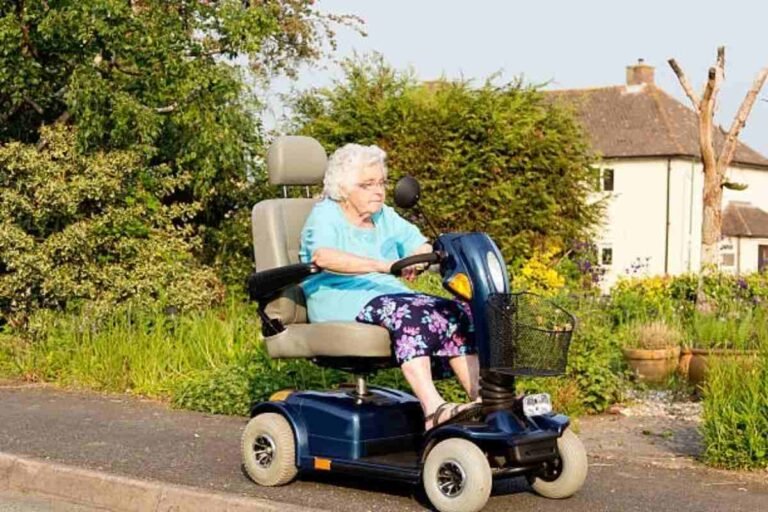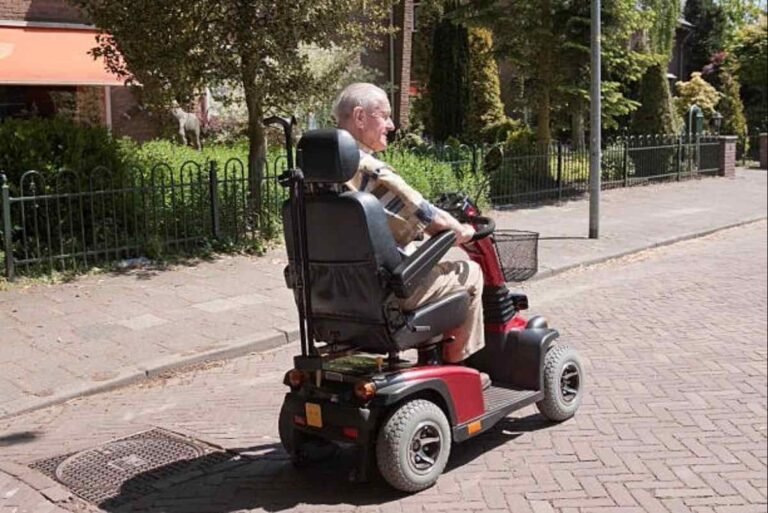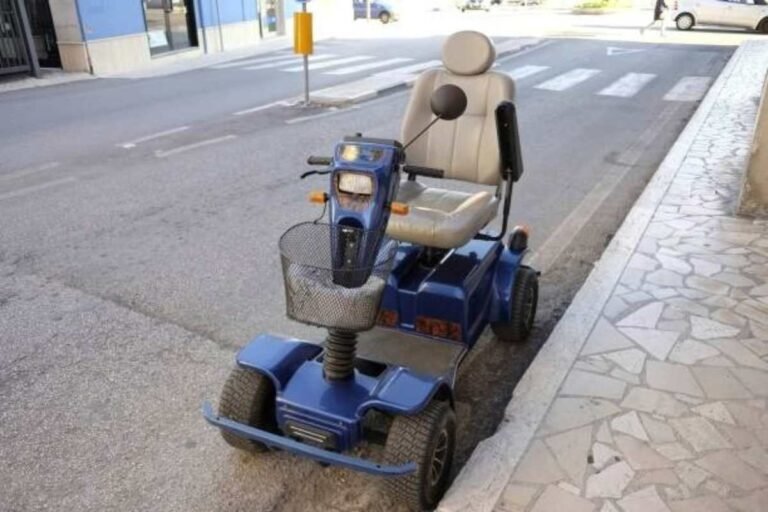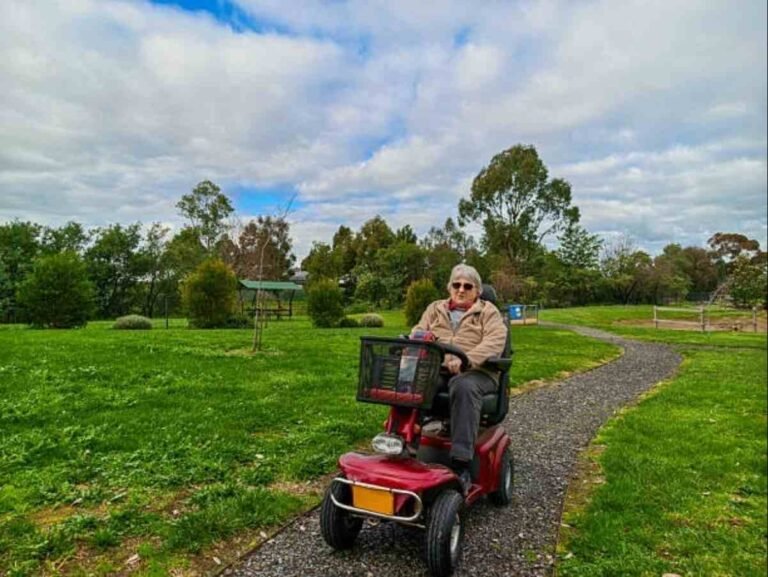
Riding a mobility scooter should feel liberating, not risky. Yet every year, thousands of preventable accidents happen simply because riders never learned the basics. Whether you’re brand new to powered mobility or you’ve been riding for years, following the right mobility scooter safety tips can mean the difference between a confident, independent lifestyle and a trip to the emergency room. This guide walks through everything you need to know, from pre-ride checks to choosing a scooter with the right safety features built in, covering the mobility scooter safety tips that matter most at every stage of ownership.
Why Mobility Scooter Safety Tips Matter More Than You Think
Mobility scooters are not toys, and they’re not cars either — they occupy a unique middle ground that confuses a lot of new riders. They can reach speeds of 8-10 mph on some outdoor models, weigh several hundred pounds, and are often used by people with balance issues, limited grip strength, or reduced reaction time. That combination is exactly why mobility scooter safety tips exist in the first place: a small mistake, like misjudging a curb or forgetting to check tire pressure, can lead to a tip-over or collision.
Insurance data and hospital reports consistently show that most scooter accidents aren’t caused by faulty equipment. They’re caused by user error — riding too fast on uneven terrain, ignoring weather conditions, or using a scooter that doesn’t match the rider’s needs. That’s why the smartest mobility scooter safety tips focus as much on rider habits as they do on the machine itself. If you take away nothing else from this guide, remember that mobility scooter safety tips work best when they become habits rather than one-time reminders.
Pre-Ride Safety Checks You Should Never Skip
Before you even turn the key, a quick inspection routine is one of the most overlooked mobility scooter safety tips out there.
- Check tire pressure and tread. Underinflated tires reduce stability and increase tipping risk, especially on turns.
- Test the brakes. Squeeze or press the brake lever and confirm it engages smoothly without delay.
- Inspect the battery charge. Never head out with less than a full charge if you’re planning a long trip; running out of power in traffic or on a hill is dangerous.
- Look at the seat and armrests. Make sure they’re securely locked in place before you sit down.
- Check lights and mirrors if your model has them, particularly for evening rides.
Building this into your routine takes less than two minutes but eliminates a huge share of preventable incidents. It’s one of those mobility scooter safety tips that feels tedious until the one day it saves you from a breakdown mid-route. Many riders skip this step for months without issue, but the whole point of mobility scooter safety tips like a pre-ride check is that they catch the one time something actually goes wrong.
Choosing a Scooter With Safety Built In
Not all scooters are created equal when it comes to stability and safety features, and this is where many of the best mobility scooter safety tips actually start — at the buying stage.
The Pride Mobility Go-Go Elite Traveller is a popular travel scooter with a low center of gravity and anti-tip wheels, making it a solid pick for riders who want extra stability without sacrificing portability. For heavier-duty outdoor use, the Golden Technologies Buzzaround EX offers a wider wheelbase and stronger suspension, which helps significantly on uneven sidewalks and gravel paths.
Riders who need something rugged should look at the EV Rider Vita Monster, a 4-wheel all-terrain scooter with oversized tires and a suspension system built specifically to reduce tip-over risk on rough ground. The Drive Medical Scout Compact is another well-reviewed option, known for its tight turning radius, which actually improves indoor safety by reducing collisions in tight hallways. Finally, the AFIKIM Afiscooter S3, a heavier-duty model, includes a wider stance and higher weight capacity, giving larger riders more stability at speed.
| Scooter Model | Wheel Configuration | Key Safety Feature | Best For |
|---|---|---|---|
| Pride Mobility Go-Go Elite Traveller | 3-wheel | Anti-tip wheels, low center of gravity | Travel & light indoor/outdoor use |
| Golden Technologies Buzzaround EX | 4-wheel | Wide wheelbase, reinforced suspension | Outdoor stability on uneven terrain |
| EV Rider Vita Monster | 4-wheel | Oversized tires, all-terrain suspension | Rugged outdoor and off-road paths |
| Drive Medical Scout Compact | 3-wheel | Tight turning radius | Indoor navigation & tight spaces |
| AFIKIM Afiscooter S3 | 4-wheel | Wide stance, high weight capacity | Larger riders needing extra stability |
When comparing models, always weigh stability features against your typical terrain. Someone riding mostly on flat sidewalks doesn’t need the same setup as someone navigating gravel driveways or sloped yards, and matching the machine to the environment is one of the mobility scooter safety tips that’s easy to overlook. Reading a few verified owner reviews before buying is also one of the more underrated mobility scooter safety tips, since real riders often flag stability issues that spec sheets don’t mention.
On-the-Road Habits That Prevent Accidents
Good equipment only gets you halfway there. The rest comes down to how you actually ride. These mobility scooter safety tips apply whether you’re on a sidewalk, in a store, or crossing a parking lot.
- Slow down before turns. Most tip-overs happen when riders take corners at full speed. Reduce speed well before you start turning.
- Avoid steep slopes and cambered surfaces. Even scooters rated for outdoor use have a maximum safe incline, usually listed in the owner’s manual.
- Never carry items that block your view or unbalance the scooter. Use a basket or rear carrier instead of hanging bags from the handlebars.
- Cross streets at designated crossings. Drivers may not always see a scooter at intersection level, so timing and visibility matter.
- Keep both hands on the controls at all times. Reaching for a phone or bag mid-ride is a leading cause of loss of control.
- Watch for uneven pavement, potholes, and curb cuts. These are common causes of sudden jolts that can throw a rider off balance.
- Reduce speed in crowded areas. Malls, markets, and sidewalks with foot traffic require a much slower pace than open paths.
Following these mobility scooter safety tips consistently, rather than just when you remember, is what actually reduces long-term accident risk. It also helps to practice these mobility scooter safety tips in a familiar, low-traffic area before relying on them in busier environments like downtown sidewalks or shopping centers.
Weather and Visibility Considerations
Weather is one area where mobility scooter safety tips often get ignored, and it’s a factor that a lot of riders underestimate. Rain reduces tire grip significantly, and many scooters aren’t fully water-resistant, so electrical components can be affected by prolonged exposure. Wind can also destabilize lightweight travel scooters, particularly on open paths or bridges. One of the more practical mobility scooter safety tips for bad weather is simply to postpone non-essential trips until conditions improve, rather than pushing through rain or high wind. Checking a local forecast before heading out is a small habit, but it’s one of the mobility scooter safety tips that prevents you from getting caught far from home when conditions suddenly shift.
For unavoidable low-light rides, reflective clothing, a flag attachment, and functioning headlights or taillights dramatically improve how visible you are to drivers and pedestrians. Some riders add aftermarket LED strips or reflective tape to the rear of the scooter for extra visibility during dusk or early morning trips.
Maintenance Habits That Support Long-Term Safety
Safety isn’t a one-time setup; it’s ongoing. Regular maintenance is consistently ranked among the most important mobility scooter safety tips by occupational therapists and mobility specialists, and it’s one of the mobility scooter safety tips that’s easiest to build into a monthly routine.
- Charge the battery fully after each significant use, and avoid letting it sit fully depleted for long periods, which shortens battery lifespan and can lead to unexpected power loss.
- Have brakes inspected every few months, since brake pad wear isn’t always obvious until stopping distance increases.
- Keep the scooter clean and dry, especially the underside, to prevent corrosion around electrical connections.
- Check bolts and fasteners periodically, as vibration from regular riding can loosen them over time.
- Store the scooter indoors or under cover when possible, since prolonged sun and rain exposure degrades tires and upholstery faster.
A scooter that’s well-maintained behaves predictably, and predictability is at the core of every safety strategy. Riders who treat maintenance as one of their core mobility scooter safety tips tend to have fewer unexpected breakdowns and a longer-lasting machine overall.
Getting Properly Fitted and Trained
Many accidents trace back to a rider using a scooter that doesn’t fit them properly, or one they were never properly trained on. Before your first solo ride, spend time in a controlled, open space practicing turns, stops, and reversing. Adjust the seat height so your feet rest comfortably, and confirm the tiller (steering column) is positioned so you’re not overreaching. If your scooter came from a medical supplier, ask about a fitting session; if you bought online, many manufacturers post basic operation videos that cover the fundamentals.
This step is often left out of general safety advice, but it belongs at the top of any serious list of mobility scooter safety tips, because comfort and correct fit directly affect reaction time and control. Caregivers and family members who might occasionally operate the scooter should go through the same basic training, since these mobility scooter safety tips apply to every rider, not just the primary user.
Common Mistakes Even Experienced Riders Make
- Overestimating battery range and getting stranded far from home.
- Ignoring weight limits, which affects both stability and braking performance.
- Skipping the owner’s manual entirely, missing model-specific warnings about slopes or terrain.
- Riding at night without lights, assuming daytime habits are enough.
- Letting others operate the scooter without training, especially children or visiting family members.
Avoiding these mistakes is just as important as following the more obvious mobility scooter safety tips like slowing down on turns or checking tire pressure. In fact, most emergency room visits linked to powered mobility devices trace back to one of these overlooked mobility scooter safety tips being ignored rather than a mechanical failure.
Final Thoughts
Staying safe on a mobility scooter comes down to combining the right equipment with consistent, sensible habits. From pre-ride checks and weather awareness to choosing a model with proven stability features like the Pride Mobility Go-Go Elite Traveller or the EV Rider Vita Monster, every layer of precaution adds up. Keep these mobility scooter safety tips in mind every time you head out, and mobility scooters remain exactly what they’re meant to be: a tool for independence, not a source of risk. Revisit this list of mobility scooter safety tips every so often, especially after buying a new model or changing your regular routes.