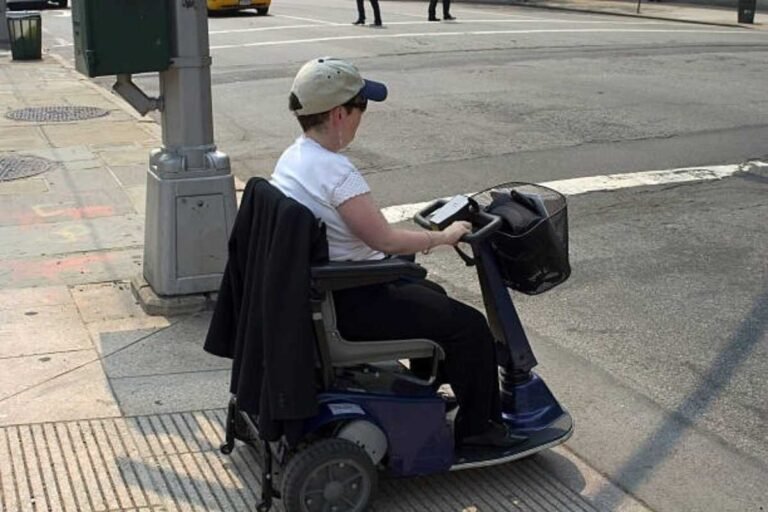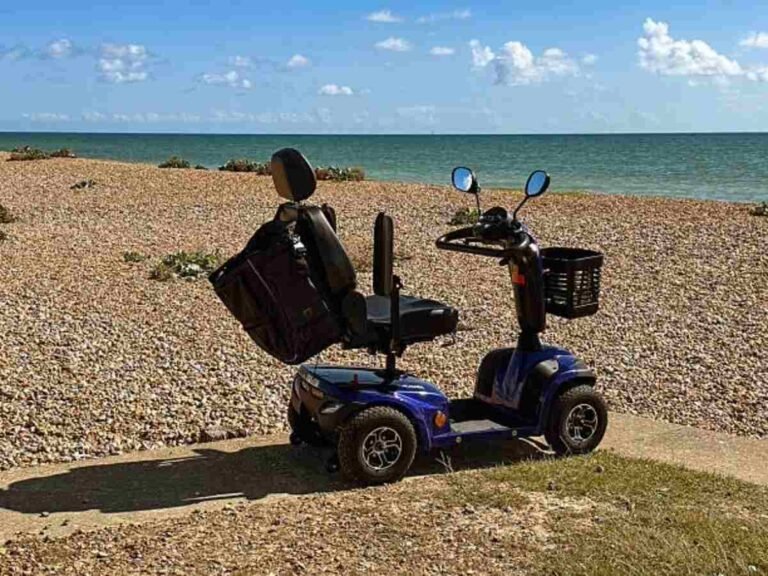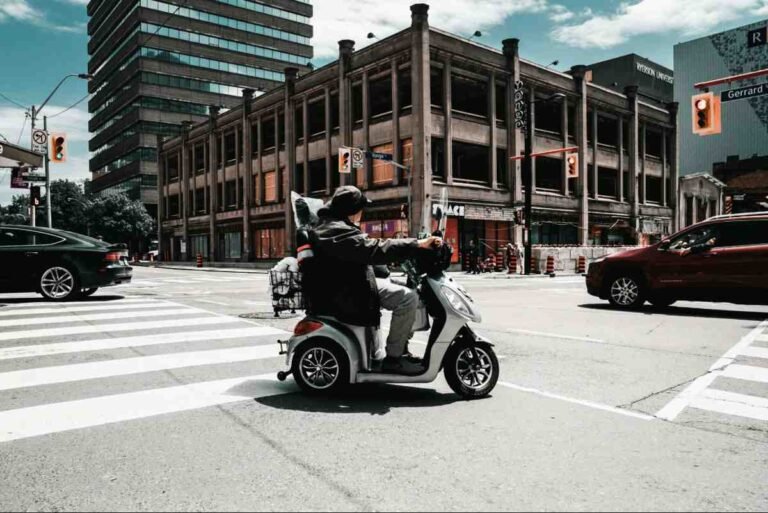
If you are considering buying a mobility scooter, one of the very first questions that comes to mind is simple: do you need a mobility scooter license to operate one? It is a fair question, especially if you have not driven anything motorized since giving up your car keys, or if you are helping an aging parent choose their first scooter. The good news is that in most cases, a mobility scooter license is not required in the United States.
But the full answer depends on how the scooter is classified, where you plan to use it, and which state you live in. This guide breaks down everything you need to know before you buy, so you never find yourself confused about a licensing requirement after the purchase is already made.
Why People Assume a Mobility Scooter License Is Needed
It is easy to see why so many people assume a mobility scooter license is mandatory. Mobility scooters look like small motor vehicles, they have throttles, brakes, and can reach speeds of 4 to 8 miles per hour. Because they resemble mopeds or golf carts, first-time buyers often expect the same paperwork that comes with driving a car. In reality, this licensing question is almost always answered by classification rather than by general traffic law. Devices sold as Power Operated Vehicles, or POVs, are treated as medical mobility aids rather than motor vehicles, which changes the entire licensing conversation.
How Mobility Scooters Are Classified
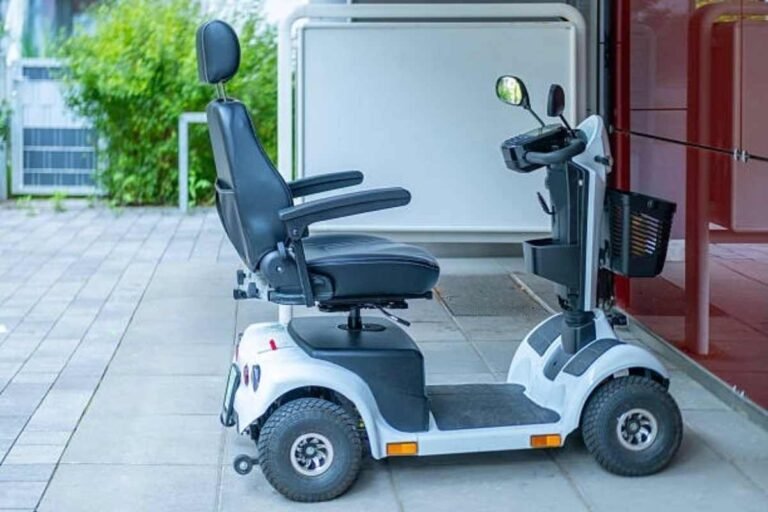
In the United States, the Food and Drug Administration classifies mobility scooters as Power Operated Vehicles under durable medical equipment rules. This classification is the reason a mobility scooter license is not needed for most personal-use models like the Pride Mobility Go-Go Elite Traveller, the Golden Technologies Buzzaround EX, or the Drive Medical Scout Compact. These scooters are designed for sidewalks, indoor spaces, and pedestrian areas, not public roads, which is exactly why no license, registration, or insurance is required to operate them under federal guidelines.
However, classification changes once a scooter is heavier, faster, or built for road use. Larger road-capable scooters and some three-wheel models used in rural areas can blur this line, and this is where a mobility scooter license question becomes more state-specific rather than federal.
Does a Mobility Scooter License Depend on Your State?
Yes, and this is the part most buyers overlook. While federal law treats mobility scooters as medical devices, individual states can still apply their own vehicle codes if a scooter is used on public roads rather than sidewalks. In practice, very few states require a mobility scooter license for personal, sidewalk-based use. States like Florida, Texas, California, and Arizona, which all have large populations of scooter users, generally do not require a license, registration, or a specific age limit for standard POV-class scooters used on sidewalks and in pedestrian zones.
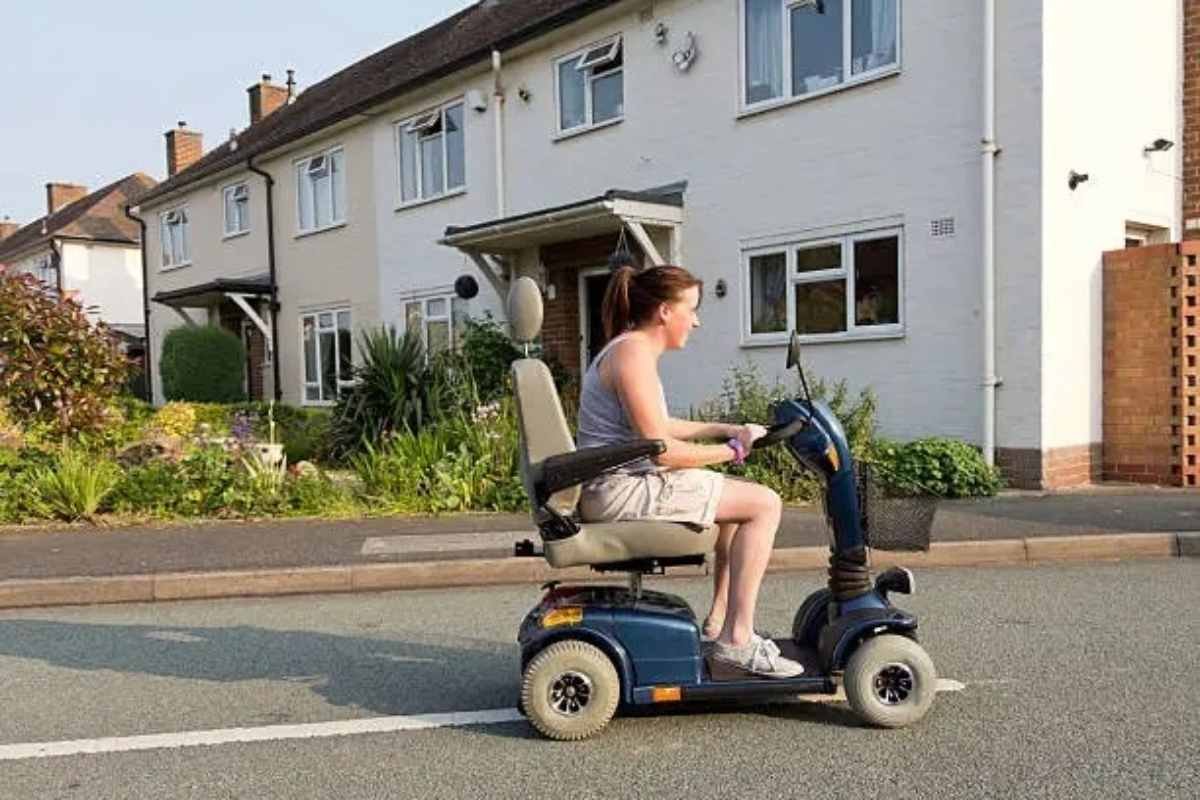
Where things shift is road use. If a scooter must legally travel on a road because no sidewalk exists, most states classify it similarly to a pedestrian or wheelchair user, still without demanding a license, but they may require reflectors, a slow-moving vehicle emblem, or use only during daylight hours. Always check your local Department of Motor Vehicles page if you plan to use your scooter primarily outdoors near traffic, since a mobility scooter license requirement, though rare, is set at the state rather than federal level.
Mobility Scooter License Requirements by Use Case
To make this easier to understand, here is a comparison table showing how mobility scooter license requirements typically change based on where and how the scooter is used.
| Use Case | Typical License Requirement | Registration Needed | Example Models |
|---|---|---|---|
| Sidewalk and indoor use (most common) | No license required | No | Pride Mobility Go-Go Elite Traveller, Golden Technologies Buzzaround EX |
| Grocery store and mall use | No license needed | No | Drive Medical Scout Compact, Shoprider Echo |
| Neighborhood road use (no sidewalks) | No license required in most states, safety accessories may be required | No | EV Rider Transport AF+ Folding Scooter |
| Rural or highway-adjacent road use | Varies by state, check local DMV; a mobility scooter license is still uncommon | Rarely | AFIKIM Afiscooter S3 |
| Airport, cruise ship, or theme park use | No license required; operator rules by venue apply instead | No | Pride Mobility Victory 10.2 |
This table makes it clear that for the overwhelming majority of buyers, a license simply is not part of the equation. The exceptions are narrow and mostly involve unusual road situations rather than everyday use.
What About Insurance Instead of a License?
Even though a mobility scooter license is not typically required, many users still ask about insurance. Liability insurance is optional in nearly every state, but it is worth considering if you plan to use your scooter frequently in public spaces, shopping centers, or busy sidewalks. Some retirement communities and assisted living facilities actually require proof of liability coverage as part of their internal policy, even though no license or state-level insurance mandate exists. This is separate from licensing altogether, but buyers frequently confuse the two requirements.
International Rules: UK, Canada, and Beyond
If you are researching a mobility scooter license because you or a family member live outside the United States, the rules can look different. In the United Kingdom, scooters are split into Class 2 (pavement only, up to 4 mph, no license needed) and Class 3 (road-legal, up to 8 mph, which does require registration with the DVLA, though still not a traditional driving license).
In Canada, most provinces treat mobility scooters the same way the United States does, with no license required for sidewalk-class devices. If you are shopping from outside the US, always confirm your country’s specific classification system before assuming American rules apply directly.
Choosing a Scooter That Avoids License Headaches Entirely
If your goal is to avoid any mobility scooter license conversation altogether, the simplest path is choosing a POV-classified scooter designed for sidewalks and indoor spaces. The Pride Mobility Go-Go Elite Traveller is a strong choice for buyers who want airline-friendly portability with zero licensing concerns. For users who need more stability outdoors, the Golden Technologies Buzzaround EX offers a wider wheelbase while remaining fully within the no-license POV category. Buyers who split time between indoor errands and neighborhood sidewalks often choose the Drive Medical Scout Compact, since its compact turning radius handles tight spaces without triggering any road-vehicle classification.
For users covering longer outdoor distances, the EV Rider Transport AF+ Folding Scooter remains license-free while offering a longer battery range, and the AFIKIM Afiscooter S3 is popular among buyers in rural areas who want extra ground clearance without stepping into road-vehicle licensing territory. None of these models require a special license, which is exactly why they dominate recommendation lists for first-time buyers.
Frequently Asked Questions About Mobility Scooter License Rules
Do you need a mobility scooter license to buy one from a store? No. Retailers do not require proof of a mobility scooter license, a doctor’s note, or a prescription to purchase most POV-class scooters, although some retailers may ask about intended use for warranty purposes.
Can this type of license be revoked like a driver’s license? Since a mobility scooter license generally does not exist for standard POV scooters, there is nothing to revoke. Venues such as malls or airports can still restrict use for safety reasons, but this is a property policy, not a licensing action.
Does age affect mobility scooter license requirements? In most states, there is no minimum age tied to a mobility scooter license because none is required, though some manufacturers set their own recommended age guidelines for safety reasons.
Will a mobility scooter license ever become mandatory nationwide? There has been no significant federal movement toward requiring a mobility scooter license, since these devices remain classified as medical equipment rather than motor vehicles. Any future changes would most likely happen at the state level first.
What to Do If You Travel Between States or Countries
Snowbirds and frequent travelers often worry the most about scooter laws, since they split time between multiple states or even multiple countries each year. If you winter in Florida and summer in a state with different sidewalk regulations, the good news is that POV-class scooter rules rarely change enough to matter, since federal medical device classification travels with the equipment rather than resetting at each state line.
The main things to double-check before a trip are local sidewalk width rules, whether your destination requires a slow-moving vehicle emblem for road-adjacent paths, and whether the venue you are visiting, such as a cruise line or theme park, has its own scooter rental policy. Keeping your scooter’s manual and proof of purchase handy can also help if a venue asks about battery type before allowing it on board a plane or ship.
Final Thoughts on the Mobility Scooter License Question
For nearly every buyer, the mobility scooter license question has a reassuring answer: you almost certainly do not need one. Because mobility scooters are classified as medical devices rather than motor vehicles, the licensing, registration, and insurance requirements that apply to cars and mopeds simply do not carry over.
The only time a mobility scooter license conversation becomes relevant is in narrow road-use situations, and even then, most states substitute safety equipment requirements rather than formal licensing. Whether you choose the Pride Mobility Go-Go Elite Traveller, the Golden Technologies Buzzaround EX, or the AFIKIM Afiscooter S3, you can shop with confidence knowing a mobility scooter license will not stand between you and greater independence.