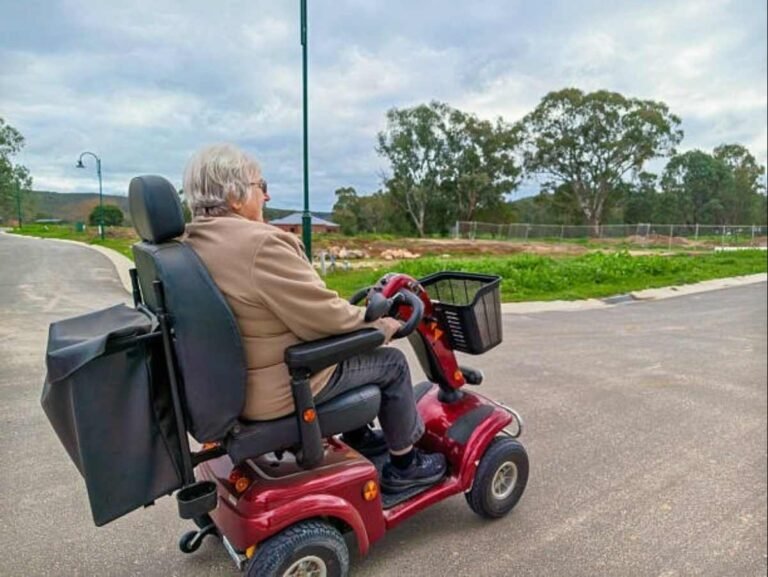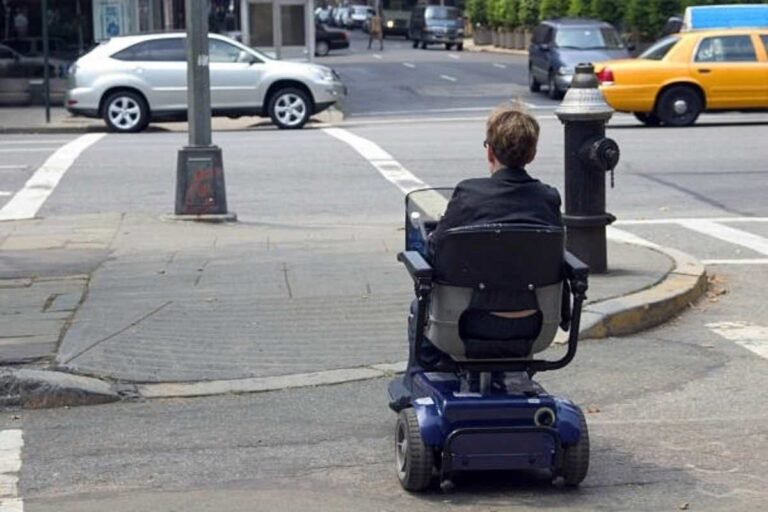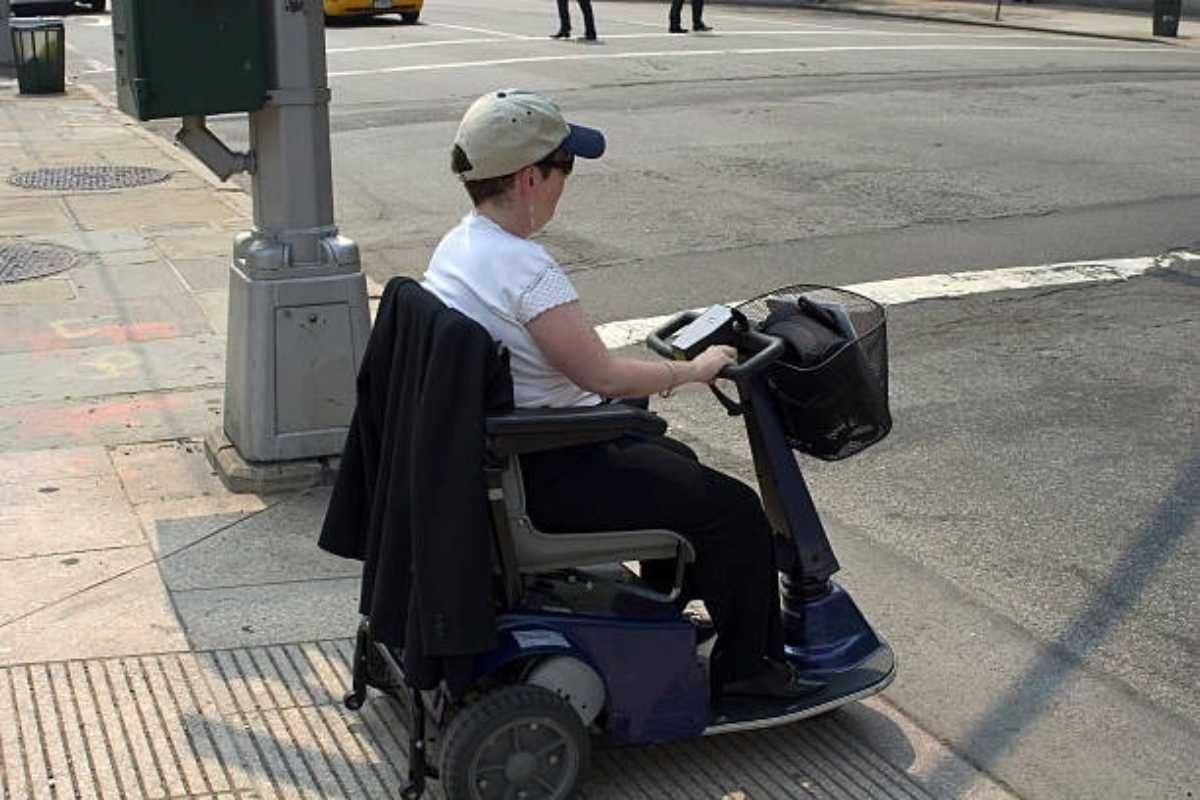
If you’ve ever tried to navigate a tight hallway, a crowded store aisle, or a small apartment on a scooter that just won’t turn where you need it to, you already understand why mobility scooter turning radius matters so much. It’s one of those specs that rarely gets the spotlight, yet it can make or break your everyday experience with a new scooter. In this guide, we’ll walk through what mobility scooter turning radius actually means, why it matters, and which real models on the market handle tight spaces best.
What Is Mobility Scooter Turning Radius?
Mobility scooter turning radius refers to the smallest circular space a scooter needs to make a complete U-turn without stopping, backing up, or repositioning. It’s usually measured in inches or feet, from the outer edge of one turn to the outer edge of the opposite side. A smaller number means a tighter, more maneuverable turn, while a larger number means the scooter needs more open space to change direction.
For anyone living in an apartment, navigating narrow doorways, or shopping in stores with cramped aisles, this spec often matters just as much as top speed or battery range. A scooter with a wide turning radius might have excellent range and power, but if you can’t turn it around in your own kitchen, that power doesn’t help you much.
Why Mobility Scooter Turning Radius Matters for Everyday Use
Most buyers focus on speed, weight capacity, and battery life when shopping for a scooter, and while those specs are important, mobility scooter turning radius deserves just as much attention if you plan to use your scooter indoors or in tight public spaces.
Think about the places you actually navigate daily: grocery store aisles, elevators, bathroom doorways, restaurant seating areas, and hallways at home. A compact turning radius lets you glide through these spaces with confidence, while a wide turning radius can leave you stuck, having to reverse and reposition multiple times just to get through a doorway.
This is especially important for anyone who splits time between indoor and outdoor use. If most of your day happens inside a home, office, or care facility, prioritizing a tight mobility scooter turning radius will save you a lot of frustration compared to focusing purely on outdoor performance specs.
What Affects a Scooter’s Turning Radius?
Several design factors influence mobility scooter turning radius, and understanding them helps you compare models more accurately.
Wheelbase length. Scooters with a shorter distance between the front and rear wheels generally achieve a tighter turning radius, since there’s less scooter length to swing around during a turn.
Wheel configuration. Three-wheel scooters typically offer a smaller mobility scooter turning radius than four-wheel models because the single front wheel can pivot more sharply. Four-wheel scooters trade some of that tightness for extra stability.
Overall scooter length and size. Compact travel scooters are built specifically for tight indoor use, so manufacturers design them with a shorter frame and reduced turning radius compared to full-size outdoor models.
Steering mechanism. The design of the tiller and front-wheel steering system also plays a role, with some scooters offering sharper lock angles that allow for tighter turns even at similar wheelbase lengths.
Mobility Scooter Turning Radius by Category
Here’s a general breakdown of typical mobility scooter turning radius ranges across common categories:
- Compact travel scooters: 31 to 36 inches. Designed for indoor navigation, tight aisles, and small living spaces.
- Mid-size 3-wheel scooters: 36 to 42 inches. A solid balance of maneuverability and outdoor capability.
- Mid-size 4-wheel scooters: 42 to 48 inches. Slightly wider turns in exchange for added stability.
- Full-size and heavy-duty scooters: 48 to 60+ inches. Built for outdoor distance and stability rather than tight turns.
As you can see, mobility scooter turning radius tends to shrink as scooters get smaller and lighter, and grow as manufacturers prioritize stability and range for outdoor models.
Real Brand Comparison: Mobility Scooter Turning Radius by Model
Here’s how mobility scooter turning radius compares across some well-known, trusted scooter brands.
| Brand & Model | Turning Radius | Wheel Configuration | Overall Length | Best For |
|---|---|---|---|---|
| Golden Technologies Buzzaround EX | 33 inches | 3-wheel | 43 inches | Tight indoor spaces |
| Drive Medical Scout Compact | 31.5 inches | 3-wheel | 42 inches | Apartments and small homes |
| EV Rider TranSport Plus | 33 inches | 3-wheel | 40.5 inches | Folding, indoor/outdoor mix |
| Shoprider Streamer Sport | 39 inches | 3-wheel | 46 inches | Neighborhood and store use |
| Pride Mobility Victory 10.4 | 46 inches | 4-wheel | 51 inches | Stable outdoor daily use |
| AFIKIM Afiscooter S3 | 55 inches | 4-wheel (dual motor) | 58 inches | Heavy-duty outdoor terrain |
Looking at this table, mobility scooter turning radius clearly shrinks with three-wheel, compact designs like the Drive Medical Scout Compact and Golden Technologies Buzzaround EX. If tight indoor maneuvering is your top priority, those models will serve you far better than a wider four-wheel option like the AFIKIM Afiscooter S3, which trades tight turns for outdoor stability and higher weight capacity.
Three-Wheel vs. Four-Wheel: Which Has a Better Turning Radius?
This comparison comes up constantly, and it’s central to understanding mobility scooter turning radius as a whole.
Three-wheel scooters, like the Drive Medical Scout Compact and EV Rider TranSport Plus, generally offer a noticeably tighter mobility scooter turning radius because the single front wheel can pivot more freely without a second wheel restricting the turn angle. This makes them a popular choice for indoor use, senior living communities, and smaller homes.
Four-wheel scooters, such as the Pride Mobility Victory 10.4 and AFIKIM Afiscooter S3, sacrifice some of that tight turning ability in exchange for greater stability on uneven terrain, higher weight capacity, and better performance at higher speeds outdoors. If your daily routine involves mostly flat, open outdoor spaces, the wider mobility scooter turning radius on a four-wheel model is a fair tradeoff for the added stability.
How to Measure If a Scooter Will Fit Your Space
Before buying based on a spec sheet number, it helps to measure your own space against the manufacturer’s mobility scooter turning radius rating.
- Measure your narrowest hallway or doorway width.
- Measure the tightest corner or turn you’ll need to navigate regularly, such as a bathroom entrance or kitchen corner.
- Compare that measurement to the scooter’s listed turning radius, keeping in mind that manufacturers usually measure a full U-turn in open space, so real-world tight corners may need a slightly smaller number than your open-space measurement.
- When in doubt, choose a scooter with a mobility scooter turning radius a few inches smaller than your tightest measured space, giving yourself a comfortable safety margin.
Pros and Cons of a Tight Mobility Scooter Turning Radius
Pros:
- Easier navigation through narrow hallways, doorways, and store aisles
- Better suited for apartments, small homes, and indoor facilities
- Often paired with a lighter, more portable overall design
- Reduces the need for backing up or repositioning in tight spaces
Cons:
- Compact, tight-turning scooters usually have a lower weight capacity
- Smaller frames often mean a shorter battery range
- Less stability on rough or uneven outdoor terrain
- May have a lower top speed compared to larger four-wheel models
Frequently Asked Questions
What is a good turning radius for a mobility scooter? For indoor use, a mobility scooter turning radius of around 31 to 36 inches is considered excellent, since it comfortably handles most hallways, doorways, and store aisles.
Do three-wheel scooters really turn tighter than four-wheel ones? Yes. Three-wheel designs generally provide a smaller mobility scooter turning radius because the single front wheel pivots more freely, while four-wheel models prioritize stability over tight turning.
Does a smaller turning radius mean a weaker scooter? Not necessarily weaker, but compact scooters with a tight mobility scooter turning radius often trade off some weight capacity and battery range in exchange for better maneuverability.
How do I know if a scooter will fit through my doorways? Measure your narrowest doorway and tightest corner, then compare those measurements against the manufacturer’s mobility scooter turning radius rating, leaving a small safety margin.
Is turning radius more important than top speed? It depends on where you’ll use the scooter most. For indoor or tight-space use, mobility scooter turning radius often matters more day to day than top speed, while outdoor commuters may prioritize speed and range instead.
Final Thoughts
Mobility scooter turning radius is easy to overlook next to flashier specs like speed and battery range, but for anyone navigating tight hallways, small apartments, or busy stores, it can be the single most important factor in daily comfort. Compact three-wheel models like the Drive Medical Scout Compact and Golden Technologies Buzzaround EX shine indoors, while larger four-wheel options like the Pride Mobility Victory 10.4 and AFIKIM Afiscooter S3 trade tight turns for outdoor stability. Measure your own space, match it against real turning radius numbers, and you’ll end up with a scooter that actually fits your everyday life.